Blog

  • Buy Prozac Online: Best Prices and Fast Delivery

    Prozac

    Buy Prozac Online: Best Prices and Fast Delivery

    Navigating Dosage and Common Usage Scenarios

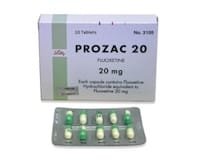
    Walking into a doctor’s office to discuss medication can feel like stepping into a thick fog. You might wonder if a small pill can truly shift the heavy weight of depression or the repetitive loops of OCD. Typically, a physician will start things on a low note, often beginning with a 20mg dose to see how your body reacts to the chemical shift.

    For those battling Major Depressive Disorder, this 20mg baseline acts as a gentle nudge to the brain’s chemistry. It is like testing the waters before diving into a deep pool. Doctors prefer to start low to minimize those pesky side effects like nausea or jitteriness that can sometimes occur during the first week of treatment.

    When it comes to Obsessive-Compulsive Disorder, the approach shifts slightly. Many patients find that the standard 20mg dose isn’t quite enough to quiet the mental noise. In these cases, the target dosage often climbs higher, sometimes reaching 40mg or even 60mg, to effectively manage the intense intrusive thoughts and ritualistic behaviors associated with the condition.

    It is not a one-size-fits-all situation, much like finding the perfect pair of shoes. Your biology is unique, and what works for your neighbor might leave you feeling quite different. This is why clinical titration—the process of adjusting the dose—is a common dance between you and your healthcare provider over several months.

    Understanding Milligram Variations

    Think of milligram strengths as different settings on a thermostat. You wouldn’t set your home to eighty degrees if you are just trying to take the chill off. Similarly, the dosage depends heavily on the specific mountain you are trying to climb, whether it is a bout of depression or the stubbornness of OCD.

    The following table illustrates how these strengths generally align with specific diagnoses. Keep in mind that your doctor will tailor this specifically to your unique physiological needs and how your liver metabolizes the medication over time.

    Condition Typical Starting Dose Common Maintenance Range
    Major Depressive Disorder 20mg 20mg – 50mg
    Obsessive-Compulsive Disorder (OCD) 20mg 20mg – 80mg

    If you find that 20mg leaves you feeling “under the weather” or simply ineffective, your doctor might suggest stepping up to 40mg. This isn’t a sign that the medicine isn’t working; it just means your brain requires a slightly higher concentration of the active ingredient to reach a therapeutic plateau.

    Some individuals may eventually require 60mg to achieve stability. This higher threshold is more common in long-term management of OCD or when someone has a particularly fast metabolism. It is a delicate balancing act, aiming for the “sweet spot” where symptoms fade but side effects remain manageable for daily life.

    The Importance of Routine and Consistency

    Consistency is the name of the game when it comes to maintaining steady blood levels. Imagine trying to keep a campfire burning by adding one tiny splinter every ten minutes versus dumping a massive log on it once every six hours. The steady trickle is much more efficient for maintaining a constant, even temperature.

    Taking your pill at the same time each day helps prevent the “rollercoaster effect” in your bloodstream. When you skip days or take them at erratic hours, your levels can dip below the therapeutic threshold. This inconsistency can trigger a return of symptoms, making it feel like you are back at square one.

    Furthermore, skipping doses can lead to what many call “discontinuation syndrome.” While not as severe as some other medications, suddenly stopping or missing too many doses can cause dizziness, irritability, or “brain zaps.” It is vital to treat your schedule as a sacred commitment to your own mental stability.

    If you do miss a dose, don’t try to “double up” to catch up. That is like trying to drink two gallons of water at once because you missed your morning glass; it’s just going to cause discomfort. Simply take the missed dose when you remember, or wait until your next scheduled time.

    • Steady Levels: Avoids the peaks and valleys of mood swings.
    • Avoid Side Effects: Consistent dosing helps the body adapt more smoothly.
    • Prevent Withdrawal: Reduces the risk of “brain zaps” or sudden irritability.
    • Predictability: Helps you build a habit that requires less conscious effort.

    Comparing Prozac with Other SSRIs

    Choosing between different Selective Serotonin Reuptake Inhibitors is a bit like picking a car. One might be a sturdy truck, while another is a sleek sports car. They all get you to your destination, but the ride feels entirely different depending on how your unique biology reacts to the engine under the hood.

    Prozac, or fluoxetine, stands out in the crowded marketplace of antidepressants because of its unique “long tail.” While many other medications leave your system quickly, fluoxetine lingers in the bloodstream for a much longer duration. This extended presence creates a biological cushion that many patients find incredibly helpful for their daily stability.

    This long half-life means that if you accidentally skip a dose on a busy Tuesday, you likely won’t feel the immediate drop in mood. Other SSRIs like Zoloft or Lexapro have much shorter half-lives, meaning they exit the system faster. For those who struggle with a strict routine, this “forgiveness” can be a lifesaver.

    However, this benefit is a double-edged sword. Because the drug stays in your system so long, it can take much longer to clear out if you decide to switch medications. You can’t just “wash it out” overnight like you might with other options. It requires a patient, measured approach when transitioning to a new treatment plan.

    Energy and Side Effect Profiles

    One of the biggest debates in psychiatric care is whether a medication will make you feel like a coiled spring or a heavy blanket. Some people find that Lexapro makes them feel incredibly sleepy, as if they are moving through molasses. This sedation can make getting out of bed in the morning feel like an uphill battle.

    Prozac often leans in the opposite direction, acting somewhat more “activating” or energizing. For someone struggling with lethargic depression, this can be a godsend. It provides a gentle nudge to get moving, rather than dragging you down into a midday slump. It is a subtle difference, but one that can change your entire day.

    Weight gain is another significant factor that people weigh heavily. While some SSRIs are notorious for increasing appetite or slowing metabolism, fluoxetine is often considered more “weight neutral.” Many patients find they don’t experience the same dramatic shifts in appetite that they might encounter with other options on the shelf.

    The nuance lies in how your specific body processes these chemicals. While one person might feel jittery on Prozac, another might find it perfectly balanced. It is a delicate dance between managing your mood and managing your physical comfort, and finding that equilibrium is the ultimate goal for long-term success.

    Transitions and Success Rates

    It is quite common for patients to cycle through several medications before finding “the one.” Sometimes, a patient might try Zoloft or Paxil, only to find that the side effects are too heavy or the efficacy is lacking. When other drugs fail to hit the mark, Prozac is often the next logical step in the journey.

    This transition often happens because of the medication’s stability. If a patient has been “rebounding” from side effects or mood swings with shorter-acting drugs, the steady, slow-release nature of fluoxetine can provide the anchor they need. It is the “safety net” that many clinicians reach for when things get complicated.

    The following table compares some common monthly costs for different prescription assistance levels and generic options to help you plan your budget.

    Plan Type Average Monthly Cost Coverage Terms
    Generic Prescription $15 Standard pharmacy co-pay
    Brand Name Option $45 Requires specific authorization
    Insurance Tier 1 $10 Low copay for common SSRIs
    Insurance Tier 2 $35 Higher copay for specialty brands

    Ultimately, the decision isn’t just about which pill is “stronger.” It is about which pill fits into the rhythm of your life without causing unexpected turbulence. Whether it is the energy it provides or the way it handles a missed dose, Prozac offers a unique profile in the world of mental health.

    Estimated Costs and Price Breakdowns in USD

    Navigating the financial landscape of mental health care can feel like walking through a maze without a map. When you first step into a pharmacy, the price tag on the box might come as a shock. It is important to distinguish between the brand name Prozac and its generic counterpart, fluoxetine, which can significantly impact your wallet.

    Generic fluoxetine is the heavy lifter for those watching their budget. You can often find these generic tablets for a fraction of the cost of the brand name. In many cases, a month’s supply of the generic version might only cost you between $4 and $15 at most local pharmacies. It is a small price to pay for stability.

    On the other hand, the brand name Prozac often carries a premium. If you insist on the original manufacturer’s label, you might see costs climb much higher. Without insurance, you could be looking at $40 to $80 or more for a single month’s supply. For many, the choice comes down to whether the name on the bottle matters more than the balance in their bank account.

    The Impact of Quantity and Pharmacy Selection

    The way you order your medication can act as a secret lever to lower your expenses. Many patients find that ordering a 90-day supply is much more economical than sticking to a 30-day routine. It is a “buy in bulk” strategy that works remarkably well for long-term treatments like this one.

    When you opt for a 90-day supply, the cost per pill often drops significantly. While a 30-day supply might cost you $15, a 90-day supply might only cost you $35 or $40. It saves you multiple trips to the counter and, more importantly, it saves you hard-earned cash over the course of a year. It is a simple bit of math that pays off.

    Where you choose to shop also makes a world of difference. Retail pharmacies like CVS or Walgreens are incredibly convenient, but you often pay for that convenience through higher prices. They are the “corner store” of the medical world—reliable, but rarely the cheapest option if you are looking to save a few bucks.

    Online pharmacies have become a game-changer for many people. These digital providers often have much lower overhead, allowing them to pass those savings onto you. You might find that an online mail-order service can slash your costs by nearly half. Just ensure you are using a reputable, verified service to avoid any shady business.

    Insurance, Copays, and Hidden Expenses

    Insurance coverage is the wild card that can either save your budget or blow it wide open. Depending on your specific plan, your copay for fluoxetine might be as low as $5. However, if your insurer classifies the drug under a higher tier, you might find yourself paying much more out of pocket.

    It is vital to check your formulary before you head to the pharmacy counter. Some plans are incredibly generous with SSRIs, while others make you jump through hoops to get coverage. “Prior authorization” is a term you will likely encounter; it means your doctor has to prove you truly need this specific medication before the insurance company will chip in.

    Beyond the cost of the pills themselves, there are the “hidden” costs that people often overlook. Getting a new prescription isn’t as simple as just picking up a bottle. You have to account for the physician consultation fees that come with the initial diagnosis and the subsequent follow-up appointments. These doctor visits can add up quickly.

    A single office visit might cost anywhere from $50 to $150 depending on your provider and location. If you are starting a new treatment, you might need multiple visits to fine-tune your dosage. When you add those professional fees to the pharmacy bill, the total “cost of entry” for mental health care can feel quite steep indeed.

    Evaluating Online Pharmacies and Shipping Safety

    Shopping for medication online can feel like walking a tightrope over a canyon. The convenience of a click is alluring, but the digital landscape is also littered with wolves in sheep’s clothing. You want the medicine to arrive at your door, not a box of counterfeit pills that could do more harm than good.

    The first thing to look for is the “too good to be true” factor. If a website offers Prozac at a price that seems like a total steal—say, $2 for a bottle that usually costs $40—your internal alarm should be screaming. These bottom-barrel prices are often bait for a trap that leads to nothing but empty boxes.

    Beware of sites that demand payment via untraceable methods like wire transfers or gift cards. Legitimate businesses want a paper trail. If a site refuses to take standard credit cards or PayPal, they are likely trying to hide from the law. It is a classic red flag that screams “run the other way” immediately.

    Another massive red flag is the lack of a physical address or a verifiable phone number. If you can’t find a way to talk to a human being, you are essentially throwing your money into a black hole. A real pharmacy is a brick-and-mortar establishment at its core, even if their primary storefront is a website.

    Verifying Accreditation and Legitimacy

    Don’t take a website’s word for it when they claim to be “certified.” In the digital age, anyone can slap a gold seal on a webpage to look professional. You need to go straight to the source to verify that the pharmacy is actually playing by the rules set by medical authorities.

    Look specifically for the VIPPS (Verified Internet Pharmacy Practice Sites) seal. This is the gold standard for online legitimacy. If a pharmacy isn’t listed on the National Association of Boards of Pharmacy website, you are essentially playing Russian roulette with your health. It is better to be safe than sorry.

    Checking for a valid license in your specific state is another crucial step. Most reputable pharmacies will clearly display their license number in the footer of their website. If they are being cagey about their credentials, they are likely operating in the shadows, dodging the regulations that keep us all safe.

    Think of accreditation as a background check for your medicine. You wouldn’t hire a contractor without checking their references, so why would you trust a stranger with your brain chemistry? Taking five minutes to verify a pharmacy’s credentials can save you from a nightmare of medical complications.

    Shipping Timelines and Privacy Protocols

    When you finally pull the trigger on an order, the waiting game begins. For domestic shipments within the United States, you can typically expect your medication to arrive within 3 to 7 business days. It is a relatively quick process if the pharmacy is well-stocked and the logistics are running smoothly.

    International orders are a different beast entirely. If you are sourcing medication from overseas, prepare for a much longer wait, often spanning two to four weeks. You also have to contend with the whims of customs officials, which can add unpredictable delays to your timeline. Patience is a virtue here.

    Privacy is a major concern for many when ordering SSRIs. You might not want your neighbor or a roommate seeing a bright orange bottle with “Prozac” written in bold letters on the porch. Most legitimate online pharmacies offer “discreet shipping” as a standard service to protect your privacy.

    This means the outer packaging should be plain and unmarked. There shouldn’t be any mention of the contents or the pharmacy’s name on the shipping label. If a site offers this, it’s a sign they understand the sensitive nature of mental health care and respect your need for confidentiality.

    When evaluating your shipping options, keep this quick reference table in mind:

    Shipping Type Estimated Time Privacy Level
    Domestic (Standard) 3 – 7 Days High (Discreet)
    Domestic (Express) 1 – 3 Days High (Discreet)
    International 14 – 30+ Days Variable

    The Danger of “No Prescription” Websites

    It is incredibly tempting to look for a shortcut. You might stumble upon a website that promises to ship Prozac without a prescription, claiming it is “just a supplement.” This is a dangerous lie. Prescription medication requires a doctor’s oversight to ensure the dosage is safe for your specific physiology.

    Purchasing from these unverified “no prescription” sites is like buying a car from a stranger in a dark alley. You have no guarantee of what is actually inside the package. It could be chalk, it could be a different, more dangerous drug, or it could be nothing at all. The risk is simply too high.

    Beyond the physical risk, these sites are often fronts for identity theft. Once you hand over your credit card number and personal details, you have effectively given a criminal the keys to your bank account. They won’t just take your $50; they will take everything they can find.

    If a site tells you that you don’t need a doctor to get Prozac, they are not just being “convenient”—they are being illegal. Cutting corners on medical advice is a recipe for disaster. Always stick to the traditional, legal route of obtaining a prescription to ensure your safety and peace of mind.

    Managing Potential Side Effects and Interactions

    Starting a new medication can feel like navigating a ship through a sudden fog. For many, the first few weeks involve a bit of a “rough patch” as the body learns to dance with the new chemical balance. It is not uncommon to feel a little off-kilter while your system recalibrates to the fluoxetine.

    Nausea is often the first uninvited guest to arrive at the party. You might feel a slight queasiness or an upset stomach shortly after taking your dose. Similarly, some users report feeling “wired,” experiencing jitters or a restless energy that makes it difficult to settle down for the night. It is like having one too many espressos on an empty stomach.

    Sleep disturbances can also throw a wrench in your routine. Insomnia is a common culprit, turning your quiet nighttime hours into a period of tossing and turning. While these hiccups are often temporary, they can be incredibly frustrating when you are already dealing with the weight of depression or anxiety. Hang in there; the fog usually lifts.

    Keep a simple log of these sensations. Noting when they occur and how long they last can be a lifesaver during a consultation. Instead of saying, “I feel weird,” you can tell your doctor, “I experienced nausea about thirty minutes after my morning dose for three days straight.” Precision is your best friend in the doctor’s office.

    Navigating Dangerous Combinations

    Mixing medications is like playing a high-stakes game of Jenga; one wrong move can bring the whole tower crashing down. You must be extremely cautious about what else you put into your body. Certain combinations can lead to a rare but life-threatening condition called serotonin syndrome, which is a medical emergency.

    The most significant red flag involves Monoamine Oxidase Inhibitors, or MAOIs. These are older types of antidepressants that act like a heavy lock on your brain’s chemical gates. Using Prozac alongside an MAOI is a recipe for disaster. If you have recently switched medications, ensure there is a significant “washout period” to keep you safe.

    Non-Steroidal Anti-Inflammatory Drugs, commonly known as NSAIDs, like ibuprofen or aspirin, also require a watchful eye. Taking these frequently while on fluoxetine can increase your risk of bleeding in the upper gastrointestinal tract. If you are a regular coffee drinker or a smoker, this risk may climb even higher, so tread carefully.

    Always treat your pharmacist as your primary defense. They are the gatekeepers of safety and can spot a dangerous interaction before you even leave the pharmacy counter. If you are considering over-the-counter pain relief, a quick phone call to the clinic can save you a world of trouble.

    Alcohol and Lifestyle Adjustments

    When it comes to alcohol, the general rule of thumb is to proceed with extreme caution. While a single glass of wine might seem harmless, Prozac can change how your body processes alcohol. You might find that one drink hits you with the force of three, or it might trigger unexpected bouts of drowsiness.

    Alcohol is a depressant by nature, which means it essentially works against the very purpose of your medication. It is like trying to bail water out of a leaking boat while simultaneously drilling more holes in the bottom. If you find that drinking makes your mood swing wildly, it might be time to take a break.

    Furthermore, alcohol can exacerbate the side effects like dizziness or drowsiness that some people experience during the initial adjustment phase. It is best to avoid heavy drinking altogether until you know exactly how this medication affects your personal chemistry. You want to be in control of your recovery, not the other way around.

    If you find yourself struggling to maintain sobriety while on medication, do not suffer in silence. This is a common hurdle and a vital part of the healing process. Discussing your relationship with alcohol with your provider is not a sign of failure; it is a proactive step toward long-term stability.

    When to Call the Professional

    Monitoring your mental state is just as important as watching for physical symptoms. While mild side effects are expected, certain “red flags” demand immediate attention. If you notice a sudden, sharp increase in suicidal thoughts or an intense surge of agitation, do not wait for your next scheduled appointment.

    Watch out for these specific warning signs:

    • Sudden, intense changes in mood or energy levels.
    • Rashes, hives, or any signs of an allergic reaction.
    • Seizures or tremors that feel out of the ordinary.
    • Confusion or rapid heart rate that doesn’t subside.

    Physical symptoms can sometimes be deceptive. If you experience severe headaches, vision changes, or extreme muscle stiffness, reach out to your healthcare provider immediately. It is always better to have a “false alarm” than to ignore a signal that your body is sending you. Your safety is the ultimate priority.

    Communication is the bridge between managing side effects and mastering your health. If you feel like the medication is “not working” or is “making things worse,” speak up. Your doctor can adjust your dosage or switch your prescription to something that fits your unique biology more effectively.

    The Process of Switching or Tapering Medication

    Imagine trying to turn off a massive freight train by simply pulling the plug on the engine. That is essentially what happens when someone decides to stop taking Prozac “cold turkey.” Suddenly, the chemical equilibrium your brain has worked so hard to establish is thrown into complete chaos, often leading to a jarring rebound of symptoms.

    Abruptly stopping your dose can trigger discontinuation syndrome, a rollercoaster of physical and emotional turbulence. You might face dizziness, “brain zaps” that feel like tiny electric shocks, or intense irritability. It is a chaotic way to treat your nervous system, and it can make the very symptoms you are fighting feel much more aggressive than before.

    Rather than jumping off a cliff, think of your medication adjustment as a slow, controlled descent. A gradual reduction allows your brain to recalibrate its natural neurotransmitter levels. This patience ensures that you don’t lose the progress you have made in your mental health journey during the transition period.

    Because fluoxetine has an exceptionally long half-life, it lingers in your system much longer than other antidepressants. This “built-in buffer” can sometimes make the process feel smoother, but it can also mask how you are actually reacting to changes. Never attempt to navigate these waters without a professional guide to watch your course.

    Navigating the Transition Period

    When your doctor decides it is time to move from Prozac to a different antidepressant, they will likely utilize a technique called cross-tapering. This isn’t a simple “out with the old, in with the new” swap. Instead, it is a delicate dance where you slowly decrease the Prozac while simultaneously introducing the new medication.

    This overlapping method helps prevent a “gap” in therapeutic coverage. By maintaining a certain level of medication in your bloodstream, you provide a safety net that keeps your mood from plummeting. It is a strategic way to bridge the gap between two different chemical approaches to your mental well-being.

    The timing of this transition is highly personal. Some people might require weeks of overlapping, while others might move through the stages more quickly. Your provider will tailor the schedule specifically to your history, ensuring that the shift is as seamless as possible to avoid significant psychological distress or physical discomfort.

    During this phase, it is vital to keep a detailed journal of your daily experiences. Note any shifts in sleep patterns, appetite, or mood stability. This data becomes a roadmap for your doctor, helping them decide whether to speed up or slow down the tapering process based on your real-world feedback.

    Managing Expectations and Progress

    Patience is the name of the game when you start a new regimen. It is a common misconception that you will feel like a brand-new person after the first pill. In reality, it can take several weeks, sometimes even six to eight weeks, to feel the full therapeutic effect of a new dose or medication.

    The first few weeks are often a “wait and see” period. You might feel some initial side effects before the benefits actually kick in, which can be incredibly frustrating. It is like waiting for a seed to sprout; you are doing the work underground, but the visible results take time to emerge from the soil.

    As you monitor your progress, look for subtle shifts rather than sudden transformations. You might notice you aren’t as easily overwhelmed by small tasks, or perhaps your sleep feels slightly more restorative. These small victories are the true indicators that the medication is beginning to find its footing in your biology.

    If you feel like you are spinning your wheels after a month, do not assume the medication is a failure. Sometimes, the “sweet spot” for your dosage requires a few adjustments to find. Always keep your provider in the loop so they can help you distinguish between temporary adjustment pains and a lack of efficacy.

    Professional Guidance and Safety

    Managing your dosage is not a DIY project. Attempting to self-adjust your pills to save money or “test the waters” is dangerous. A medical professional acts as your navigator, ensuring that every step taken is backed by clinical reasoning and a deep understanding of how these chemicals interact with your unique physiology.

    A doctor will help you create a structured plan that minimizes the risk of relapse or withdrawal. This often involves a strict schedule of dose reductions. They will also be able to differentiate between a side effect of the tapering process and a return of your original condition, which is a vital distinction.

    If you find the cost of your medication or the frequent doctor visits are becoming a burden, please discuss this openly with your healthcare provider. There are many ways to manage costs, such as generic options or assistance programs, but you must never sacrifice your safety for your wallet. Your health is worth more than any $50 co-pay.

    Ultimately, the goal is stability. The process of switching or tapering is a marathon, not a sprint. By following a professional’s lead and respecting the biological timeline of your brain, you increase your chances of a successful transition and a more stable, vibrant life.
  • Buy Tretinoin Gel Online for Best Prices

    Tretinoin CGel

    Buy Tretinoin Gel Online for Best Prices

    Mastering the Application of Retinoid Gel

    Think of tretinoin as a biological architect for your complexion. It works deep within the skin’s layers to accelerate cellular turnover. Instead of old, dead cells lingering on the surface like unwanted debris, this retinoid nudges them out to make way for fresh, healthy skin cells.

    When it comes to acne, this process is a game-changer. By speeding up how quickly cells move, it prevents pores from becoming clogged with sebum and debris. It essentially keeps the traffic flowing within your skin, preventing the congestion that leads to painful breakouts.

    For those battling fine lines or sun damage, the mechanism is equally impressive. It helps smooth out the rough texture and wrinkles caused by UV rays. By stimulating collagen production and shedding the damaged top layer, your skin begins to look significantly more youthful and even-toned.

    However, using this gel is not as simple as slapping it on like a moisturizer. You must treat it with a certain level of respect. If you approach it too aggressively, you might find yourself dealing with more irritation than actual improvement in your skin texture.

    The Evening Ritual

    Timing is everything when you are working with a potent retinoid. You should apply the gel once daily at bedtime. Your skin undergoes its most intense repair work while you sleep, making the nighttime hours the perfect window for this active ingredient.

    Start with a pea-sized amount for your entire face. It sounds like a small amount, but more is definitely not better. Using too much is a one-way ticket to redness and peeling. Think of it as a delicate veil rather than a thick mask.

    Before applying, ensure your skin is completely dry. Applying tretinoin to damp skin can cause the medication to absorb too quickly, which often leads to unnecessary irritation. It is better to play it safe and wait a few minutes after washing your face.

    Consistency is the name of the game here. You cannot skip nights and expect immediate results. While it might feel like a slow climb up a mountain, sticking to your nightly routine is the only way to see the real magic happen.

    Precautions and Safety

    There are certain “no-go” zones when applying this medication. You must avoid applying the gel to skin that is cut, scraped, or sunburned. Doing so can cause intense stinging and may even exacerbate the underlying skin damage you are trying to fix.

    If you have eczema-affected or highly sensitive areas, be extra cautious. It is often wise to avoid the delicate skin around the corners of the nose and the lips, as these areas tend to be much more prone to dryness and cracking when starting a retinoid.

    If you do experience significant redness or peeling, do not panic immediately. This is often part of the “retinization” process. However, if your skin feels raw or painful, it is time to scale back your application or consult a professional.

    Always remember that this is a prescription-strength tool. It is meant for external use only. Never ingest this medication, as it is designed strictly for topical application to the skin’s surface to achieve its intended dermatological effects.

    The Waiting Game

    Patience is a virtue, especially when your skin is in transition. You might notice an initial “purging” phase where acne seems to get slightly worse before it gets better. This is just the gel working its way through existing clogs deep within your pores.

    How long does it take to see results? It is rarely an overnight transformation. While some see subtle changes in texture within a few weeks, true clearance of acne and significant reduction in fine lines often takes several months of dedicated use.

    It is easy to get discouraged when you don’t see a mirror-smooth complexion after two weeks. Keep your eyes on the long-term goal. Think of it as an investment in your skin’s future rather than a quick fix for today’s blemishes.

    Because of the way skin cells cycle, you are essentially waiting for new cells to rise to the surface. Stick with the program, keep your skin hydrated, and the visible improvements will eventually follow your persistence.

    Product Type Primary Use Typical Cost Range
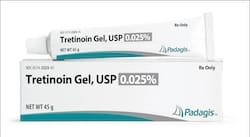
    Tretinoin 0.025% Gel Acne & Fine Lines $15 – $40
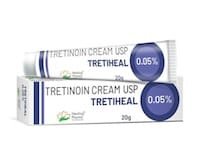
    Tretinoin 0.05% Gel Acne & Texture $20 – $50

    Choosing the right strength is like picking the right speed for a long road trip. If you start too fast, you might crash and burn, leaving your skin red and peeling. If you go too slow, you might never reach your destination. Finding that “Goldilocks” zone requires understanding the subtle differences between the available potencies.

    The concentration you select dictates how your skin reacts to the active ingredient. While it might be tempting to grab the strongest tube on the shelf to see results faster, your skin’s barrier might not be ready for such a sudden shock. It is a marathon, not a sprint, and your complexion needs time to adapt.

    Think of your skin as a garden. You wouldn’t dump a gallon of concentrated fertilizer on a tiny sprout in a single afternoon. Instead, you would introduce nutrients gradually to encourage healthy, steady growth. The same logic applies to how you introduce tretinoin into your nightly skincare regimen.

    Many people find success by starting with the 0.01% concentration. This ultra-mild version acts as a gentle introduction to the world of retinoids. It is a fantastic way to “test the waters” without sending your face into a state of emergency. It helps your skin build tolerance before moving on to heavier hitters.

    The Spectrum of Potency

    When we talk about 0.025%, we are entering the territory of the most common prescription standard. This strength is a workhorse for many, striking a balance between effectiveness and tolerability. It is often the first “real” step up for those who have mastered the art of the 0.01% application.

    Then there is the 0.05% concentration, which is the heavy lifter. This is typically reserved for those who have already developed a seasoned tolerance or those whose skin is particularly resilient. It is powerful, effective, and requires a very disciplined approach to application to avoid significant irritation.

    Your choice ultimately depends on your primary skin goal. If you are battling stubborn acne, a higher concentration might be the key to clearing those pesky blemishes. However, if you are looking to smooth out fine lines or sun damage, you might find that a moderate strength works wonders without the drama.

    For those dealing with sun-damaged fine lines, the goal is collagen stimulation. For acne, the goal is pore regulation. Understanding this nuance helps you decide whether to prioritize the intensity of the active ingredient or the stability of your skin’s moisture barrier.

    The following table provides a general overview of how these different strengths often compare in terms of typical market costs and primary use cases.

    Strength Level Primary Skin Goal Estimated Cost
    0.01% Gel Acne & Sensitivity $15 – $30
    0.025% Gel Acne & Fine Lines $20 – $45
    0.05% Gel Deep Wrinkles & Texture $30 – $60

    Prescription vs. Over-the-Counter

    The line between prescription-strength and over-the-counter options can feel blurry. While many retailers sell tretinoin, most high-potency gels are strictly available by prescription only. This ensures that a medical professional has vetted your skin’s readiness for such a potent, active ingredient.

    Prescription options offer a direct route to the specific concentrations mentioned earlier. Because they are regulated, you can be certain of the exact potency you are applying to your face. This precision is vital when you are trying to balance efficacy with the risk of irritation.

    Over-the-counter alternatives often fall into the category of “retinoids” rather than pure tretinoin. While they are wonderful for maintenance and gentle aging prevention, they may not have the same “punch” required to treat moderate to severe acne. It is a trade-off between convenience and raw power.

    Always listen to your skin’s feedback. If you find that you are constantly fighting redness despite using a lower concentration, you may need to step back. There is no shame in staying at a lower strength for longer to ensure your skin barrier remains intact and healthy.

    Cost Analysis and Savings Strategies

    Navigating the financial side of skincare can feel like trying to solve a puzzle without the picture on the box. You want the best results for your complexion, but you also don’t want to break the bank every month. Understanding the price gap between different versions of tretinoin is essential for long-term consistency.

    Generic versions of tretinoin gel are often the “secret weapon” for budget-conscious enthusiasts. These formulations provide the same active ingredient at a fraction of the cost of premium brands. You might find generic tubes ranging from $15 to $45 depending on the concentration and the pharmacy you choose to visit.

    On the other hand, brand-name options carry a significant premium. These often come with specialized packaging or specific formulations designed for certain skin types. While they work effectively, the price tag can jump significantly higher than the generic alternatives you might find at a local pharmacy or online.

    It is a classic case of “you get what you pay for,” but in the world of dermatological topicals, the generic is often a very close second. Many patients find that the generic route allows them to stay consistent with their nightly routine without feeling the pinch in their monthly budget.

    Comparing Obagi and Generic Formulations

    When you look at a brand like Obagi, you are paying for a specific level of refinement. Obagi tretinoin formulations are famously fragrance-free, which is a massive win for those with highly sensitive or reactive skin. This attention to detail helps minimize the dreaded “retinoid purge” or excessive dryness.

    However, that luxury comes with a hefty price tag. An Obagi gel might cost you several times more than a standard generic gel from a major pharmacy chain. For some, the peace of mind regarding ingredient purity is worth every extra penny spent at the checkout counter.

    If you have resilient skin that doesn’t mind a few extra stabilizers or a different base, the generic route is incredibly efficient. You are essentially paying for the same active molecule. It is like choosing between a designer shirt and a high-quality staple; both cover you, but one is a status symbol.

    Ultimately, the choice between Obagi and a generic comes down to your skin’s tolerance. If a generic causes redness or peeling, the premium formulation might be a necessary investment. If the generic works like a charm, you can save a significant amount of money over the years.

    Maximizing Savings with Coupons

    Don’t let the sticker price scare you off before you’ve even started your journey. There are several “hacks” to bring those costs down significantly. Using digital coupons can often turn an expensive prescription into a much more manageable monthly expense for the average person.

    Platforms like GoodRx are absolute lifesavers in the world of skincare. By simply searching for your specific prescription, you can find local pharmacies that offer deep discounts. Sometimes, the price drops by half or even more just by showing a digital coupon on your smartphone at the pharmacy counter.

    It is worth taking a few minutes to compare different providers. One pharmacy might be the “expensive” option, while the one just two blocks away offers a massive discount through a savings platform. It is a bit of legwork, but it pays off in the long run.

    • Check GoodRx for real-time local pricing.
    • Ask your pharmacist about manufacturer coupons.
    • Compare prices between big-box retailers and local independents.
    • Inquire about generic substitution to save immediately.

    Long-Term Value and Volume

    When you are standing in the aisle, it is tempting to grab the smallest tube just to see if you like the product. However, buying in bulk or choosing larger volumes can often be the smarter financial move. It is all about the “cost per ounce” in the end.

    A small 15ml tube might seem cheap upfront, but you might find yourself refilling it every few weeks. A larger 30ml tube might cost more initially, but it can last you twice as long. This reduces the number of trips to the pharmacy and lowers your overall annual spending.

    Consider your application method to make your supply last longer. Using a pea-sized amount for the entire face is the golden rule. If you start slathering it on like moisturizer, you will burn through your expensive gel in no time, making even the cheapest option feel like a luxury.

    Think of your skincare budget like a long-term investment. By choosing the right volume and using the right amount, you ensure that your journey toward clear skin is both effective and economically sustainable. Consistency is king, and you can’t be consistent if you’re constantly running low on product.

    Managing Common Side Effects and Skin Sensitivity

    Starting a tretinoin gel regimen is a bit like training for a marathon; your skin needs time to build up its stamina. It is not uncommon to encounter a period of “purging,” where existing congestion rises to the surface. You might notice a sudden flare-up of acne or unexpected texture changes as your skin cells turn over more rapidly.

    Beyond the initial purge, physical irritation is the most frequent visitor. Many users report significant dryness, flaky peeling, and localized redness. These symptoms occur because the medication accelerates cellular turnover, often leaving your natural moisture barrier temporarily vulnerable. It can feel as though your skin is shedding its old self to make room for the new.

    If your face feels tight or starts to sting like a mild sunburn, don’t panic immediately. This is often the skin’s way of signaling that the concentration might be a bit too aggressive for your current routine. It is a delicate dance between achieving results and maintaining a healthy, comfortable skin barrier throughout the process.

    If you find yourself looking in the mirror and seeing more irritation than improvement, consider these practical steps to mitigate the discomfort:

    • The Sandwich Method: Apply a gentle moisturizer first, then your tretinoin gel, and finish with another layer of moisturizer.
    • Frequency Adjustment: Instead of every night, try applying the gel every second or third night until your skin adjusts.
    • Avoid Actives: Temporarily skip exfoliating acids like AHA or BHA while your skin is in its sensitive phase.
    • Skip the Sensitive Spots: Avoid applying the gel near the corners of your mouth, nose, and eyes.

    Sometimes, the “less is more” approach is the only way to win this battle. If you apply too much, you aren’t getting better results; you’re just inviting a red, angry complexion. Think of it as a slow burn rather than a wildfire; you want steady progress, not a sudden chemical burn.

    The Non-Negotiable Role of Sun Protection

    If there is one golden rule in the world of retinoids, it is this: you must wear sunscreen every single day. Tretinoin makes your skin incredibly sensitive to ultraviolet rays. Using this medication without protecting yourself is like walking out into a desert without a hat; you are essentially inviting sun damage to undo all your hard work.

    Even if you only apply your gel at bedtime, the sun’s rays can still impact your newly sensitized skin the following morning. Sun exposure can exacerbate redness and may even lead to hyperpigmentation, which is the exact opposite of what you want when treating dark spots. It is a vital part of the equation.

    I always tell my friends that a high-quality SPF is just as important as the prescription itself. A broad-spectrum sunscreen with at least SPF 30 is the bare minimum for daily protection. Think of your sunscreen as the shield that protects your investment in your skincare routine.

    When shopping for sun protection, remember that price doesn’t always dictate performance, but consistency does. You can find excellent options at various price points, from $15 to $50 or more. Whatever you choose, make sure it is a formula you actually enjoy wearing, so you don’t skip a day.

    Knowing When to Call the Professional

    While a little peeling is part of the deal, there is a very thin line between “adjusting” and “injury.” You should never apply tretinoin to skin that is already cut, scraped, or severely sunburned. If your skin feels like it is on fire or shows signs of weeping, it is time to pause.

    It is crucial to monitor how your skin reacts to the medication. While redness is common, intense swelling, blistering, or extreme itching are red flags that require immediate medical attention. You shouldn’t try to “tough it out” if your skin is showing signs of a genuine allergic reaction or a chemical burn.

    If you notice persistent hives or a rash that doesn’t subside even after you stop using the product, reach out to your dermatologist. They can determine if you need a lower concentration or perhaps a different delivery method. Your safety is far more important than a quick fix for acne.

    Symptom Type What to Do When to Worry
    Mild Peeling Use extra moisturizer If skin becomes raw
    Mild Redness Reduce application frequency If skin feels hot/inflamed
    Itching/Stinging Apply a “buffer” layer If it persists or causes hives

    Acquisition and Shipping Logistics

    You cannot simply grab a tube of medical-grade tretinoin gel off a grocery store shelf like you would a bottle of shampoo. Because it is a potent retinoid, it is available by prescription only. This isn’t just red tape; it is a safety measure to ensure your skin is monitored during the initial, often bumpy, adjustment period.

    Navigating the medical landscape can feel like a labyrinth. You will need to consult with a healthcare provider, such as a dermatologist, to confirm that this medication is appropriate for your skin concerns. They will assess whether you are treating acne, fine lines, or sun damage before officially signing off on the order.

    Once you have your prescription in hand, the real logistics begin. You might find yourself choosing between a traditional local pharmacy or a modern online provider. Each route has its own set of rules, but the common thread is that a valid doctor’s order is the golden ticket for every single transaction.

    If you are looking for budget-friendly options, it is worth checking sites like GoodRx. Prices can vary wildly depending on your insurance and the specific brand. Some patients find relief with generic versions that can cost much less than the name-brand alternatives, making the treatment much more sustainable long-term.

    Ordering Through Reputable Online Channels

    The digital age has made getting your skincare much easier, but don’t go chasing shadows in the dark corners of the internet. When ordering through online pharmacies, stick to those that require a prescription and have a clear, verifiable physical address. A legitimate digital pharmacy should feel as professional as a brick-and-mortar shop.

    I once knew someone who tried to save a few bucks by buying from a suspicious vendor on a social media ad. They ended up with a bottle that was essentially useless water. It is vital to use reputable retailers that clearly state their credentials and offer customer support that actually answers the phone.

    When browsing online, keep an eye on the price-to-value ratio. If a vendor is offering a high-strength gel for $5 when the market average is closer to $35, your “bargain” might actually be a counterfeit. It is better to pay a fair price for peace of mind than to gamble with your face.

    Always look for “verified” badges or pharmacy accreditation seals. Many reputable online platforms integrate directly with your doctor’s office, streamlining the whole process. This seamless connection ensures that the medication you receive is exactly what your physician intended for your specific skin type.

    Temperature Control and Shipping Realities

    Tretinoin is a bit of a diva when it comes to its environment. It is highly sensitive to heat and light, which means the way it travels from the warehouse to your doorstep matters immensely. If a package sits in a hot delivery truck for three days, the active ingredients might lose their punch.

    When you are selecting a shipping method, ask if the retailer uses temperature-controlled packaging. While not always strictly required for every shipment, it is a sign of a high-quality provider. You want your gel arriving in a stable state, ready to work its magic without having been “cooked” in transit.

    If you live in a particularly hot climate, you might consider having your order shipped during the cooler months. It sounds a bit extreme, but it is a practical way to ensure the integrity of your medication. Once the gel is delivered, keep it in a cool, dark place—not necessarily the fridge, but away from the sun.

    Keep an eye on your tracking information closely. If you see a delay in your shipment, be prepared to contact the vendor. Receiving a warm, melted, or discolored product is a sign that the chemical stability has been compromised, and you should probably ask for a replacement immediately.

    Verifying Product Authenticity

    In a world of “dupes” and knock-offs, verifying your skincare is a non-negotiable skill. When your package arrives, the first thing you should do is inspect the packaging for any signs of tampering. The seal should be intact, and the printing should be crisp and professional, not blurry or misspelled.

    Check the expiration date and the lot number on the tube. If the information looks smudged or is missing entirely, treat it as a major red flag. Authentic medical-grade products are held to incredibly high manufacturing standards that scammers often fail to meet in their rush to ship.

    You can also compare the packaging to images on the manufacturer’s official website. If the colors, font, or shape of the tube look even slightly “off,” do not apply it to your skin. It is better to spend a little extra time verifying than to deal with a chemical reaction from an impure substance.

    If you are ever in doubt, call the manufacturer directly. Most reputable companies have a department dedicated to quality control and can help you determine if your specific bottle is part of a legitimate batch. Protecting your skin barrier starts with knowing exactly what you are putting on it.

    Verification Step What to Look For Action if Suspicious
    Packaging Integrity Unbroken seal and crisp text Contact vendor immediately
    Expiration Date Clear, legible, and valid Do not use the product
    Physical Appearance Consistent texture and color Consult a dermatologist

    Comparing Gel, Cream, and Serum Delivery Methods

    Choosing the right vehicle for your tretinoin can feel like navigating a minefield of textures and sensations. It is not just about the strength of the retinoid, but how that medicine actually meets your skin cells. Some people find the cooling sensation of a gel refreshing, while others find it a bit too aggressive for their delicate complexion.

    If you are dealing with stubborn acne, a gel might be your best friend. Because gels are typically water-based, they tend to absorb much faster than their cream counterparts. This rapid penetration means the active ingredient gets to work quickly, but it can also lead to a bit of a “sting” if your skin isn’t ready for the sudden arrival.

    On the flip side, creams act like a cozy blanket for your face. They are formulated with oils and emollients that slow down the absorption process. This gradual release is often much kinder to the skin barrier, making it a favorite for those who struggle with the dreaded “retinoid purge” or intense dryness during the initial weeks of use.

    Think of it as a race versus a slow walk. The gel is a sprinter, hitting the skin hard and fast, which is great for oily skin types. The cream is a marathon runner, pacing itself to ensure the skin isn’t overwhelmed. Knowing your skin’s temperament is the first step toward a successful, irritation-free regimen.

    For those with sensitive skin, the serum-based approach is often a total game-changer. Serums are lightweight, highly concentrated liquids that are designed to sink in without the heavy residue of a cream. They offer a middle ground that provides the potency of a gel but with a much more sophisticated, elegant feel on the skin.

    I remember a client who swore she could never use tretinoin because it made her skin feel like parched desert sand. Once we switched her from a heavy cream to a lightweight serum paired with a thick moisturizer, her skin finally stopped screaming. It’s all about finding that “sweet spot” where the medicine works without causing a revolt.

    If you find that your skin feels tight or starts to peel excessively, you might be dealing with a delivery method that is moving too quickly. Serums allow you to layer products more easily, which is vital for building up your tolerance. You can sandwich the serum between layers of hydration to dampen the potential for redness.

    Ultimately, the goal is consistency. If a formulation is so irritating that you skip nights, you won’t see the results you’re paying for. Using a serum can help you stay consistent by making the nightly application feel like a luxury rather than a chore or a painful necessity.

    To help you decide, consider these primary differences in how they interact with your unique skin type:

    • Gels: Ideal for oily or acne-prone skin; fast absorption; higher risk of initial dryness.
    • Creams: Best for dry or mature skin; slow absorption; provides a protective moisture barrier.
    • Serums: Great for sensitive skin; lightweight and elegant; easiest to layer with other products.

    Integrating Texture into Your Routine

    How does the product fit into your morning and evening ritual? If you are a person who likes to get in and out of the bathroom in five minutes, a gel is your best pal. It vanishes into the skin almost instantly, meaning you won’t be sitting around waiting for it to dry before applying your moisturizer.

    Creams, however, require a bit more patience. They take a moment to settle and can sometimes leave a slight sheen on the skin. If you are someone who hates the feeling of “stuff” on your face, a cream might feel a bit heavy, especially if you live in a humid environment where everything feels sticky.

    Serums are the ultimate multitaskers in a skincare lineup. Because they are so thin, they slide right under your lotions and sunscreens without pilling or balling up. This makes them a dream for anyone who has a complex, multi-step routine involving various essences and hydrating toners.

    When choosing, think about your lifestyle. If you are a night owl who prefers a heavy, nourishing routine before bed, a cream is a lovely way to end the day. If you want something efficient and quick, stick to the gels or serums to keep things moving smoothly.

    Skin Concern Recommended Format Reasoning
    Active Acne & Oily Skin Gel Rapid absorption and minimal residue
    Fine Lines & Dry Skin Cream Adds essential emollients and moisture
    Sensitivity & Layering Serum Gentle delivery and easy integration
  • Buy Tretinoin Cream Online at the Best Price

    Tretinoin Cream

    Buy Tretinoin Cream Online at the Best Price

    Mastering the Application Ritual

    Think of tretinoin as a slow dance with your skin’s biology rather than a quick fix. You wouldn’t sprint a marathon without a warm-up, so don’t expect miracles by tomorrow morning. It is a long game that requires patience and a steady hand to actually see the benefits of cellular turnover.

    Applying this potent retinoid is like handling a piece of fine china. One wrong move can crack your skin barrier. Start small. If you dive into the deep end too quickly, you might end up with a desert of dryness and peeling skin.

    The “sandwich technique” is a lifesaver for people with sensitive complexions. Apply a thin layer of moisturizer, follow it with a pea-sized amount of tretinoin, and then add another layer of moisturizer. This creates a buffer, softening the impact while still letting the active ingredients do their work.

    Consistency is your best friend here. Skipping nights might feel easier when your face feels a bit tight, but consistency is what truly transforms your complexion. You have to play by the rules if you want to see the glow everyone talks about.

    The Golden Rules of Timing

    Sunlight is the sworn enemy of tretinoin. This ingredient is notoriously photosensitive, meaning it breaks down when exposed to UV rays. If you apply it in the morning, you are essentially throwing your money down the drain and inviting sun damage.

    Always wait until the sun has tucked itself away before starting your routine. Nighttime is when your skin goes into repair mode, making it the perfect window for this heavy hitter. It is a nocturnal ritual that works while you dream of smoother skin.

    Furthermore, ensure your skin is bone-dry before application. Applying tretinoin to damp skin is like pouring gasoline on a fire; it absorbs too deeply and too quickly. This can lead to intense irritation that leaves your face feeling like a piece of sandpaper.

    Wait at least twenty minutes after washing your face before applying the cream. This ensures any residual moisture has evaporated. It might seem like a tedious wait, but it is the difference between a glowing complexion and a red, angry breakout.

    The Pea-Sized Protocol

    Less is truly more with this medication. Many people make the mistake of thinking a dollop the size of a grape will work faster. In reality, that is a recipe for a chemical burn. You only need a pea-sized amount.

    Dot the product onto your forehead, cheeks, and chin. Spread it thinly and evenly, avoiding the sensitive corners of your nose and the delicate skin around your eyes. These areas are prone to “pooling,” which can cause localized peeling and extreme redness.

    If you find yourself struggling with the texture, try mixing it with a gentle, non-active moisturizer. This dilutes the strength slightly but helps prevent the dreaded “retinoid purge.” It is better to use a little more often than a lot once a week.

    Keep track of your progress to ensure you aren’t overdoing it. If your skin feels tight, itchy, or looks shiny like plastic, you are likely over-applying. Scale back immediately and focus on hydration until your skin barrier feels sturdy again.

    Phase Frequency Primary Goal
    Acclimatization 2x per week Build tolerance
    Integration Every other night Minimize irritation
    Maintenance Nightly Maximize results

    Essential Accompaniments

    You cannot walk into a storm without an umbrella, and you shouldn’t use tretinoin without a high-quality SPF. Even if you stay indoors, the UVA rays penetrating through your windows are working against you. A daily SPF 30 or higher is non-negotiable.

    Hydration is your secret weapon. Look for ingredients like hyaluronic acid and ceramides to bolster your skin’s natural defense system. Think of these as the protective armor that allows your skin to handle the heavy lifting done by the tretinoin.

    Avoid other harsh exfoliants while you are starting out. Using salicylic acid or glycolic acid at the same time as tretinoin is like trying to sand a piece of wood with two different grits at once. It’s simply too much for the skin to handle.

    If you find yourself reaching for a soothing balm, don’t panic. It is all part of the learning curve. Just remember that a little bit of redness is normal, but actual pain or intense burning means you need to step back and breathe.

    • Use a gentle, non-foaming cleanser.
    • Apply moisturizer while skin is still slightly damp.
    • Always use a broad-spectrum sunscreen every single morning.
    • Avoid physical scrubs during the initial adjustment period.

    Navigating Concentrations and Formulations

    Deciphering the Strength Scale

    Walking into a pharmacy or browsing an online apothecary can feel like walking through a minefield. You might see 0.025%, 0.05%, and 0.1% staring back at you from the labels. These aren’t just random numbers. They are the dial settings for how aggressively your skin cells will turn over.

    Starting at the highest concentration is a rookie mistake that often ends in a fiery disaster. Think of it like jumping into a cold pool in the dead of winter. It is better to dip your toes in with a low dose to let your skin acclimate slowly.

    The 0.025% strength is generally the “training wheels” of the tretinoin world. It allows your skin to learn how to handle the rapid cell turnover without losing its mind. Once your skin stops flaking like an old newspaper, you might consider moving up the ladder.

    Many dermatologists suggest that 0.05% is the “sweet spot” for many users. It offers a potent punch for acne and fine lines without being quite as punishing as the maximum strength. It is a delicate balance between seeing results and maintaining a healthy, intact skin barrier.

    Creams, Gels, and Lotions

    The vehicle—the substance that carries the active ingredient—is just as important as the dose itself. Creams are often the friendliest option for those with dry or sensitive skin. They act like a soothing hug, providing a bit of extra moisture while the medicine works its magic.

    If your skin is an oil slick, a gel formulation might be your best friend. Gels are lightweight and absorb almost instantly, leaving no greasy residue behind. However, they can be a bit more drying, so keep a heavy-duty moisturizer standing by to catch any fallout.

    Lotions sit somewhere in the middle, offering a balance of hydration and a quick finish. Choosing the wrong texture can lead to a frustrating cycle of breakouts or extreme dryness. Listen to your skin; it will tell you which delivery method it prefers through its texture and shine.

    Some people even prefer a “sandwich technique” where they layer products to control the intensity. Applying a light moisturizer, then the tretinoin, and then another layer of cream can turn a harsh gel into a much more tolerable experience. It is all about customizing the delivery to your unique biology.

    Below is a comparison of common market options to help you understand the cost of maintaining your regimen.

    Product Type Typical Volume Estimated Monthly Cost
    Prescription Cream (0.025%) 15g $45
    Prescription Gel (0.05%) 15g $60
    Prescription Cream (0.1%) 15g $85
    Generic Compounded Cream 30g $55

    Finding Your Perfect Match

    Don’t let the marketing hype drive your decision-making process. A more expensive brand doesn’t always mean a better result; sometimes, you are just paying for fancy packaging and a scent that won’t last long anyway. Focus on the active concentration and the texture that suits your skin type.

    It is a marathon, not a sprint, so don’t rush to upgrade your strength just because you haven’t seen a miracle in two weeks. Tretinoin is a slow burn. It takes months of consistent application to truly see the structural changes in your skin’s texture and tone.

    Keep a journal or a simple note on your phone to track how your skin reacts to different concentrations. Noting when you feel “the sting” or when your skin looks particularly radiant can help you decide when to stick or when to pivot. Knowledge is power in this skincare journey.

    If you find that even the lowest dose makes you peel like a sunburn, step back for a week. There is no shame in taking a break to rebuild your moisture barrier. A healthy skin barrier is the foundation upon which all other beauty products are built.

    • Choose creams if you have dry or flaky skin.
    • Opt for gels if you are prone to oily skin or congestion.
    • Start with the lowest percentage to avoid chemical burns.
    • Monitor your skin’s reaction before stepping up in strength.

    Price Breakdown and Cost Efficiency

    Navigating the financial side of prescription skincare can feel like walking through a minefield. You might find yourself staring at a pharmacy bill that looks more like a car payment than a skincare routine. It is easy to get lost in the sea of pricing tiers and varying quantities.

    Many users find that the initial outlay for a prescription can sting a bit. However, if you look at the long game, tretinoin is actually a bargain. It is much cheaper to invest in a single tube of gold-standard retinoid than to chase a dozen expensive, over-the-counter serums.

    The true cost isn’t just the number on the receipt. You must also account for the “hidden” expenses. This includes the high-quality, non-comedogenic moisturizers and the mineral-heavy sunscreens required to protect your skin while it undergoes this chemical metamorphosis.

    If you are on a tight budget, generic options are your best friend. Many insurance companies will cover the cost if you have a valid prescription from a dermatologist. Don’t be afraid to ask your doctor about the most cost-effective way to maintain your regimen.

    Pharmacy vs. Online Platforms

    The traditional pharmacy route is a classic for a reason. You walk in, hand over your script, and walk out with your medicine. It is straightforward, but it can be pricey depending on your specific insurance coverage and the pharmacy’s internal pricing structure.

    On the other hand, online telehealth platforms have completely changed the landscape. These services often offer bundled pricing that includes the consultation and the medication. It feels like a modern, streamlined approach for the digital age, saving you a trip to the doctor’s office.

    I remember a friend who spent a fortune at a high-end boutique clinic. Meanwhile, her neighbor was getting the exact same active ingredient from a mail-order service for a fraction of the price. It was a wake-up call regarding how much we often overpay for convenience.

    When comparing these options, always look at the price per gram. A larger tube might seem expensive upfront, but it often offers a much lower price per ounce. It is the skincare equivalent of buying in bulk at the grocery store to save money.

    Provider Type Estimated Cost Range Pros/Cons
    Local Retail Pharmacy $40 – $90 Fast pickup; may be high without insurance.
    Telehealth Services $30 – $75 Convenient; price includes doctor visit.
    Compounding Pharmacies $50 – $110 Customized strength; can be expensive.

    Maximizing Your Investment

    To get every penny’s worth out of your tube, you have to be disciplined. A little goes a long way, and using too much won’t speed up your results; it will only increase your irritation. Think of it like a concentrated espresso shot rather than a cup of drip coffee.

    The “pea-sized” rule is sacred. Applying more than a small amount across your entire face is essentially throwing money down the drain. It is a waste of product and a recipe for a red, peeling mess that will keep you up at night.

    Storing your product correctly is another way to protect your investment. Keep it in a cool, dark place. Heat and sunlight are the enemies of stability, and you don’t want your expensive cream turning into useless liquid before you finish the tube.

    Finally, consider the timing of your purchases. If you can, try to time your refills so you don’t run out. Being without your active ingredient for a week can disrupt your skin’s acclimation process, making it harder to maintain the progress you’ve worked so hard for.

    • Use a pea-sized amount to avoid wasting expensive product.
    • Check for generic versions to lower your monthly expenditure.
    • Always account for the cost of accompanying sunscreens.
    • Store tubes in a cool, dark place to maintain potency.

    Sourcing Your Prescription Safely

    Navigating the world of prescription skincare can feel like walking through a minefield of misinformation. You might encounter shady websites promising “miracle cures” at lightning-fast speeds. Please, take my advice: do not bite that bait. If a deal looks too good to be true, it usually is, and your skin might pay the price for your curiosity.

    The golden rule is to ensure your source is legitimate and regulated. A true prescription must come from a licensed healthcare professional who has evaluated your skin concerns. Cutting corners by buying from unverified international vendors is like playing Russian roulette with your facial barrier. You might save a few bucks, but the risks are astronomical.

    I once knew a woman who ordered a “bargain” tube from a social media ad. It arrived in a plain, unlabeled box with no expiration date. Within three days, her skin was a bright, angry red. It turned out to be a counterfeit product containing harsh, undisclosed chemicals. Stick to the professionals to avoid such a nightmare.

    Identifying Red Flags

    The internet is a vast wilderness where counterfeiters hide in plain sight. Be wary of any site that offers to sell you tretinoin without requiring a formal consultation or a valid prescription from a doctor. Legitimate pharmacies are bound by strict regulations and will never skip the medical assessment phase of your journey.

    Watch out for suspicious pricing that deviates wildly from the market average. If most providers are charging around $50, but a random site is offering a massive tube for $5, your alarm bells should be ringing loudly. These “too-good-to-be-true” offers are often laced with impurities or incorrect concentrations that can cause chemical burns.

    Always check for physical indicators of authenticity when your package arrives. A legitimate tube should have a clear expiration date, a full list of ingredients, and a manufacturer’s seal. If the packaging looks flimsy, the text is blurry, or the cream has an odd, pungent smell, stop using it immediately and contact your provider.

    Verify the pharmacy’s credentials before you ever enter your credit card information. Look for the VIPPS (Verified Internet Pharmacy Practice Standards) seal or check with the National Association of Boards of Pharmacy. This extra step provides a layer of security that is well worth the few minutes of effort you spend researching.

    • Avoid any website that does not require a prescription for sale.
    • Be skeptical of prices that seem drastically lower than all reputable competitors.
    • Check for clear expiration dates and ingredient labels upon delivery.
    • Verify pharmacy legitimacy through official regulatory boards.

    The Importance of Professional Oversight

    Tretinoin is a powerful tool, but it is a double-edged sword that requires a steady hand. A dermatologist does more than just hand over a script; they assess your skin’s current tolerance and history. This professional guidance is what differentiates a successful skin transformation from a frustrating cycle of irritation and damage.

    Sometimes, you might find that the standard 0.05% strength is simply too aggressive for your complexion. A doctor can recommend a lower concentration or a specific formulation that minimizes the inevitable “retinoid purge.” Without this professional roadmap, you are essentially flying blind into a storm of potential side effects.

    Medical oversight also helps you navigate the inevitable “peeling phase” that many newcomers encounter. A doctor can prescribe a specific schedule, such as the “sandwich method,” to buffer the medication. This professional strategy helps you reap the anti-aging benefits without turning your face into a flaky, sensitive mess.

    Think of a dermatologist as your personal guide through a complex landscape. They can adjust your dosage as your skin builds tolerance, ensuring you never hit a plateau. Investing in a professional consultation is the smartest way to ensure your journey toward clearer skin is both effective and safe.

    Managing the Purge and Side Effects

    Walking into the retinoid phase is a bit like bracing for a storm. You might notice a sudden flare-up of acne or widespread dryness. This phenomenon, often called “the purge,” happens because the medication accelerates cell turnover. It essentially pushes all the hidden congestion to the surface of your skin all at once.

    It is easy to panic when you see a new whitehead popping up after a week of use. However, try to stay the course. Think of it as a deep cleaning for your pores; the old debris has to come out before the new, healthy skin can shine through. Patience is your best friend here.

    If you skip the purge phase, you might feel like you’re failing. In reality, your skin is just doing its job. It is a temporary, albeit frustrating, rite of passage. Most users find that this period lasts anywhere from two to six weeks before things start looking significantly better.

    If the irritation feels less like a “deep clean” and more like a chemical burn, pull the emergency brake. There is a massive difference between mild flaking and raw, weeping skin. If your face feels like it’s on fire, you are likely using too much product or applying it too frequently.

    Navigating Common Skin Reactions

    Redness and peeling are the most common uninvited guests. Your skin might start looking like a desert landscape after a few days of application. This happens because the skin’s natural moisture barrier is temporarily disrupted as it adapts to the potent active ingredients in the cream.

    To combat this, you must treat your skin with kid gloves. Integrating a heavy, ceramide-rich moisturizer can act like a soothing balm for your complexion. Think of your moisturizer as a protective shield that helps your skin rebuild its barrier while the tretinoin does the heavy lifting underneath.

    I once worked with a client who tried to “power through” the dryness by using more tretinoin. She ended up with a damaged barrier that took months to heal. Instead of fighting the dryness, she embraced a more gentle, slower approach to application. This was a game-changer for her results.

    Keep a close eye on how your skin responds to other products. During this time, you should put away the harsh physical scrubs and strong acids. Using a glycolic acid exfoliant while also using tretinoin is like trying to sand a piece of wood with two different grits at once—it’s just too much.

    Side Effect Typical Sensation Management Strategy
    Mild Peeling Dryness and flaking Use a thick, bland moisturizer
    Purging Increased breakouts Stick to the schedule; don’t pick
    Sensitivity Stinging or redness Reduce frequency of application

    Strategies for Minimizing Irritation

    The “sandwich method” is a lifesaver for those with sensitive skin. You apply a thin layer of moisturizer first, then your tretinoin, and then another layer of moisturizer on top. This creates a buffer that slows down the absorption, making the transition much smoother for your face.

    Another vital rule is to use a pea-sized amount for your entire face. It is tempting to glob it on, hoping for faster results, but more is definitely not better. Using too much is like trying to start a fire with too much gasoline; you’ll just end up with a mess and a lot of damage.

    Sunscreen is non-negotiable during this process. Tretinoin makes your skin significantly more photosensitive, meaning you will burn much faster than usual. Even if you are staying indoors, a broad-spectrum SPF 30 or higher is your best defense against sun damage and uneven skin tone.

    If you find yourself struggling, you might consider the “short contact therapy” method. This involves applying the cream, leaving it on for a few minutes, and then washing it off. It allows the ingredients to work without sitting on the skin for hours, which can be a great way to build tolerance.

    • Use a pea-sized amount to avoid chemical burns.
    • Apply moisturizer before or after to buffer the strength.
    • Wear SPF 30+ every single morning, without exception.
    • Avoid all other exfoliating acids during the initial weeks.

    Strategic Ingredient Pairings and Conflicts

    The Dynamic Duo of Hydration and Repair

    Think of tretinoin as a high-performance engine that requires premium fuel to run smoothly. While the cream does the heavy lifting of cellular turnover, it can leave your skin’s surface feeling like a parched desert. This is where hyaluronic acid enters the chat to save the day.

    Applying a hydrating serum before your cream acts like a refreshing drink of water for thirsty cells. This doesn’t just soothe the immediate dryness; it helps maintain the structural integrity of your skin barrier. It is a match made in heaven, ensuring your complexion stays plump rather than flaky.

    I remember a friend who spent $80 on a luxury moisturizer only to realize she was applying it too late. By layering a lightweight hyaluronic acid serum first, she transformed her routine from a battle against dryness into a seamless, glowing ritual. Timing is everything when you are playing with such potent ingredients.

    Niacinamide is another superstar that plays incredibly well with retinoids. It works behind the scenes to bolster the skin’s natural barrier and calm down redness. When you pair these two, you are essentially giving your skin a protective hug while it undergoes its intense transformation.

    The Danger Zone of Chemical Overload

    Mixing tretinoin with other aggressive actives is a recipe for a skincare disaster. If you decide to use a high-strength Glycolic Acid or Salicylic Acid at the same time, you are essentially throwing gasoline on a small fire. The result is often a red, angry, and stinging complexion.

    It is vital to understand that “more” does not equal “faster.” Using multiple acids can strip your skin’s protective mantle, leaving you vulnerable to infection and long-term damage. You should treat your skin like a delicate silk fabric rather than a piece of heavy denim.

    If you absolutely must use an exfoliating acid, do so on different nights. For instance, you might use your acid in the morning and tretinoin at night, though I wouldn’t recommend that for beginners. Most dermatologists suggest keeping them in separate “lanes” to avoid a total skin meltdown.

    Vitamin C is another ingredient that requires a bit of finesse. While it is a powerhouse for brightening, applying L-ascorbic acid simultaneously with tretinoin can cause significant irritation. Many people find success by using Vitamin C in the AM and tretinoin in the PM to keep things balanced.

    Ingredient Interaction Recommended Strategy
    Hyaluronic Acid Synergistic (Good) Apply to damp skin before tretinoin.
    Niacinamide Synergistic (Good) Use together to soothe and strengthen.
    AHA/BHA Acids Conflict (Bad) Use on separate nights; avoid overlap.
    Vitamin C Potential Conflict Vitamin C in AM; Tretinoin in PM.

    Building a Balanced Regimen

    When you are building your routine, remember that simplicity is often your best friend. It is tempting to buy every new product that hits the shelves, especially those priced at $50 or $100 per bottle. However, your skin doesn’t need a dozen steps; it needs the *right* steps.

    A solid routine should focus on three pillars: cleansing, treating, and protecting. If you add too many variables, you won’t know which ingredient is causing a breakout or a rash. It’s like trying to solve a puzzle when someone keeps adding new pieces every single day.

    If you experience a sudden flare-up, strip your routine back to the basics immediately. This means going back to just a gentle cleanser, a basic moisturizer, and sunscreen. Once your skin has settled down and stopped screaming, you can slowly reintroduce your actives one by one.

    Patience is the ultimate secret ingredient in any skincare journey. You won’t see dramatic changes overnight, and rushing the process will only lead to frustration. Treat your skin with respect, and it will eventually reward you with that elusive, healthy glow you’ve been chasing.

    • Pair with ceramides to repair the skin barrier.
    • Use hyaluronic acid to combat surface dehydration.
    • Avoid physical scrubs that can cause micro-tears.
    • Keep Vitamin C and acids on separate schedules.
  • Buy Vermox Online: Best Deals and Current Prices

    Vermox

    Buy Vermox Online: Best Deals and Current Prices

    How Much Does Vermox Cost Today?

    Walking into a pharmacy can feel like a high-stakes poker game when you start asking about pricing. You might expect a straightforward tag on the shelf, but the reality is often slippery. Prices for Vermox fluctuate depending on your zip code and how much you decide to stock up on at once.

    If you are looking for a quick fix for a minor nuisance, the cost is usually manageable. Most standard tablets won’t break the bank, making them a sensible option for many families. It isn’t a one-size-fits-all scenario when it comes to your wallet, though.

    Think of it like buying coffee. A single cup is cheap, but a bag of beans for the month adds up. Many people find that buying larger blister packs offers a much better deal per dose. It is worth weighing the upfront cost against the long-term savings.

    Price Variables and Retail Factors

    Several moving parts determine the final number on your receipt. Retailers often play a game of musical chairs with their pricing strategies. A local mom-and-pop shop might offer a different rate than a massive national chain or a specialized online pharmacy.

    Geographic location plays a huge role in the final bill. In some urban hubs, the overhead for rent might push the price of a single box slightly higher. You are essentially paying a premium for the convenience of the location, much like paying extra for a hotel with a view.

    Availability also dictates the market rate. When supply is tight, prices tend to climb like a mountain climber on a steep peak. Conversely, when pharmacies have a surplus, you might find them offering discounts to clear their inventory quickly.

    Consider these common price ranges you might encounter when shopping:

    • Single blister pack (standard dose): $8 – $15
    • Multi-pack or bulk box: $25 – $45
    • Prescription-strength or specialized dosage: $50+

    Comparing Pharmacy Options

    Shopping around is a necessity if you want to save a few pennies. I once watched a friend spend double what he should have simply because he didn’t check a second shop. It was a bitter pill to swallow, literally and figuratively.

    Online retailers often present the most enticing prices, but they come with their own set of rules. Always ensure you are dealing with a reputable, verified source. A deal that looks too good to be true often ends up being a headache in disguise.

    It is helpful to keep a small mental ledger of prices. When you see a significant dip, grab a box. It’s the golden rule of smart shopping: buy when the price is low and the quality is high.

    Purchase Method Estimated Cost Convenience Level
    Local Retail Pharmacy $12 – $20 High
    Online Pharmacy $7 – $14 Moderate
    Wholesale Club $22 – $35 Low

    Dosage Protocols and Usage Scenarios

    Taking medication is not a “one size fits all” endeavor, much like choosing a pair of boots for a long hike. You wouldn’t wear sandals to climb a mountain, and you shouldn’t treat a medicinal protocol like a suggestion. Precision is the name of the game when you are trying to clear your system of unwanted guests.

    The weight of the individual plays a massive role in how the medicine interacts with your biology. A child is not just a smaller adult; their metabolic engine runs at a different speed entirely. Taking a dose meant for a grown man could be like trying to power a small car with a lightning bolt—it is simply too much.

    Always follow the roadmap laid out by your healthcare professional. They act as the navigator, ensuring you don’t veer off course into the territory of side effects. Skipping a dose or doubling up because you feel better can throw your entire internal ecosystem into a state of chaos.

    Standard Adult Protocols

    For the average adult, the treatment is often a straightforward sprint rather than a marathon. Most common scenarios involve a single dose to clear out common intestinal parasites. It is a “one and done” approach for many, but don’t assume you are in the clear without checking your symptoms.

    In some specific cases, doctors might suggest a second dose a week later. This acts as a safety net, catching any survivors that might have been in the egg stage during the first round. Think of it as a second sweep of the house to ensure no pests are hiding under the rug.

    Timing can be just as vital as the amount itself. Taking the medication with a high-fat meal might alter how your body absorbs the active ingredients. It is often best to keep things consistent, perhaps taking it after a light meal to keep your stomach from feeling like a stormy sea.

    Pediatric and Specialized Scenarios

    When it comes to the little ones, the rules of engagement change completely. Dosages for children are calculated with precision based on their body mass. Parents often feel like they are walking a tightrope when administering medicine to a toddler who refuses to swallow a pill.

    If a child is too young for tablets, liquid formulations are the standard go-to. These are much easier to manage and ensure the dose is measured exactly to the milliliter. It is better to be safe than sorry when dealing with developing bodies and sensitive digestive tracts.

    Sometimes, a heavy-duty regimen is needed for more stubborn infestations. These scenarios are the “heavy hitters” of the medical world. They require close supervision and potentially several days of treatment to ensure the problem is truly eradicated from start to finish.

    To help you visualize the different ways you might acquire and use your supply, consider these common package options:

    Package Type Typical Quantity Estimated Cost
    Starter Kit (Adult) 6 Tablets $15
    Family Pack 30 Tablets $45
    Pediatric Liquid 150ml Bottle $22
    Bulk Supply 100 Tablets $75

    Where to Buy Vermox Safely Online

    Finding medication in the digital marketplace can feel like wandering through a dense fog without a compass. You might stumble upon websites that promise the moon for a handful of silver, only to find yourself empty-handed or, worse, with something counterfeit. Being too hasty can lead to a massive headache.

    The internet is a vast ocean, and not every ship is seaworthy. Some vendors operate in the shadows, offering prices that seem too good to be true. If a deal feels like a steal, it might just be a trap designed to catch unwary buyers. Look for a lighthouse of legitimacy before you hand over your hard-earned cash.

    Safety is your primary defense against subpar products. When you are treating an intestinal issue, you need certainty, not a guessing game. You want to know that the active ingredients are exactly what the label claims they are, without any hidden fillers lurking in the shadows.

    Verifying Vendor Legitimacy

    Before you click that “buy” button, you need to do some detective work. A reputable online pharmacy should be transparent about their credentials. Look for signs of a professional operation, such as a physical address and a working phone number. If they are hiding behind a wall of anonymity, consider that a major red flag.

    Check for certifications from recognized regulatory bodies. It is the digital equivalent of checking a doctor’s license before they perform a procedure. You wouldn’t let a stranger perform surgery in a garage, so why would you trust a pharmacy that lacks proper accreditation? It is about peace of mind and physical safety.

    Reading reviews from other customers can give you a glimpse of the actual experience. However, take these with a grain of salt. Some reviews are as real as a three-dollar bill, while others are genuine testimonies from people who successfully received their orders. Look for patterns in the feedback rather than isolated incidents.

    • Verify the presence of a pharmacist consultation option.
    • Look for secure HTTPS encryption on the checkout page.
    • Ensure the site provides a clear return policy for damaged goods.
    • Avoid sites that only accept untraceable payment methods.

    Red Flags to Avoid

    If a website looks like it was designed in the late nineties, proceed with extreme caution. While a dated aesthetic doesn’t always mean danger, it often signals a lack of investment in security. A professional pharmacy should have a modern, secure platform to protect your sensitive personal and financial information.

    Be wary of “miracle” claims or aggressive marketing that makes you feel like you must act immediately or miss out forever. Scammers love to create a sense of urgency to bypass your critical thinking. Take a breath, step back, and evaluate the offer with a cool head rather than an impulsive heart.

    Price is a factor, but it should never be the only one. If you find a site offering Vermox for $2 when the market average is $10, something is fishy. You might get a package, but you have no way of knowing if the pills inside are anything more than chalk or sugar.

    Comparing Reliable Options

    When you weigh your choices, you are balancing convenience, cost, and security. Some people prefer the familiarity of a local pharmacy, even if it costs a bit more. Others prefer the convenience of a doorstep delivery from a verified online provider. Each path has its own set of pros and cons.

    The following table outlines how different online scenarios might play out for you. It is a snapshot of the landscape you are entering. Use this as a guide to help you decide which route fits your specific needs and your budget for the month.

    Vendor Type Security Level Shipping Speed Estimated Cost
    Certified Online Pharmacy High 3-5 Days $10 – $18
    Third-Party Marketplace Moderate 5-10 Days $8 – $15
    Unverified Discount Site Low Unknown $3 – $7

    Shipping Logistics and Delivery Timelines

    Navigating the Delivery Landscape

    Once you have pulled the trigger on your order, the clock starts ticking. It is easy to feel a sense of impatience when you are dealing with unpleasant intestinal symptoms. You want relief yesterday, but logistics are a complex dance of warehouses, carriers, and local sorting facilities that simply cannot be rushed.

    Expectations are the mother of all frustrations in the world of e-commerce. If you are ordering from a reputable pharmacy, you should receive a tracking number via email within 24 hours. This is your digital breadcrumb trail, allowing you to watch your package move across the country in real-time.

    Sometimes, things go sideways. A heavy snowstorm or a sudden surge in holiday shopping can turn a three-day transit into a ten-day marathon. Always check the estimated arrival date rather than the “guaranteed” one, as carriers often face hiccups that are completely out of the vendor’s hands.

    I once waited two weeks for a simple prescription, only to find it was stuck in a sorting hub due to a clerical error. It taught me to always keep an eye on that tracking link. If your package sits idle for more than three business days, it is time to reach out.

    Understanding Shipping Methods and Costs

    Not all delivery options are created equal. You can often choose between standard shipping, which is the budget-friendly route, and expedited shipping, which is the “I need this now” option. While the latter is faster, it often comes with a price tag that might make you wince slightly.

    Standard shipping is perfectly fine if you are proactive and order your supply before you completely run out. It is the steady, slow-and-steady approach that keeps costs low. For most people, this is the most sensible way to manage a recurring prescription without breaking the bank every month.

    If you are in a bind, expedited services are your best friend. These services often use air freight to bypass the slower ground routes. However, always weigh the cost of the shipping against the urgency of your medical needs. Sometimes, paying an extra $15 for overnight shipping is a small price for peace and quiet.

    Below is a breakdown of what you might expect to pay for various shipping tiers. Keep in mind that these are general estimates and actual costs will vary based on your specific location and the weight of the package.

    Service Type Estimated Transit Estimated Cost
    Standard Ground 5-7 Business Days $5 – $8
    Priority Mail 2-3 Business Days $12 – $18
    Overnight Express 1 Business Day $25 – $40

    Managing Your Package Arrival

    When your package finally arrives, do not just toss it on the counter and walk away. Inspect the exterior for any signs of tampering or damage. If the box looks like it has been through a wrestling match or is soaking wet, document it immediately with photos before opening it.

    Privacy is a major concern for many when ordering medication. Most legitimate pharmacies use discreet, plain packaging that doesn’t scream “medicine inside” to any nosy neighbors. If your package arrives with “Vermox” printed in giant letters on the outside, you might want to reconsider that specific vendor for future orders.

    Lastly, ensure you have a secure place for the courier to leave your items. If you live in an apartment complex with a high turnover of visitors, consider using a package locker or a trusted neighbor. You don’t want your healthcare supplies sitting out on a porch like an invitation to thieves.

    • Check for tamper-evident seals on all internal packaging.
    • Verify the delivery address matches your order exactly.
    • Confirm the package weight aligns with what you ordered.
    • Report any damaged parcels within 24 hours of receipt.

    Vermox vs Alternative Deworming Options

    Choosing the right treatment can feel like navigating a minefield when you are staring at a shelf full of different medications. You might find yourself weighing the pros and cons of various chemical compounds while trying to figure out which one actually works. It is a common dilemma for anyone dealing with parasitic issues.

    Vermox, or mebendazole, has long been the gold standard for many because it is a reliable old hand in the medical world. It works by starving the worms of their primary food source, glucose. This method is quite effective, but it is not the only player on the field when it comes to intestinal health.

    Sometimes, a doctor might suggest a different path depending on the specific type of parasite lurking in your system. Not all worms are created equal, and a “one size fits all” approach can sometimes miss the mark. It is essential to understand how these various options stack up against one another.

    Comparing Mechanism and Efficacy

    Mebendazole works through a clever mechanism of action that targets the worm’s ability to absorb nutrients. It essentially shuts down their energy supply, leading to their eventual demise. This makes it a very targeted approach that minimizes the impact on your own intestinal cells during the process.

    In contrast, some alternative options like albendazole operate on a slightly different principle. While they are cousins in the benzimidazole family, albendazole is often considered a bit more “heavy-duty” because it can penetrate tissues more effectively. This makes it a common choice for systemic infections that go beyond the gut.

    I remember a patient who was hesitant about switching from a standard treatment to something more potent. They felt that if it wasn’t broken, they shouldn’t fix it. However, if the specific parasite is resistant to mebendazole, you might find yourself spinning your wheels without a more aggressive alternative.

    The choice often boils down to the specific culprit you are fighting. If you are dealing with common pinworms, mebendazole is often the first line of defense. But if the situation is more complex, your healthcare provider might reach for a different tool in the medical kit to ensure the job is finished.

    Medication Primary Use Typical Cost (per dose)
    Mebendazole Intestinal parasites $5 – $15
    Albendazole Systemic/Intestinal $10 – $25
    Praziquantel Tapeworms $20 – $45

    Cost and Convenience Factors

    When you look at the bottom line, the price difference can be quite striking. Mebendazole is generally the budget-friendly option, making it a favorite for families who need to treat multiple people at once. It is the “reliable sedan” of the deworming world—not flashy, but it gets you where you need to go.

    Other treatments, especially those used for more specialized or stubborn parasites, can carry a much higher price tag. You might find yourself paying $30 or more for a single dose of a more specialized medication. This can add up quickly if the treatment requires multiple rounds of administration.

    Convenience is another major factor that weighs heavily on the decision-making process. Some medications require a single, heavy dose, while others demand a week-long regimen of multiple pills. A single dose is undeniably easier to manage, but a longer course might be necessary to ensure every single egg is eliminated.

    Ultimately, you have to balance the cost against the certainty of the cure. It is a bit like choosing between a quick fix and a thorough renovation. While the quick fix might be cheaper upfront, you want to ensure you aren’t paying twice because the first attempt failed to clear the problem entirely.

    • Evaluate the duration of treatment required for each option.
    • Consider the frequency of dosing to ensure compliance.
    • Compare the total cost of a full course versus a single dose.
    • Discuss potential side effects with a medical professional.
  • Buy Aciclovir Online for Fast Relief and Best Prices

    Aciclovir

    Buy Aciclovir Online for Fast Relief and Best Prices

    Common Uses and Viral Targets

    Think of the Herpes Simplex Virus (HSV) as a persistent trespasser trying to rewrite your body’s biological blueprint. When the virus enters a cell, it attempts to replicate its DNA rapidly. Aciclovir acts like a faulty piece of code in a computer program, effectively tripping up the machinery before the virus can multiply.

    The drug works by masquerading as a building block of DNA. Once the virus’s own enzymes mistake aciclovir for a real piece of genetic material, the process hits a dead end. It is like trying to build a brick wall, but every tenth brick is actually a sponge that stops the mortar from setting.

    By halting this replication process, the medication prevents the virus from spreading to neighboring healthy cells. It doesn’t quite kick the virus out of the house entirely, but it certainly keeps it locked in a room, preventing a full-blown riot throughout your system. It is a tactical strike against viral growth.

    This mechanism is particularly vital for managing the heavy lifting required during an active outbreak. Without this intervention, the viral load can skyrocket, leading to more severe symptoms and a longer recovery period. It essentially puts the brakes on a runaway train before it causes significant damage to your tissues.

    Managing Shingles and Chickenpox

    When Varicella zoster makes its unwelcome appearance, it often manifests as the painful, blistering rash we call shingles. For those who have lived with the dormant virus, a sudden flare-up can feel like a hot poker pressed against the skin. Aciclovir steps in to dampen that fiery intensity.

    By targeting the Varicella zoster virus, the medication helps reduce the duration of the rash and the severity of the associated nerve pain. It is not a magic wand that makes the pain vanish instantly, but it significantly shortens the time you spend feeling under the weather during a flare-up.

    In the case of chickenpox, the medication is often used to manage the symptoms and help the body fight back more efficiently. While doctors might use it differently depending on the patient’s age or health status, the goal remains the same: limiting the viral spread and easing the discomfort of the itchy, weeping lesions.

    It is worth noting that while some clinicians discuss its use for post-exposure prophylaxis regarding varicella zoster, it is not currently licensed for that specific purpose. Always follow your doctor’s lead, as they weigh the benefits against your specific medical history and the urgency of the potential exposure.

    Addressing Oral and Genital Herpes

    Cold sores are a common nuisance, often popping up right before a big event or a stressful week. These oral lesions can be incredibly frustrating and socially awkward. Applying aciclovir cream can nip the problem in the bud, helping to soothe the area and speed up the healing of the sore.

    For those dealing with genital herpes, the situation is often more significant and can impact personal relationships and self-esteem. Aciclovir is FDA-approved to treat genital herpes, offering a reliable way to manage outbreaks. It helps reduce the frequency of these episodes, making daily life much more manageable.

    Eye infections caused by the herpes simplex virus are a different matter entirely and require immediate attention. If left untreated, the virus can threaten your vision by causing inflammation in the cornea. Using aciclovir in these cases is a critical step in protecting your precious sight from permanent damage.

    Whether it is a small bump on the lip or a more serious systemic infection, the versatility of this antiviral is its greatest strength. It targets the root of the problem, ensuring that the viral “copy-paste” mechanism is broken before it can do widespread havoc across your mucous membranes or skin.

    Condition Common Application Target Virus
    Cold Sores Topical Cream or Oral Herpes Simplex (HSV)
    Shingles Oral Medication Varicella Zoster
    Genital Herpes Oral Medication Herpes Simplex (HSV)
    Eye Infection Specialized Treatment Herpes Simplex (HSV)

    Dosing Protocols and Administration

    Taking medication correctly is like following a recipe; if you skip a step or mess up the timing, the whole thing can fall apart. When it comes to aciclovir, the way you take it can be the difference between a quick recovery and a lingering, uncomfortable ordeal. It is vital to stick to the script provided by your healthcare professional.

    For many patients, the 800mg tablet regimen is a common approach for managing certain viral flare-ups. This higher dosage is often intended to provide a strong punch to the infection, ensuring the virus finds it difficult to replicate. Think of it as deploying a heavy-duty containment unit to stop a breakout before it gains any real momentum.

    However, you shouldn’t just grab these tablets and start swallowing them without guidance. The frequency depends heavily on what you are fighting. A dose that works for a simple cold sore might be completely inadequate for a more systemic issue like shingles. Always check your prescription label to ensure you aren’t under-treating or over-treating your condition.

    Methods of Delivery and Frequency

    Aciclovir isn’t a “one size fits all” solution in terms of how it enters your body. You might find yourself applying a topical cream directly to a sore on your lip, or you might be swallowing pills to fight an infection from the inside out. Both methods serve different masters and require distinct approaches for maximum effectiveness.

    Topical application, such as using a cream, is a localized strike. It is most effective when applied right at the first sign of a tingling sensation, often before a visible blister even appears. It is a bit like putting out a spark before it turns into a kitchen fire; if you wait until the flames are high, the cream’s impact is significantly lessened.

    Oral administration, on the other hand, is a systemic campaign. When you swallow a tablet, the medication travels through your bloodstream to reach various tissues. This is necessary for infections like genital herpes or shingles, where the virus might be lurking in the nerve endings rather than just sitting on the surface of your skin.

    The timing of your doses is equally critical to achieving maximum viral suppression. Missing a dose is like leaving a gap in a defensive line; it gives the virus a window to attempt a breakout. For many regimens, the medication must be taken several times a day to keep a steady level of the drug in your system.

    • Oral Tablets: Systemic treatment for internal or widespread viral activity.
    • Topical Creams: Localized treatment for surface-level lesions and cold sores.
    • Eye Ointments: Specialized application for ocular herpes to protect vision.

    Managing Genital Herpes Outbreaks

    Dealing with a genital herpes outbreak can feel like an emotional rollercoaster. The physical discomfort is often accompanied by a heavy sense of anxiety. To manage this effectively, aciclovir is typically prescribed in a way that targets the virus aggressively during the most acute phase of the outbreak.

    During an active flare-up, the goal is to reduce the pain and speed up the healing of lesions. Doctors often recommend a specific course of oral tablets to be taken multiple times a day. This approach aims to blunt the viral load, making the symptoms less intense and helping your immune system regain control of the situation.

    For those who experience frequent, recurring episodes, your doctor might suggest a suppressive therapy. This involves taking a lower dose of aciclovir daily to prevent the virus from ever making its “grand entrance” into the skin. It is a long-term strategy designed to give you peace of mind and significantly reduce the frequency of outbreaks.

    It is essential to remember that even with consistent medication, you must practice safe practices to prevent transmission. Medication reduces the viral shedding, but it isn’t a total shield. Think of it as a sturdy umbrella in a storm; it keeps you mostly dry, but you still need to be careful where you step.

    Below is a comparison of common treatment options and their estimated market costs for your reference.

    Treatment Plan Type Primary Benefit Estimated Cost
    Acute Outbreak (Oral) Rapid symptom relief $45
    Suppressive Therapy (Monthly) Prevents future flares $120
    Topical Cream (Short Course) Local lesion healing $25
    Specialized Eye Treatment Vision protection $65

    Market Pricing and Cost Factors

    Navigating the pharmacy aisle can feel like walking through a financial minefield. You might expect a simple prescription to cost a handful of pocket change, but the reality often depends on whether you are reaching for a brand-name staple or a budget-friendly alternative. Understanding these price fluctuations is essential for managing your long-term wellness without breaking the bank.

    When it comes to generic Aciclovir tablets, the price is generally quite reasonable. Most patients can expect to pay between $10 and $30 for a standard prescription refill, depending on the dosage. These generics are the workhorses of the antiviral world, providing the same active ingredient as the expensive versions but at a fraction of the cost.

    If you decide to stick with the brand name Zovirax, prepare for a significant jump in your total bill. Brand-name drugs carry a premium for their marketing and original patent history, often costing $100 to $200 or more for the same quantity of medication. It is a classic case of paying for the label rather than the chemistry itself.

    For many, the choice between Zovirax and a generic is a tug-of-war between brand loyalty and financial pragmatism. While some swear by the brand name, the therapeutic equivalence of generic Aciclovir means you can often achieve the same clinical results while keeping your wallet significantly heavier at the end of the month.

    Comparing Delivery Methods and Costs

    The way you apply the medicine can drastically shift your spending habits. Topical creams, which are excellent for targeted relief on cold sores, often sit in a middle ground regarding price. You might find a small tube of cream ranging from $15 to $40 depending on the manufacturer and the specific pharmacy location.

    Oral pills generally offer a more cost-effective route for systemic issues like shingles or genital herpes. Because they are produced in massive quantities worldwide, the economy of scale works heavily in your favor. You will often find that a large bottle of oral tablets is cheaper per dose than a single small tube of cream.

    It is helpful to view these different forms as different tools in a medical toolkit. A cream is a precision instrument for surface issues, while pills are the heavy artillery for internal battles. Each has its own price tag, and knowing which one you actually need can prevent unnecessary spending on the wrong format.

    When shopping, keep an eye on the “unit price” if your pharmacy provides it. Sometimes, a larger supply of tablets might seem expensive upfront, but the price per pill is much lower. This is particularly true for those who require a steady supply to manage recurring viral outbreaks over several months.

    Insurance and Budgeting for Long-Term Care

    Your insurance provider plays a massive role in what you ultimately pay at the register. Some plans treat generic Aciclovir as a “Tier 1” drug, meaning your copay might only be a few dollars. However, if you insist on a brand-name version, you might find yourself facing a much higher deductible or a larger coinsurance percentage.

    Pharmacy pricing is also subject to the whims of local supply and demand. During seasonal peaks, such as when chickenpox or shingles cases rise, local stock levels can fluctuate. It never hurts to call a few different pharmacies to compare prices, as some may offer better discounts for cash-paying customers.

    If you are transitioning into suppressive therapy, budgeting becomes a marathon rather than a sprint. Since you may be taking a daily dose for months or even years, those small daily costs can add up. It is wise to talk to your doctor about bulk prescriptions to minimize the frequency of trips to the pharmacy.

    Managing the financial side of chronic viral management requires a bit of foresight. By choosing generics, checking your insurance coverage early, and planning for long-term refills, you can ensure that your medical treatment remains a manageable part of your lifestyle rather than a heavy financial burden.

    • Generic Tablets: Most affordable option, ideal for systemic treatment.
    • Brand-Name (Zovirax): Higher cost due to brand recognition.
    • Topical Creams: Mid-range pricing, best for localized lesions.
    • Suppressive Therapy: Requires long-term budgeting for daily use.

    Purchasing and Procurement Logistics

    Navigating the Pharmacy Landscape

    Finding a reliable source for your medication is like searching for a steady compass in a stormy sea. You should always prioritize legitimate, licensed pharmacies that require a valid prescription from a healthcare provider. Avoid any vendor that promises to ship Aciclovir without a doctor’s note, as these “no-prescription” sites often peddle counterfeit or contaminated products.

    Local retail pharmacies are the gold standard for immediate needs. If you feel the sudden sting of a cold sore or shingles, walking into a neighborhood drugstore ensures you get authentic medicine instantly. While you might pay a slightly higher premium, the peace of mind regarding product safety is worth every penny of that extra $5 or $10.

    Online pharmacy services offer a convenient alternative, especially for those managing long-term suppressive therapy. Many reputable digital platforms allow you to upload your prescription and have medication delivered to your doorstep. It is a modern solution for a busy life, but you must ensure the website is verified by regulatory bodies to avoid digital pitfalls.

    When comparing your options, think about the “total cost of acquisition.” A local pharmacy might seem more expensive at first glance, but you save on shipping fees. Conversely, an online provider might offer a bulk discount that makes the price per pill much lower. Weighing these factors helps you make a decision that fits both your health and your budget.

    Shipping and Authenticity Safeguards

    Once you hit that “order” button, the clock starts ticking on your delivery timeline. Local pickup is instantaneous, but shipping can vary wildly. Standard domestic shipping usually takes three to five business days, while international orders can get stuck in customs for weeks. Always check the tracking number to ensure your antiviral shipment isn’t lost in transit.

    For sensitive medications, consider the environmental factors of shipping. While Aciclovir is relatively stable, extreme heat or freezing temperatures during transit can occasionally impact the integrity of some formulations. Opting for tracked, insured shipping provides a safety net, ensuring that if a package goes missing, you aren’t left empty-handed during an outbreak.

    Verifying the authenticity of imported medications is a high-stakes game. If you are sourcing from overseas to save money, look for tamper-evident seals and clear expiration dates. If a pill looks different from your previous batch, or if the packaging feels flimsy, do not hesitate to contact your doctor. It is better to be cautious than to ingest an unknown substance.

    Many patients use the “serial number check” method for imported goods. Legitimate manufacturers include specific batch numbers on every box. If an online vendor cannot provide detailed product information or batch tracking, consider it a major red flag. Never take a shortcut when it comes to the chemistry that manages your viral infections.

    Regional Regulations and Prescriptions

    The legal landscape for Aciclovir changes as soon as you cross a border. In many regions, this medication is strictly controlled and requires a physician’s authorization due to its potency. You cannot simply buy it like a bottle of vitamins; you must navigate the specific legal framework of your current residence to remain compliant.

    Understanding regional prescription requirements can save you a massive headache. For example, some countries may accept a digital prescription from a foreign doctor, while others demand a local physician’s signature. It is wise to consult with a local pharmacist before attempting to import medication to ensure you aren’t violating any local drug laws.

    If you are traveling, always carry a copy of your prescription in your carry-on luggage. This acts as your “get out of jail free” card if customs officials question your supply of antivirals. It is a small step that prevents significant travel delays and ensures you stay protected while exploring new territories.

    Ultimately, the logistics of procurement are about balancing speed, legality, and cost. Whether you are standing in a local aisle or clicking through a secure web portal, always verify the credentials of your provider. A little bit of homework today prevents a massive medical headache tomorrow.

    Procurement Method Typical Delivery Time Verification Requirement Estimated Cost Variance
    Local Retail Immediate Physical Prescription Baseline ($)
    Domestic Online 3-7 Days Digital Prescription Low ($)
    International Online 14-30 Days Complex/Varies Lowest ($)

    Comparative Analysis of Formulations

    Choosing between a cream and a tablet is often like deciding between a band-aid and a full systemic repair. If a cold sore is just a tiny nuisance on your lip, a topical cream might be your best friend. It acts locally, targeting the virus right where it is causing trouble, providing a sense of immediate, focused relief.

    However, do not let a little cream fool you into thinking it is a silver bullet for everything. While creams are convenient for surface-level issues, they often struggle to reach the deeper “roots” of a viral outbreak. If you feel that familiar, tingling itch spreading across your skin, a tablet might be the heavy hitter you actually need.

    Oral tablets work their way through your bloodstream to fight the virus from the inside out. This systemic approach is generally more effective for preventing the virus from replicating further. It is the difference between putting out a small campfire with a cup of water and using a professional fire hose to stop a forest blaze.

    When the stakes are high, the choice becomes clear. If you are dealing with a widespread outbreak or a particularly stubborn lesion, systemic treatment is the gold standard. Relying solely on topical application during a severe flare-up can feel like trying to empty the ocean with a teaspoon.

    Topical versus Systemic Strategies

    The decision often hinges on the “territory” the infection has claimed. For a localized cold sore that is just beginning to appear, a topical cream can be a lifesaver. It provides a physical barrier and a concentrated dose of medicine exactly where the skin is irritated and sensitive.

    On the other hand, systemic treatment is a different beast entirely. When the infection is more aggressive, such as shingles or a widespread genital herpes outbreak, a cream simply won’t cut it. You need the medicine to circulate through your entire system to keep the viral replication in check.

    Think of it as a tactical strike versus a full-scale campaign. Topical relief is a tactical strike—quick, localized, and efficient for small targets. Systemic treatment is a full-scale campaign designed to regain control over a much larger and more dangerous area of the body.

    Medical professionals often suggest that if you see the “aura” or tingling sensation, you shouldn’t wait. Starting an oral dose early can often prevent the lesion from ever fully blooming. It is all about playing offense rather than playing defense when the virus makes its move.

    Navigating Brand Names and Delivery Methods

    Walking down the pharmacy aisle can feel like navigating a labyrinth of confusing labels. You might see Cymex Ultra, Virasorb, or the classic Zovirax. While they all contain the same active ingredient, the delivery systems and price points can vary significantly depending on the manufacturer.

    For instance, a tube of high-quality cream might cost you around $15 to $25, providing ease of use for a single localized spot. Meanwhile, a prescription for a 400mg tablet might run anywhere from $10 to $40 depending on the quantity and your insurance coverage. It is a balancing act of convenience and cost.

    Delivery methods also change the experience of treatment. Creams require frequent application, which can be messy and sometimes uncomfortable if the skin is broken. Tablets are much “cleaner” to manage, but they require a more disciplined schedule to ensure the blood concentration remains steady and effective.

    Ultimately, the “best” brand is the one that fits your lifestyle and the severity of your condition. Don’t get caught up in brand loyalty if a generic version offers the same therapeutic benefit. Always check the active ingredient list to ensure you are getting the potency you actually need.

    Formulation Type Best For Ease of Use Approx. Price Range
    Topical Cream Localized cold sores Moderate (Frequent application) $15 – $25
    Oral Tablet Severe or systemic outbreaks High (Simple swallowing) $10 – $40
    Ointment Dry, cracked lesions Low (Can be messy) $12 – $30

    Safety Profiles and Contraindications

    Red Flags and When to Avoid Treatment

    Before you reach for that pill bottle, it is vital to check if your body is ready for the fight. If you have a known hypersensitivity to the active ingredient, taking this medication is like pouring gasoline on a small fire. You must avoid it if you have experienced any previous allergic reactions to similar antiviral drugs.

    Sometimes, the medicine might not be the right tool for every individual’s unique biological makeup. Doctors often advise caution if you have a history of severe renal impairment. Because your kidneys are the primary exit route for this drug, any underlying dysfunction can cause the medication to linger too long in your bloodstream.

    It is also wise to pause and consult a professional if you are planning to embark on a journey of pregnancy or breastfeeding. While the data is extensive, the “safety first” rule applies here. You wouldn’t drive a car without checking the brakes, so don’t start a new medication without a thorough medical green light.

    Lastly, pay attention to how your body reacts during the first few doses. If you notice a sudden rash, swelling, or difficulty breathing, stop immediately. These aren’t just minor inconveniences; they are your body’s way of shouting that something is wrong. Always err on the side of caution when it comes to systemic medications.

    Common Side Effects and Adverse Reactions

    Most people find that the journey through treatment is relatively smooth sailing. However, no ship travels without a bit of turbulence. The most common complaints are often digestive in nature, such as a mild upset stomach or even nausea. It is as simple as a temporary hiccup in your daily routine as your body adjusts.

    Some users might experience a bit of “brain fog” or lightheadedness, though this is less frequent. In rare cases, more serious neurological symptoms can emerge, such as confusion or tremors. If you feel like you are walking through a thick mist, it is time to call your doctor immediately rather than waiting it out.

    When using topical versions, the skin itself might protest. You might notice redness, itching, or a slight burning sensation at the application site. This is often just the skin reacting to the medicine, but if it becomes painful or blistering, the cream is clearly not your friend.

    Keep a close eye on your hydration levels throughout the course of your treatment. Dehydration can significantly increase the risk of side effects, particularly concerning your kidney function. Drinking plenty of water is like keeping the engine well-oiled; it keeps everything running smoothly and helps flush out the byproducts.

    Interactions and Population Precautions

    Taking multiple medications can sometimes lead to a “traffic jam” in your metabolic pathways. For example, certain medications like probenecid can slow down how your body gets rid of the drug, effectively raising its levels in your blood. This can turn a standard dose into something much more potent than intended.

    Kidney health is the cornerstone of safe usage. If your kidneys are not functioning at 100%, the drug can accumulate, reaching levels that might be toxic. This is why doctors often adjust the dosage based on your creatinine levels. Think of it as adjusting the speed limit based on the weather conditions.

    Specific populations, such as the elderly or those with existing chronic illnesses, need a more delicate touch. Their systems might not process the medication with the same vigor as a young, healthy adult. It is not about being overly cautious; it is about being precise and tailoring the treatment to the individual.

    If you are currently taking other drugs for complex conditions, always provide your doctor with a full list. Even common over-the-counter supplements can sometimes throw a wrench into the works. Being transparent with your healthcare provider is the best way to ensure your treatment is both safe and effective.

    Licensed Versus Off-Label Usage

    In the medical world, there is a distinct line between “licensed” and “off-label” use. Licensed uses are the “official” ways the drug is approved for, such as treating genital herpes or shingles. These have been rigorously tested and validated by regulatory bodies to prove they do exactly what they claim.

    However, doctors sometimes use the drug “off-label.” This means they prescribe it for a condition that isn’t explicitly listed on the official label but has strong scientific backing. For example, while it might be used for post-exposure prophylaxis of varicella zoster, this specific use is not officially licensed.

    Think of licensed use as the highway—it’s well-marked, paved, and predictable. Off-label use is more like a scenic backroad; it might get you to your destination, but the path is less strictly regulated and relies heavily on the expertise of the “driver,” or in this case, your physician.

    It is important to understand that off-label use is common and often based on significant clinical evidence. However, it does mean the specific application hasn’t gone through the exact same regulatory hurdles as the primary indications. Always ask your doctor why they are choosing a specific route for your treatment.

  • Buy Doxycycline Online at the Best Prices

    Doxycycline

    Buy Doxycycline Online at the Best Prices

    Common Uses and Clinical Applications

    When doctors reach for doxycycline, they aren’t just pulling a random tool from the kit; they are deploying a seasoned veteran. It is a heavy hitter in the fight against various bacterial invaders. Whether it is a stubborn case of cystic acne or a persistent chest cough, this medication often takes center stage in modern clinical practice.

    For those battling skin issues, doxycycline acts like a calming force on an angry battlefield. It targets the Propionibacterium acnes bacteria that thrive beneath the surface. Instead of just masking the symptoms, it cuts down the production of inflammatory oils. This makes it a staple for teenagers and adults dealing with painful, deep-seated skin breakouts.

    Respiratory health also finds a steady ally in this antibiotic. It is frequently prescribed when pneumonia or bronchitis starts knocking on the door. Because it can penetrate deep into the lung tissue, it provides a direct strike against the microbes causing the congestion. It is a reliable shield when the air feels heavy and every breath is a struggle.

    Beyond the surface and the lungs, its reach extends into the complex world of infectious diseases. It is particularly famous for its role in managing Lyme disease. When a tick bites, the clock starts ticking immediately. Using doxycycline early can prevent the dreaded long-term neurological complications that often follow an untreated infection.

    In many cases, clinicians use it as a proactive measure. If you are heading into a high-risk area where Lyme is common, a doctor might suggest prophylaxis. It is better to have a safety net in place than to face the grueling symptoms of the disease later. It is like wearing a raincoat before the storm actually breaks.

    Gastrointestinal and Specialized Uses

    Travelers often find themselves in a bind when their stomach decides to stage a protest. Travelers’ diarrhea can turn a dream vacation into a nightmare overnight. Doxycycline serves as a vital line of defense against the bacteria often found in contaminated food or water during international transit.

    It isn’t just about the stomach, though. This medication is also a key player in treating specific gastrointestinal ailments like H. pylori. It works in tandem with other drugs to clear out the bacteria that can lead to painful ulcers. It is a precise tool for a very specific, very uncomfortable medical problem.

    The versatility of this drug is truly remarkable when you look at the clinical data. It handles everything from respiratory tracts to the digestive system with impressive efficiency. It is the Swiss Army knife of the tetracycline family, ready to adapt to the specific needs of the patient’s unique biological battle.

    While it is incredibly effective, it is important to remember that it is not a magic wand. It must be used under strict medical supervision to ensure the right dosage is applied. Taking it incorrectly is like using a sledgehammer to fix a delicate watch; it simply won’t work as intended.

    Comparative Efficacy and Market Context

    When we stack doxycycline up against its cousins, like minocycline or tetracycline, the differences become clear. While minocycline might offer slightly better penetration for certain skin conditions, doxycycline usually wins on the grounds of convenience. Its longer half-life means you don’t have to swallow pills every few hours.

    This convenience factor is a massive advantage for patient compliance. If a treatment regimen is too difficult, people often skip doses, which is a recipe for antibiotic resistance. Doxycycline simplifies the process, making it much easier for patients to stay on track with their healing journey.

    In the current market, the cost of treatment can vary wildly depending on your location and pharmacy. A standard course of generic doxycycline might cost around $15 to $30, though prices can fluctuate. It remains a highly cost-effective option compared to newer, more expensive classes of antibiotics like macrolides.

    Ultimately, the choice of antibiotic depends on the specific culprit causing the illness. While doxycycline is a powerhouse, doctors will always weigh its efficacy against the patient’s history and the specific strain of bacteria involved. It is a calculated decision aimed at achieving the most efficient recovery possible.

    Comparison Metric Doxycycline Minocycline
    Primary Strength Versatility & Cost Skin Penetration
    Dosing Frequency Typically 1-2x daily Often 2x daily
    Typical Cost Range $15 – $30 $40 – $70

    Dosage Protocols and Administration

    Navigating the specifics of how to take this medication is much like following a complex recipe. If you miss a step or use the wrong ingredients, the final result might not be what you hoped for. Doctors tailor the amount based on the specific enemy they are fighting within your body.

    For most adults facing common bacterial infections, a standard dose typically falls between 100mg and 200mg taken once or twice daily. This approach ensures the concentration of the drug in your bloodstream remains high enough to keep the bacteria at bay throughout the day and night.

    However, some conditions require a more aggressive stance. When dealing with severe respiratory issues or certain sexually transmitted infections, your physician might prescribe a higher dose or a more frequent schedule. It is vital to follow the prescribed instructions to the letter to avoid playing hide-and-seek with the infection.

    Lyme disease is a notable exception where the dosing strategy changes significantly. In these cases, a long-term regimen is often necessary to ensure every trace of the bacteria is eradicated. Taking the medication for several weeks ensures the “cleanup crew” reaches every corner of your system.

    Timing and Dietary Interactions

    Timing is everything when it comes to maintaining steady levels of the medication. Think of your bloodstream like a reservoir; you want to keep the water level consistent rather than having it flood and then go dry. This consistency is what prevents the bacteria from finding an opening to multiply.

    Food can play a tricky role in how your body absorbs the pill. While taking it with food can help if you have a sensitive stomach, certain items are absolute deal-breakers. Dairy products, such as milk or cheese, contain calcium which acts like a sponge, soaking up the medicine before it can work.

    Antacids and multivitamins containing magnesium, aluminum, or iron can also interfere with the process. If you take these at the same time, you might as well be throwing your pills in the trash. It is best to space them out by several hours to ensure maximum absorption.

    To avoid the dreaded “pill in the throat” sensation, always take your dose with a full glass of water. Many patients find that lying down immediately after taking it causes a burning sensation in the esophagus. It is a small discomfort, but one that is easily avoided with a little care.

    Managing Side Effects and Pediatric Care

    Stomach upset is the most common complaint, often feeling like a mild case of nausea or cramping. For many, this is a minor hurdle that can be managed by taking the dose with a small snack. If the discomfort becomes unbearable, your doctor might suggest adjusting the timing.

    Another unique side effect is photosensitivity. The sun can feel much harsher on your skin when you are on this medication. It is as if your skin has lost its natural umbrella, making you much more prone to sudden, painful sunburns even on cloudy days. Wearing sunscreen is a wise precaution.

    When it comes to children, the rules of the game change quite a bit. Historically, there were concerns about tooth discoloration in younger patients. Because of this, doctors are very careful about how they prescribe it to pediatric populations, often weighing the benefits against the potential for staining.

    Pediatric dosing is strictly calculated based on the child’s body weight rather than a standard adult amount. It is a precision task that requires a steady hand. Always ensure your child is getting the exact amount prescribed to avoid under-treating the infection or causing unnecessary side effects.

    Below is a comparison of common treatment options and their estimated market costs.

    Treatment Plan Duration Estimated Cost
    Standard Generic Course 7-10 Days $15 – $35
    Extended Lyme Protocol 14-28 Days $40 – $85
    Traveler’s Prophylaxis Variable $20 – $50
    Specialized Pediatric Dose Custom $30 – $60

    Current Market Pricing and Cost Factors

    The Retail Landscape and Pill Pricing

    Walking into a local pharmacy today can feel like stepping into a high-stakes marketplace. For a standard prescription of doxycycline, you might find the cost per pill hovering between $0.10 and $0.50 depending on your location. It sounds like small change, but those cents add up quickly when you’re looking at a full month’s supply.

    It is not uncommon to see prices fluctuate wildly between different retail chains. Some big-box pharmacies might offer a bargain, while a small local boutique pharmacy might charge a premium for the convenience of being around the corner. It is always worth a quick phone call to compare rates before you commit to a specific location.

    The price you see on the sticker isn’t the whole story, either. Insurance coverage plays a massive role in what actually leaves your wallet. With a good plan, that $30 prescription might shrink to a $10 copay, making the financial burden feel much lighter than it appears on the initial invoice.

    Don’t be surprised if the price changes based on the strength of the dose. A 100mg tablet might be cheaper than a 200mg tablet, even if you need to take more of the smaller ones to reach your target. Always ask the pharmacist to run the math for you to avoid any surprises.

    Generic vs. Brand Name Economics

    When doctors write a script, they often specify “generic” to keep your costs from skyrocketing. In the world of doxycycline, the generic version is the undisputed king of value. It contains the exact same active ingredient as the brand name, working just as hard to fight off your infection.

    Brand name versions of these medications are often a relic of the past, maintained primarily for specific proprietary delivery methods. Choosing the brand name is often like paying for the fancy packaging on a loaf of bread; it tastes the same, but you are paying a significant premium for the label on the wrapper.

    Most savvy patients opt for the generic route without a second thought. The savings can be staggering, sometimes reducing your total bill by over 70%. It is a simple way to keep your healthcare budget from bleeding out while you focus on getting healthy again.

    However, there are rare instances where a physician might insist on a specific brand for stability or absorption reasons. If your doctor makes this distinction, it is usually because they believe the specific formulation is better suited for your unique biology or a sensitive stomach.

    Volume and Quantity Dynamics

    Buying in bulk is a golden rule in almost every industry, and medicine is no thing different. If you are treating a long-term condition like Lyme disease, purchasing a 30-day supply at once is almost always more economical than grabbing a handful of pills every few days. It is a matter of logistics.

    Pharmacists often have different pricing tiers based on the total quantity being dispensed. A 90-day supply might actually have a lower per-pill cost than a 10-day supply, making it a smart move for those on long-term regimens. It’s like buying the large box of cereal instead of the tiny individual portions.

    On the flip side, short-term treatments for a quick infection might not benefit from these bulk discounts. If you only need a week of medication, don’t feel pressured to overbuy. The goal is to find the sweet spot where you aren’t paying for extra pills that might expire before you use them.

    Keep an eye on your insurance’s “preferred” quantities. Sometimes, an insurance company will only cover a 30-day supply at a certain tier, and anything more might trigger a higher cost-sharing requirement. Always check your specific policy to ensure you are maximizing your coverage efficiency.

    Supply Chain and Pharmacy Markups

    The price you pay is ultimately shaped by a complex web of invisible hands. From the manufacturing plants to the distribution centers, every stop along the way adds a little bit of a “tax” to the final cost. These supply chain logistics can be quite volatile and unpredictable.

    If there is a sudden shortage of raw ingredients or a hiccup in manufacturing, prices can spike like a fever. When the supply gets tight, the cost of obtaining the medication can jump, and unfortunately, that extra expense often trickles down directly to the consumer at the pharmacy counter.

    Pharmacy markups are another piece of the puzzle. Every pharmacy has its own overhead, including rent, electricity, and the salaries of highly trained staff. While they need to make a profit to stay in business, the margin on common generics is often quite thin, leaving little room for negotiation.

    Ultimately, you are seeing the end result of a global dance of supply and demand. While it can feel frustrating to see prices shift, understanding these underlying drivers can help you navigate the system with a bit more grace and foresight.

    Purchasing Options and Pharmacy Selection

    Walking into a local brick-and-mortar pharmacy feels like a walk in the park compared to the digital wild west. You can look the pharmacist in the eye and ask questions about your doxycycline regimen. There is a tangible sense of security when you hand over your insurance card and walk away with a physical bottle in hand.

    Online pharmacies offer a different kind of convenience that is hard to ignore. You can skip the waiting room and have your pills delivered right to your doorstep. For those living in rural areas, this isn’t just a luxury; it is a vital lifeline. However, the digital ease comes with a set of rules you must follow.

    The main difference lies in the speed of the transaction versus the depth of the service. Local shops are great for immediate needs, especially if you are dealing with an acute infection. Online retailers excel when you need a steady, predictable supply of medication sent to your home without the hassle of travel.

    If you choose the online route, always look for a physical address and a working phone number. A legitimate pharmacy should be able to tell you exactly where they are located. If a website feels like a ghost town—no contact info, no real street address—it is best to run the other way immediately.

    Watch out for the “too good to be true” trap. If a site offers doxycycline without a prescription or at a price that seems like a steal, your alarm bells should be ringing loudly. These are often rogue operations selling counterfeit or expired pills that could be dangerous to your health.

    Always verify that the online pharmacy is licensed in your specific state. Many reputable sites will display a seal from the National Association of Boards of Pharmacy. If you see a website claiming to be a “discount” pharmacy but they refuse to ask for a valid prescription, consider them a major red flag.

    The Necessity of a Valid Prescription

    Think of a prescription as your golden ticket through the pharmacy gates. It is more than just a piece of paper; it is a legal command from a licensed healthcare provider. You cannot simply pick up doxycycline like you would a bottle of vitamins or over-the-counter pain relief.

    A legitimate prescription ensures that the medication you are taking is actually appropriate for your specific condition. It acts as a safety net, confirming that a professional has vetted your medical history. Without it, you are essentially flying blind, which is a recipe for disaster when dealing with antibiotics.

    When shopping online, a legitimate pharmacy will always require you to upload a script or have your doctor send it over directly. They should never ask you to “skip” this step. If a site offers to bypass the doctor entirely, they are operating outside the law and putting your safety at risk.

    It is also wise to ensure your doctor is aware of where you are sourcing your pills. If you switch to an online provider, your physician needs to know so they can coordinate your care. This keeps everyone on the same page and prevents any gaps in your treatment plan.

    Subscription Models vs. One-Time Purchases

    For many, the choice between a one-time purchase and a subscription is like choosing between a snack and a meal plan. A one-time purchase is perfect if you are treating a brief, acute infection. Once the course is finished, your transaction is done, and you move on with your life.

    Subscription models, however, are designed for the long haul. If you are managing a chronic condition that requires daily doxycycline, a subscription can be a lifesaver. It automates the process, ensuring you never run out of medication because you forgot to reorder on a Tuesday afternoon.

    The economics of these models can vary wildly. Some services offer significant discounts if you commit to a monthly delivery, making it much cheaper than buying single bottles. It is a way to lock in a lower price and enjoy the peace of mind that comes with automation.

    However, be wary of “subscription traps” where it is easy to sign up but incredibly difficult to cancel. Always read the fine print before you enter your credit card details. You want a service that is flexible, allowing you to pause or stop deliveries without a headache.

    Purchase Type Best For Primary Advantage Potential Downside
    One-Time Acute infections No long-term commitment Higher cost per dose
    Subscription Chronic conditions Convenience & savings Difficult to cancel sometimes

    Shipping Logistics and Delivery Expectations

    Timeline and Arrival Expectations

    When you place an order for doxycycline, time is often of the essence. Most domestic shipments move through the system like a well-oiled machine, typically arriving within 3 to 7 business days. If you are in a rush, express shipping options are usually available for an extra fee, often ranging from $15 to $30 depending on your location.

    It is important to remember that “business days” exclude weekends and holidays. If you order on a Friday afternoon, don’t expect a knock on the door by Monday morning. Think of the delivery window as a general guide rather than a rigid promise, as weather or carrier delays can occasionally throw a wrench in the gears.

    Tracking your package is like watching a slow-motion movie where you wait for the next scene. Most reputable pharmacies provide a tracking number via email as soon as the label is printed. You can follow the journey from the warehouse to your doorstep, ensuring you are home to receive the package if necessary.

    If your package goes missing in the digital void, don’t panic immediately. First, check with neighbors or your local post office, as sometimes carriers mark items as “delivered” a day early. If the package truly hasn’t arrived after the estimated window, contact the pharmacy’s support team to initiate a claim or a replacement.

    Maintaining Medication Integrity

    Antibiotics are somewhat sensitive creatures that require a stable environment. While doxycycline is generally robust, it shouldn’t be left out in the blistering sun or in a humid garage. Extreme temperatures can cause the chemical composition to degrade, effectively turning your medicine into expensive, useless chalk.

    Most professional shippers use climate-controlled facilities, but the journey through the postal system is unpredictable. To keep your pills in peak condition, store the container in a cool, dry place once it arrives. Avoid the bathroom cabinet if it gets steamy during your morning showers, as moisture is a silent enemy.

    If you notice any discoloration, a strange smell, or if the pills look crumbly, do not take them. It is better to be safe than sorry when it comes to your health. If the integrity of the medication is in doubt, contact your provider or the pharmacy to request a replacement shipment immediately.

    Shipping costs for temperature-sensitive specialized packaging can vary. While standard shipping might be $5, a specialized insulated container might add another $15 to your total. This extra cost is a small price to pay for the peace of mind that your treatment remains effective and safe.

    International Shipping and Customs

    Sending medication across borders is like navigating a minefield of regulations. Every country has its own set of rules regarding what can enter its soil. What is perfectly legal in the United States might be strictly prohibited or require special permits in the United Kingdom or Canada.

    Customs officials are the gatekeepers of international mail, and they are notoriously thorough. If you attempt to ship doxycycline to a country where it is controlled, the package may be seized or destroyed. This can lead to frustrating delays and the loss of the money you spent on the order.

    Before you even click the “buy” button, do your homework. Check with your local customs agency to see if you need a specific prescription or authorization. It is much better to spend ten minutes researching than to lose your shipment to a customs warehouse halfway across the globe.

    Be prepared for potential customs fees that are not included in your initial checkout price. Sometimes, a package might arrive with a bill for import taxes or handling fees. It is wise to have a little extra cash on hand to cover these unexpected costs to ensure a smooth delivery.

    Comparative Value and Savings Strategies

    Maximizing Discounts and Coupons

    Staring at a high price tag on a pharmacy screen can feel like a punch to the gut. Luckily, you don’t have to pay full retail every single time. Many manufacturers offer digital coupons that act like a golden ticket, slashing your out-of-pocket expenses significantly. These are often found on the official manufacturer website.

    Don’t overlook the power of discount cards, which function similarly to a library card for your wallet. These third-party cards can often reduce the cost of a standard prescription by $20 or $30. They are frequently free to use, so there is no reason to leave money on the table when you are paying for health.

    Sometimes, the best deal is hidden in plain sight within a pharmacy’s mobile app. Many major chains offer “instant savings” if you use their specific digital platform. It is worth the two minutes of effort to scan through these options before you finalize your checkout to ensure you are getting the best possible price.

    If you find yourself needing a long-term supply, keep a close eye on seasonal promotions. While antibiotics aren’t typically seasonal, some large-scale retailers run massive sales on generic medications. Being a savvy shopper means staying alert to these shifts so you can time your purchases perfectly for maximum financial benefit.

    Bulk Buying vs. Individual Refills

    When it comes to long-term treatment, the “buy in bulk” mantra often holds true. Purchasing a 90-day supply of doxycycline can sometimes be cheaper than paying for three separate 30-day refills. It is a classic case of economies of scale, where the unit price drops as the quantity of pills increases significantly.

    However, you must weigh the upfront cost against your immediate budget. While a large bottle might save you $40 in the long run, it requires a larger lump sum today. If your finances are tight this week, it might be smarter to stick to smaller, more manageable refills to keep your cash flow steady.

    Consider the logistics of storage and expiration dates as well. Buying a massive pile of pills only makes sense if you are certain you will finish them before they lose potency. There is nothing quite as frustrating as having to toss half a bottle because the expiration date finally rolled around too soon.

    To see the actual math, look at a quick comparison of typical costs:

    Order Type Estimated Total Cost Estimated Monthly Average
    30-Day Refill $45 $45
    90-Day Bulk Supply $95 $31.66

    Navigating Insurance Coverage Nuances

    Insurance companies are notoriously fickle, and their coverage rules can feel like a labyrinth. One month, doxycycline might be covered with a minimal copay, but the next, your plan might demand a higher tier of payment. Always check your “formulary” to see where your specific medication falls in their hierarchy.

    Prior authorization is a common hurdle that can stall your treatment in its tracks. This is essentially the insurance company saying, “We need your doctor to prove this is absolutely necessary before we pay a dime.” If this happens, don’t panic; it is a standard part of the bureaucratic dance of modern healthcare.

    Sometimes, a “step therapy” requirement might be thrown your way. This means your insurer wants you to try a cheaper, alternative medication before they will agree to cover the doxycycline. It can feel like a tedious game of hoops, but understanding this requirement can save you weeks of waiting for approvals.

    Always verify if your plan has a “preferred pharmacy” network. Using an out-of-network pharmacy is like taking the scenic route through a thunderstorm; it’s much slower and much more expensive. Sticking to their preferred providers can often shave $20 or more off your total pharmacy bill every single month.

    Negotiating with Local Providers

    The pharmacy counter doesn’t have to be a “take it or leave it” situation. Many local pharmacists are surprisingly willing to help you find a way to lower the price. If the cost seems sky-high, simply ask, “Is there a generic version or a discount program available for this?” It never hurts to ask.

    You can also try comparing prices between different local chains. A pharmacy three miles down the road might have a significantly lower cash price for the same medication. A little bit of “window shopping” via phone calls can lead to discovering massive savings that aren’t advertised on the front windows.

    If you are facing a truly high bill, ask about “GoodRx” or similar price-comparison tools. These services can sometimes bring a price down from $100 to $15 in a matter of seconds. It is like having a secret menu for medication pricing that most people completely ignore out of sheer habit.

    Finally, if you are dealing with a chronic condition, ask about “maintenance medication” programs. Some pharmacies offer specialized pricing for patients who need the same prescription filled every month. Building a relationship with a local pharmacist can often result in them looking out for you when prices start to climb.

  • Buy Cobra 120mg Online at the Best Prices Today

    Cobra 120mg

    Buy Cobra 120mg Online at the Best Prices Today

    Potency and Composition of Cobra 120mg

    Think of this supplement as a high-performance engine compared to a standard sedan. At its core, the formula relies heavily on a concentrated dose of Sildenafil, acting as the primary driver of its physiological effects. This specific milligram strength is designed for those who find the standard 50mg dose a bit like trying to light a fire with a damp match.

    The 120mg concentration isn’t just a random number pulled from thin air; it is a deliberate leap in intensity. While many users find success with lower tiers, this specific potency aims to bridge the gap for those requiring a more robust intervention. It is the difference between a gentle breeze and a sudden, powerful gust of wind hitting your sails.

    Beyond the primary ingredient, the composition often includes a blend of secondary enhancers. These auxiliary components work in harmony to ensure the body doesn’t just react, but reacts with precision. It is a finely tuned chemical orchestra, where every instrument is calibrated to play its part at the exact moment the conductor signals the start.

    When you look at the label, you aren’t just seeing numbers; you are seeing a blueprint for physiological readiness. The 120mg threshold represents a significant jump in bioavailability. It ensures that the active molecules don’t just wander through your system but find their target with the unerring accuracy of a heat-seeking missile.

    The Mechanics of Rapid Onset

    How does it work so quickly? Imagine your blood vessels are like garden hoses that have become somewhat stiff or kinked. The active ingredients work by stimulating an enzyme called PDE5, which plays a crucial role in the signaling pathways of the vascular system. It essentially tells the “valves” to open wide and let the flow through.

    By inhibiting this specific enzyme, the supplement allows nitric oxide to do its job without being prematurely broken down. This leads to a significant relaxation of smooth muscles. It is a biological shortcut that bypasses the usual sluggishness, allowing the body to respond to stimulation with much greater speed and efficiency than it would naturally.

    The onset is often described as a sudden shift in readiness. Because the 120mg dose is so potent, the chemical cascade happens with a sense of urgency. You aren’t waiting around for the slow burn of a standard supplement; instead, you are looking at a rapid deployment of energy that hits the bloodstream like a lightning strike.

    This rapid mechanism of action is largely due to the high concentration of the active agent. Once the tablet is processed, the surge of nitric oxide works to dilate the blood vessels almost immediately. It is a chemical “green light” that signals the body to prioritize blood flow to specific areas, ensuring there is no hesitation when it matters most.

    Comparing Chemical Profiles

    When we put this on the scale against other supplements, the differences become starkly clear. While some alternatives might rely on herbal extracts that take hours to “kick in,” this formula is built on pure, concentrated chemical efficacy. It is the difference between a slow-cooking stew and a flash-fried meal.

    Many users often compare it to standard Tadalafil or lower-dose Sildenafil options. While Tadalafil offers a longer duration, the Cobra 120mg focuses on sheer intensity. If you are looking for a long-lasting, low-level hum, this might be too much; however, if you want a decisive, powerful surge, it is in a league of its own.

    The table below highlights how this specific potency stacks up against common alternatives found on the market today:

    Supplement Type Primary Mechanism Onset Speed Typical Intensity
    Standard 50mg PDE5 Inhibition Moderate Baseline
    Herbal Blends Nitric Oxide Support Slow Variable
    Cobra 120mg High-Dose PDE5 Inhibition Rapid Maximum

    Ultimately, choosing between these profiles comes down to your personal biological requirements. Some people find $20 worth of a milder option to be sufficient, while others find that they need the heavy lifting provided by a 120mg dose. It is not a one-size-fits-all scenario, but rather a matter of finding the right tool for the job.

    Determining the Right Dosage for Your Body

    Stepping into the world of high-potency supplements is like learning to drive a high-performance sports car. You wouldn’t jump straight into a Formula 1 cockpit without knowing how to handle the pedals. For those trying Cobra 120mg for the very first time, starting at the full dose is often a recipe for a bumpy ride.

    Medical professionals generally suggest starting with a much lower threshold to gauge your sensitivity. Think of it as a litmus test for your unique biology. You might find that a fraction of the dose provides the exact effect you desire without the overwhelming side effects that often accompany a massive initial surge.

    It is vital to listen to your body’s internal compass during this trial phase. Everyone’s chemistry is a unique landscape, and what works for your neighbor might feel like a tidal wave to you. Taking a cautious approach ensures you find that “sweet spot” where efficacy meets comfort, rather than overshooting the mark entirely.

    Timing Your Intake for Peak Performance

    Timing is everything when you are working with a fast-acting formula like this. You wouldn’t show up to a marathon ten minutes after eating a heavy steak, right? Similarly, taking your supplement too close to physical activity can lead to a mismatch between your body’s readiness and your actual performance levels.

    Most users find that a window of 30 to 60 minutes before activity is the golden rule. This allows the active ingredients to travel through your digestive tract and enter the bloodstream. If you wait too long, you might miss the peak; if you act too soon, you’re just waiting on a ticking clock.

    Keep in mind that a heavy, fatty meal can act like a roadblock on a highway. Fats slow down the absorption process significantly, potentially delaying the onset or dampening the intensity. For the most predictable results, try to keep your pre-activity meal light and manageable to ensure a smooth, rapid uptake.

    Recognizing the Signs of Overdosage

    Knowing when you have crossed the line from “enhanced” to “overwhelmed” is a critical skill. If you start feeling a pounding headache that feels like a drum in your temples, your body is signaling that your blood vessels are dilating too aggressively. It is a clear red flag that you should back off.

    Watch out for other physical tells such as sudden facial flushing, dizziness, or a racing heart. These aren’t just minor inconveniences; they are your physiological alarm system. If your vision becomes slightly blurred or you feel a strange sense of nausea, you have likely exceeded your safe physiological threshold.

    If these symptoms arise, the best course of action is to rest and hydrate. Do not attempt to “push through” the discomfort. It is better to dial back your dosage in future sessions than to risk a severe cardiovascular strain. Safety should always be the captain of your ship.

    To help you weigh your options, consider how different purchasing quantities might fit your personal budget and usage frequency:

    Package Size Total Quantity Price Cost Per Pill
    Starter Pack 3 Tablets $35 $11.66
    Standard Box 10 Tablets $80 $8.00
    Bulk Bundle 30 Tablets $180 $6.00
    Value Pack 60 Tablets $320 $5.33

    Avoiding Common Handling Errors

    One of the most frequent mistakes people make is attempting to split or crush the pill to achieve a lower dose. While it seems like a logical way to save money, it is often a dangerous gamble. Many of these high-potency tablets are engineered for a specific, controlled release into your system.

    When you crush a pill, you are essentially breaking the dam. Instead of a steady, manageable flow, the entire 120mg dose might hit your bloodstream all at once. This “dumping effect” can cause an immediate spike in blood pressure or intense side effects that you simply weren’t prepared to handle.

    Furthermore, uneven splitting means you never truly know how much you are actually taking. One half might be 80mg while the other is 40mg due to the way the active ingredient is distributed within the pill’s matrix. If you need a lower dose, it is safer to purchase a lower-strength version of the product.

    Current Market Pricing and Bulk Discounts

    Navigating the digital marketplace for high-potency supplements often feels like walking through a minefield. Prices can swing wildly depending on which corner of the internet you decide to frequent. On average, a single unit of Cobra 120mg tends to hover around a retail price of $35. This might seem steep for a short-term trial.

    However, the landscape changes significantly when you stop looking at individual units and start looking at the bigger picture. Many vendors employ a tiered pricing strategy designed to reward loyal customers. It is a classic “the more you buy, the more you save” model that most savvy shoppers eventually embrace to protect their wallets.

    If you are just dipping your toes into the water, a single pack is a safe bet. But for those who have found their rhythm, the price per pill drops dramatically. It is like buying a single coffee versus a whole bag of beans; the initial outlay is higher, but the long-term value is undeniable.

    The Math Behind the Savings

    When you crunch the numbers, the difference between a single pack and a bulk bundle is staggering. Buying one box at $35 per unit is a quick way to drain your bank account if you use these regularly. It is a common trap for newcomers who don’t realize they are paying a heavy “convenience tax.”

    Think of it as an investment in your long-term routine. By opting for a 60-count value pack, you are essentially cutting your per-unit cost nearly in half. It is the difference between paying $35 for a single dose versus $5.33 when buying in volume. That is a massive gap in your monthly budget.

    Of course, you must weigh this against your actual needs. If you only plan to use the product once a month, buying a massive bulk pack is just tying up cash in a drawer. However, for consistent users, the bulk route is the only way to fly without breaking the bank.

    Consider these common price points to see how the math plays out:

    • Single Pack (3 units): $35 ($11.66 per pill)
    • Standard Box (10 units): $80 ($8.00 per pill)
    • Bulk Bundle (30 units): $180 ($6.00 per pill)
    • Value Pack (60 units): $320 ($5.33 per pill)

    The Hidden Weight of Shipping Costs

    Many shoppers fall into the trap of looking only at the product price and ignoring the final checkout screen. A vendor might offer a “too good to be true” price on their landing page, only to hit you with massive shipping fees once you enter your address. This is a sneaky tactic used to inflate margins.

    Sometimes, a $10 shipping fee can completely negate the savings you gained by buying a larger pack. Always check if the vendor offers free shipping on orders over a certain threshold, such as $150 or $200. Often, spending a little more on the product itself to hit that threshold is much cheaper overall.

    It is also worth noting that international shipping can be a real headache. If you are ordering from overseas to save a few bucks, you might end up facing customs duties or unexpected handling fees. These hidden costs can turn a “bargain” into a very expensive mistake very quickly.

    Spotting Pricing Red Flags

    In the world of online supplements, if a deal looks like a steal, it probably is—and not in a good way. If a website is offering a 60-count supply for $50, you should immediately run the other way. Such prices are often a siren song for counterfeit or expired products that may be unsafe.

    A legitimate seller will have a price floor that makes sense based on manufacturing costs. If a store’s prices seem to defy the laws of economics, they are likely cutting corners on quality control or using substandard ingredients. It is better to pay a fair price for peace of mind than a tiny price for a gamble.

    Watch out for stores that use high-pressure countdown timers or “only 2 left in stock” warnings. While some urgency is natural, excessive pressure is a classic hallmark of a shady operation. A reputable vendor will let you take your time to decide without making you feel like you’re in a race.

    Safe Acquisition and Shipping Logistics

    Navigating the Vendor Landscape

    Finding a reliable vendor is like searching for a needle in a haystack. You want a seller that doesn’t vanish overnight or leave you hanging with a box of nothing. It is vital to look for websites with established reputations, verified customer reviews, and a clear history of fulfilling their promises without drama.

    Payment methods play a massive role in your security. While some sites might push you toward untraceable options, using a credit card or a secure third-party processor provides a safety net. If a shipment never arrives, you have the leverage to dispute the charge. Never settle for a site that insists on risky, non-refundable transfers.

    Always look for the “green lock” in your browser’s address bar. This small icon indicates that the site uses SSL encryption to protect your sensitive data. If a vendor’s checkout page looks like it was designed in the nineties or lacks basic security protocols, walk away. Your privacy is worth far more than a $5 discount.

    Check for a clear refund policy before you pull the trigger. A legitimate business won’t hide their terms in fine print that nobody can read. If they don’t explicitly state how they handle damaged items or lost packages, consider that a major red flag. You want a partner, not a ghost.

    Discreet Packaging and Privacy

    When your order arrives, you don’t want your neighbors or roommates playing detective. Top-tier vendors understand that privacy is paramount. They utilize “stealth shipping” techniques, ensuring the outer box looks like something mundane, like a generic wellness supplement or a standard household item, rather than something controversial.

    The label should be clean and professional. Avoid any mention of the specific product name or its intended use on the shipping manifest. A professional operation uses neutral return addresses and generic descriptions to ensure your business remains your own. If the box arrives looking suspicious, the vendor has failed you.

    Inside the box, the items should be nestled securely to prevent rattling. A package that sounds like a box of loose marbles when shaken is a dead giveaway to anyone nearby. High-quality vendors use bubble wrap or specialized padding to keep everything silent and secure during the long journey to your doorstep.

    Digital privacy is just as important as physical stealth. Ensure the vendor uses encrypted email for communication and provides a secure portal for tracking. Your transaction history should not be a trail of breadcrumbs that anyone can follow. True discretion is a quiet, seamless experience from click to delivery.

    Delivery Timelines and Tracking

    Timing is everything when you are waiting for a shipment. Domestic orders are usually the fastest, often arriving within 5 to 10 business days. If you are ordering from a local warehouse, you might see it arrive in as little as 3 days. It is a sprint compared to other routes.

    International shipping is a different beast entirely. Depending on the customs landscape and the distance, you might be looking at 3 to 6 weeks. It is a marathon, not a sprint. Patience is required, especially when your package has to clear multiple borders and various inspections along the way.

    Once your order leaves the warehouse, you should be provided with a tracking number. This is your lifeline. Without it, you are essentially flying blind, hoping the package lands on your porch. A good vendor will send an automated update the moment your tracking number becomes active in their system.

    Keep a close eye on the transit milestones. If a package sits in a “pending” status for more than a week, it is time to reach out to customer support. Most delays are just hiccups in the system, but staying proactive ensures you don’t get lost in the shuffle of a massive logistics network.

    Order Type Estimated Time Tracking Provided
    Domestic Standard 5-10 Days Yes
    Domestic Express 2-4 Days Yes
    International 21-45 Days Sometimes

    Cobra 120mg vs. Alternative Performance Boosters

    Potency and Milligram Comparisons

    Choosing between different strengths can feel like trying to pick a winner in a high-stakes poker game. Some men opt for the 50mg or 100mg versions, thinking a lighter touch is safer. However, many users find that the 120mg dose hits the bullseye where others merely graze the target. It provides that much-needed edge when lower doses fall flat.

    It isn’t just about the numbers on the bottle, though. The efficacy of the 120mg variant often outshines its smaller siblings during those crucial moments. While a 50mg tablet might offer a gentle nudge, it often lacks the staying power required for a long night. The 120mg dose acts more like a heavy-duty engine for your stamina.

    Think of it as the difference between a spark and a bonfire. Lower milligram versions are fine for casual use, but they can leave you wanting more when the heat is on. Many veterans of these products swear by the 120mg strength because it removes the guesswork from the equation entirely. It provides a level of confidence that lower doses simply cannot replicate.

    Of course, potency comes with a responsibility to listen to your body. Jumping into the deep end with 120mg might be too much if you are just starting out. However, for those who have tried the lighter options and felt nothing but a placebo effect, the jump to the higher dose is often a revelation.

    The Economics of Performance

    When you look at the bottom line, the math starts to get interesting. Mainstream competitors often charge a premium for their brand name, sometimes reaching upwards of $80 per pack. You might find yourself paying for fancy marketing rather than actual ingredients. It’s a bitter pill to swallow when you realize you are paying for a logo.

    Cobra 120mg often presents a more palatable price-per-dose when you break it down. While a single unit might seem comparable to a generic brand, the sheer effectiveness means you use less frequently. If one 120mg dose does the work of three $40 tablets, the savings become crystal clear. It’s about working smarter, not harder, with your wallet.

    Let’s look at the raw numbers to see how the competition stacks up in the real world. Many users find that the cost-to-benefit ratio favors the higher milligram Cobra option. When you factor in the reliability of the results, the “expensive” mainstream brands start to look quite costly indeed. You aren’t just buying a pill; you are buying time.

    • Mainstream Brand A: $75 per dose (Low efficacy)
    • Generic Option B: $45 per dose (Inconsistent results)
    • Cobra 120mg: $35 per dose (High reliability)

    Duration and User Sentiment

    The most common question in the community is always, “How long does it actually last?” Some users report that the effects of Cobra 120mg can linger for several hours, providing a reliable window of opportunity. This is a massive leap forward compared to competitors that seem to vanish just when things are getting interesting.

    I spoke with a regular user who described the sensation as a “slow burn.” He mentioned that while some brands offer a sudden spike followed by a quick crash, the Cobra 120mg provides a steady, reliable plateau. This endurance is what separates the champions from the also-rans in the world of performance boosters.

    Feedback is often polarized, but the trends are hard to ignore. While some claim it takes a bit longer to kick in, the consensus is that the longevity is unmatched. It’s not a sprint that leaves you gasping; it’s a marathon that keeps you in the race. This “staying power” is the holy grail for many men.

    Why the Cobra Brand Wins

    Why do people keep coming back to the Cobra name? It isn’t just luck; it is a matter of reputation and consistency. Many users feel that other brands are a “hit or miss” gamble. With Cobra, the “hit” is almost a guarantee, which provides a level of mental peace that is worth its weight in gold.

    There is a certain sense of trust that comes with a brand that has been around the block. Users often mention that they’ve tried the “new, shiny” alternatives that promised the moon, only to find they were nothing more than expensive sugar pills. Cobra has stayed the course, maintaining a standard that newer players struggle to meet.

    Ultimately, it comes down to the psychological edge. Knowing you have a heavy hitter in your toolkit changes your entire approach. You aren’t worried about the “what ifs” because you know the 120mg dose is ready to perform. That confidence is the real secret ingredient that keeps the Cobra brand at the top of the mountain.

    Potential Side Effects and Safety Precautions

    Physical Reactions to High-Strength Dosing

    Stepping into the arena with 120mg is like turning the volume up to eleven. While many users enjoy the surge, it can occasionally cause your internal thermostat to run a bit hot. You might experience a racing heartbeat or a slight sense of jitteriness that feels like you’ve had one too many espressos.

    Some individuals report a mild headache, often described as a dull pressure behind the eyes. This is usually just your blood vessels adjusting to the rapid changes in circulation. It is not a cause for panic, but it is a signal that your body is working hard to process the potency of the supplement.

    Digestive upset is another common guest at the party. A sudden bout of nausea or an unsettled stomach can occur if you take the dose on an empty stomach. Think of it as a sudden gust of wind hitting a sail; it requires a bit of time to stabilize and find its rhythm.

    If you feel a sense of facial flushing, do not let it spook you. This is a standard physiological reaction to increased blood flow. It is much like the warmth you feel after a heavy workout, a sign that the ingredients are doing exactly what they were designed to do.

    Who Should Sit This One Out

    Not everyone is built to handle the heavy lifting that 120mg provides. If you have a history of cardiovascular issues, you should steer clear of this particular beast. Forcing a high-intensity stimulant onto a heart that already has its own rhythm problems is playing a dangerous game of Russian roulette.

    People dealing with uncontrolled high blood pressure should treat this option as a “no-go” zone. The sudden spike in circulation can push your numbers into a red zone that is hard to manage. It is better to play it safe with a lower dose than to risk a medical emergency.

    If you have a history of kidney or liver complications, you should approach this with extreme caution. These organs are the body’s filtration system, and adding a high-strength supplement can increase their workload significantly. It is better to consult a doctor before you even consider opening a new bottle.

    Lastly, anyone who is pregnant or nursing should avoid these supplements entirely. The science regarding high-potency performance enhancers and fetal development is not something you want to gamble with. There is no room for “maybe” when it comes to the safety of a developing life.

    Interactions and Lifestyle Factors

    Mixing your supplements with certain medications can lead to a chemical cocktail that is best avoided. If you are already taking nitrates for heart conditions, taking Cobra 120mg is like throwing gasoline on a campfire. The combination can cause a dangerous, sudden drop in blood pressure that could lead to fainting.

    Alcohol is another major player that can muddy the waters. While a single drink might not ruin the experience, heavy intoxication can negate the benefits or amplify the side effects. It becomes a tug-of-war between the supplement and the booze, and your body is the one caught in the middle.

    Your diet plays a massive role in how you process these pills. A heavy, greasy meal right before taking your dose might slow down absorption, leading to a delayed onset that feels like a dud. Conversely, taking it on a completely empty stomach might make the side effects feel much more aggressive.

    Sleep and stress levels also dictate your success. If you are running on fumes and zero sleep, the 120mg dose might feel more like a stressor than a booster. To get the most out of your investment, ensure your body is well-rested and your baseline levels are relatively stable.

    When to Seek Professional Help

    There is a fine line between a “side effect” and a “red flag.” If you experience sharp chest pains or a sensation of crushing pressure, stop everything immediately. This is not a time to “wait it out” or grab a glass of water; this is a time to call emergency services.

    Persistent dizziness or blurred vision that does not subside within an hour is another sign to take seriously. While a little lightheadedness is common, losing your sense of balance or vision clarity suggests that the dose may be too high for your specific biology to handle safely.

    If you notice an irregular heartbeat that feels like your chest is skipping beats, you should reach out to a medical professional. While jitters are normal, an actual arrhythmia is a different beast entirely. Do not ignore the signals your heart is sending you during the process.

    Finally, if you experience any skin rashes or swelling in the face and throat, seek help right away. These can be signs of an allergic reaction, which can escalate quickly if left untreated. It is always better to be overly cautious than to regret a moment of hesitation.

  • Buy Super Kamagra Online for Best Prices and Fast Delivery

    Super Kamagra

    Buy Super Kamagra Online for Best Prices and Fast Delivery

    Decoding the Dual-Action Formula

    Think of this medication as a two-man team working in perfect harmony to tackle sexual performance issues. While standard pills often focus on just one aspect of intimacy, this combination aims to address the two most common hurdles men face. It is a specialized blend designed to bridge the gap between physical stamina and timing.

    The magic lies in the specific ratio of its active ingredients. By pairing 100mg of Sildenafil Citrate with 60mg of Dapoxetine, the formula targets both the mechanics of blood flow and the neurological response. It is not just a slight upgrade; it is a complete overhaul of how the body handles sexual stimulation.

    Many men find themselves stuck between a rock and a hard place, struggling with both hardness and duration. Instead of taking two separate pills at different times, this dual-action approach simplifies the process. It streamlines the entire experience, ensuring that the physiological response matches the psychological desire for a longer encounter.

    The Science of Sildenafil Citrate

    At the heart of the formula is Sildenafil Citrate, a well-known PDE5 inhibitor. When a man becomes aroused, the body naturally releases nitric oxide, which relaxes the smooth muscles in the blood vessels. This relaxation allows blood to rush into the spongy tissues of the penis, creating a firm erection.

    However, an enzyme called phosphodiesterase type 5 (PDE5) acts like a biological “off switch” by breaking down the chemicals that maintain blood flow. Sildenafil steps in to inhibit this enzyme. It essentially blocks the off switch, keeping the blood where it needs to be for a reliable erection.

    It is like turning off a leaky faucet to keep a bucket full. Without this inhibition, the blood would quickly recede, making it difficult to maintain firmness. By keeping the “faucet” closed, Sildenafil ensures that the physical aspect of intercourse remains strong throughout the entire duration of the encounter.

    Managing Timing with Dapoxetine

    While Sildenafil handles the “plumbing,” Dapoxetine manages the “clock.” Premature ejaculation often stems from a rapid surge in serotonin levels within the brain. Dapoxetine is specifically formulated to modulate these neurotransmitters, helping to delay the involuntary reflex that leads to climax too early.

    It works on the central nervous system to increase the threshold required for ejaculation. This means a man can stay in the moment longer without feeling the overwhelming urge to finish prematurely. It provides that extra layer of control that is often missing during high-pressure sexual situations.

    Imagine being a driver who has great engine power but lacks a functional brake. Dapoxetine provides that essential braking mechanism. By regulating the neurological signals, it allows for a more controlled and predictable sexual experience, giving both partners more time to enjoy the intimacy without the rush.

    Kamagra vs. Super Kamagra

    It is easy to get confused when looking at different options on the market. Standard Kamagra is typically a single-ingredient tablet focused solely on treating erectile dysfunction. It is a straightforward tool designed for men who only struggle with achieving or maintaining an erection during sex.

    Super Kamagra, however, is a much more comprehensive solution. It is a “two-in-one” powerhouse that includes Dapoxetine. This makes it the preferred choice for men who suffer from the “double whammy” of ED and PE. It is a significant leap in terms of versatility and performance.

    To visualize the difference, consider the following comparison:

    Feature Standard Kamagra Super Kamagra
    Primary Use Erectile Dysfunction (ED) ED and Premature Ejaculation (PE)
    Active Ingredients Sildenafil Citrate Sildenafil Citrate + Dapoxetine
    Mechanism PDE5 Inhibition Dual-Action (PDE5 + Serotonin)

    The added complexity of the dual-action formula means that Super Kamagra is designed for a much broader spectrum of needs. While the standard version is a reliable workhorse for blood flow, the “Super” version is a precision instrument for overall sexual endurance and control.

    Physiological Onset and Timing

    When you take this medication, it doesn’t work like a light switch that flips instantly. It is more of a gradual sunrise. Because it involves two different chemical processes—one affecting blood vessels and the other affecting the brain—the body needs time to absorb and utilize both components.

    Generally, the physiological onset begins within 30 to 60 minutes after ingestion. You might feel the effects of the Sildenafil first through increased circulation, but the full synergy of the dual-action formula takes a bit longer to peak. It is best to plan your intimacy accordingly to avoid any awkward waiting periods.

    The timing is crucial for the best results. For the most effective experience, many experts suggest taking the tablet about an hour before sexual activity. This allows the Sildenafil to prime the circulatory system and the Dapoxetine to stabilize the neurological response, ensuring you are ready when the moment arrives.

    Optimal Dosage and Administration Protocols

    Navigating the specifics of your prescription is much like following a recipe for a delicate soufflé. If you miss a step or misread the measurements, the end result might not be what you anticipated. When dealing with a dual-action formula, precision is your best friend to ensure the chemistry works in your favor without causing unnecessary strain.

    The standard formulation for Super Kamagra typically follows a 100/60mg ratio. This means each tablet contains 100mg of Sildenafil Citrate to address blood flow and 60mg of Dapoxetine to assist with timing. This specific balance is engineered to tackle the “double whammy” of performance issues, providing a synchronized response from both the vascular and neurological systems.

    It is vital to remember that more is not necessarily better. While it might be tempting to double up to feel more “powerful,” exceeding the recommended daily dose is a recipe for disaster. Taking more than one tablet in a 24-hour period significantly increases the risk of adverse side effects, such as intense headaches or dizziness, which can ruin the mood entirely.

    Timing and Dietary Considerations

    Timing is everything when you are trying to orchestrate a perfect evening. Think of the medication as a warm-up lap before a marathon. For maximum efficacy, you should aim to ingest the tablet approximately one to two hours before you anticipate sexual activity. This window ensures the active ingredients have successfully entered your bloodstream and reached their peak concentration.

    To get the most out of the medication, try to take it on an empty stomach. If you indulge in a heavy, greasy feast right before taking the pill, you might find that the onset is delayed, leaving you waiting around while the clock ticks away. A light snack is generally fine, but a massive, high-fat meal is a real buzzkill for absorption speed.

    Dietary habits also extend to your choice of beverages. While a glass of wine might seem like a romantic touch, excessive alcohol consumption can be a double-edged sword. Alcohol is a depressant that can dampen sexual arousal and potentially amplify the side effects of the medication, making you feel lightheaded or uncoordinated during your most intimate moments.

    If you are looking at different purchasing options, it is helpful to see how the pricing scales with volume. Below is a breakdown of common package structures available for different needs:

    Package Option Quantity of Tablets Total Cost
    Starter Pack 4 Tablets $45
    Standard Box 12 Tablets $120
    Value Pack 24 Tablets $210
    Bulk Supply 54 Tablets $420

    Safety and Individual Response

    Every body is a unique ecosystem, and what works for one man might feel slightly different for another. Some individuals may find the 100/60mg dose to be quite potent, while others feel it is just right. Always listen to your body’s signals; if you feel a persistent pounding in your temples or a sudden bout of nausea, it is time to dial it back.

    Consistency is key to understanding how you react to the formula. If you find that the timing of the effects is slightly off, try adjusting your intake window by thirty minutes during your next use. Most men find their “sweet spot” after a couple of trials, but always prioritize safety and consult with a healthcare professional if you have underlying heart conditions.

    Ultimately, the goal is to enhance your intimacy, not complicate it. By respecting the dosage limits and being mindful of what you eat and drink, you turn the medication from a chemical gamble into a reliable tool for sexual wellness. Approach the process with patience, and you will likely find the predictable performance you are seeking.

    Price Breakdown and Value Comparisons

    Walking into a pharmacy can sometimes feel like walking into a high-stakes poker game where the house always wins. When you are looking at the monthly cost of maintaining sexual wellness, the numbers can certainly sting. Understanding the real-world cost of your options is the best way to keep your budget from taking a hit.

    Super Kamagra typically enters the market as a much more affordable alternative to traditional prescriptions. Most users find that purchasing these tablets online allows them to sidestep the heavy markups found in local retail outlets. You are essentially paying for the chemistry itself rather than the fancy branding or the expensive storefront.

    For those on a tight budget, the estimated pricing for Super Kamagra tablets generally ranges from $0.80 to $5.00 per unit depending on your volume. This makes it a formidable contender for men who need consistent, long-term support without breaking the bank every single month. It is a significant leap from the retail prices you see in traditional clinics.

    Comparing Alternatives and Bulk Savings

    When you put the math on the table, the difference between Super Kamagra and brand-name Viagra is staggering. A single dose of the brand-name version can sometimes cost as much as an entire month’s supply of the combination tablets. It is like choosing between a luxury sedan and a reliable, efficient commuter car.

    Levulin and other similar dual-action formulations also tend to sit at a much higher price point than the Super Kamagra line. Many men find that they are paying a premium for a name that is essentially doing the same job. If the goal is efficacy without the “brand tax,” the choice becomes quite clear very quickly.

    Buying in bulk is where the real magic happens for your wallet. If you buy just a few pills, you are paying a premium for the convenience of a small package. However, when you opt for larger quantities, the price-per-pill drops significantly, allowing you to stock up for months at a time for a fraction of the cost.

    Consider these approximate savings when comparing how you purchase your supply:

    • Single Unit Price: Often the most expensive way to buy, usually around $5.00 per pill.
    • Mid-Range Packs: Provides a balanced approach, bringing the cost down to roughly $3.00 per pill.
    • Bulk Quantities: The ultimate winner, often slashing the individual pill cost to under $1.00.

    Oral Jelly vs. Traditional Tablets

    Not everyone enjoys the ritual of swallowing a pill, which is why the oral jelly format has gained so much traction lately. Some men swear by the jelly because it offers a much faster onset of action. It is a “quick fix” approach that bypasses some of the digestive hurdles that tablets might face.

    However, this speed comes with a higher price tag. You are essentially paying for the convenience of a faster delivery system. While the jelly is incredibly easy to use on the go, the cost-per-dose is notably higher than the standard tablet version. It is a trade-off between time and money.

    If you find that you have a sensitive stomach, the jelly might be worth the extra few bucks to avoid nausea. But if you are looking to maintain a consistent routine without watching your bank account dwindle, the traditional tablets remain the king of value. It is all about finding your own rhythm and comfort level.

    Safety Profile and Potential Side Effects

    Taking a new medication is a bit like stepping onto a new hiking trail; you don’t truly know the terrain until you’ve taken a few steps. While Super Kamagra is designed to be a dual-action solution, it doesn’t come without its own set of bumps in the road. Most men find the experience manageable, but awareness is your best friend here.

    Common side effects often feel like a minor nuisance rather than a crisis. You might notice a mild headache that fades as the day progresses, or perhaps a slight sense of dizziness when you stand up too quickly. Some users report facial flushing, which can feel like a sudden, warm wave washing over your skin during intimacy.

    Digestive issues are also part of the conversation for some individuals. Nausea or an upset stomach can occasionally crop in, making it feel like you’ve eaten something a bit questionable. These symptoms are generally temporary, but they serve as a reminder that your body is processing a potent combination of active ingredients to achieve its desired effect.

    The Role of Dapoxetine and Specific Risks

    The “super” in Super Kamagra comes from the addition of Dapoxetine, which targets premature ejaculation. While effective, this component introduces a different flavor of side effects compared to Sildenafil alone. Some men experience a sense of lightheadedness or even a slight feeling of being “spaced out” shortly after taking the pill.

    Because Dapoxetine works on the serotonin levels in your brain, it can occasionally cause a bit of nausea or even a dry mouth. It’s not uncommon to feel a slight shift in your mood or a sense of drowsiness. Think of it as the body’s way of adjusting to the new chemical rhythm being introduced into your system.

    In some cases, men might notice changes in their sleep patterns or a slight sense of dizziness when transitioning from sitting to standing. It is vital to listen to these signals. If the side effects feel more like a heavy fog than a minor distraction, it is time to step back and consult a professional.

    Cardiovascular Warnings and Contraindications

    This is where the conversation shifts from “nuisances” to “non-negotiables.” Because Sildenafil affects blood flow and blood pressure, men with pre-existing cardiovascular issues must tread very carefully. If you have a history of heart attacks, strokes, or irregular heartbeats, this medication is not a casual choice; it is a serious medical decision.

    The most significant danger arises when these tablets are combined with nitrates, which are often prescribed for chest pain or heart conditions. Mixing them can cause a sudden, dangerous drop in blood pressure. It is like trying to drive two cars in two different directions at once; the result can be a total system failure.

    You should also be wary if you have low blood pressure (hypotension) or severe liver or kidney disease. In these scenarios, the body might struggle to process the medication, leading to an accumulation that increases the risk of adverse events. Always treat your heart health as the foundation of your sexual wellness journey.

    When to Seek Immediate Medical Attention

    While most side effects are mild, some symptoms are red flags that require you to drop everything and seek help. If you experience an erection that lasts longer than four hours, this is a medical emergency known as priapism. Ignoring this can lead to permanent tissue damage, making it a situation that requires an ER visit, not a nap.

    Sudden changes in vision or hearing are also serious indicators. If you notice a sudden loss of sight in one or both eyes, or if your hearing takes a sudden dive, do not wait for it to “wear off.” These neurological and sensory shifts need to be evaluated by a doctor immediately to prevent lasting harm.

    Lastly, if you experience chest pain, shortness of breath, or a racing heart, treat it as a cardiac event. It is better to be safe and have a doctor tell you it was nothing than to ignore a genuine warning sign from your heart. Your life is worth far more than any temporary boost in performance.

    Tolerance and the Rebound Effect

    Some men worry about becoming “addicted” to the feeling, but the concern is usually more about physiological tolerance. Over time, the body can become accustomed to the presence of these substances, potentially requiring higher doses to achieve the same result. This is a slippery slope that can lead to increased side effects without much benefit.

    There is also the concept of a “rebound” effect, where the sudden absence of the medication might lead to a temporary dip in sexual satisfaction or performance. It isn’t necessarily a permanent loss of function, but rather a period where the body recalibrates itself to its natural baseline after being assisted.

    Rather than chasing higher doses to maintain a peak, it is often better to use the medication strategically. Think of it as a tool for special occasions rather than a daily crutch. This approach helps mitigate the risk of tolerance and ensures that when you do use it, the impact remains both safe and effective.

    Navigating Online Procurement and Shipping

    Sourcing medication from international pharmacies can feel like navigating a labyrinth without a map. Many men turn to overseas vendors to find more affordable options for their sexual wellness needs. The process typically involves selecting your desired dosage, adding it to a digital cart, and completing a checkout process that often involves various international payment gateways.

    Once you hit that final “order” button, the gears of international logistics begin to turn. You aren’t just buying a pill; you are initiating a cross-border movement of goods. This transition from a digital transaction to a physical delivery is where many people feel the most uncertainty, wondering if their package will actually make it to their doorstep.

    It is crucial to remember that different countries have different regulatory landscapes. What is a standard prescription in one nation might be treated differently in another. Navigating these waters requires a bit of patience and a lot of due diligence to ensure you aren’t just throwing money into a digital void without any hope of a return.

    Managing Delivery Timelines and Discretion

    When you place an order, the clock starts ticking, but don’t expect overnight delivery. Shipping timelines can vary wildly depending on the origin of the pharmacy and the chosen shipping method. Some orders might arrive within two weeks, while others could take a month or more if they are traveling through several customs checkpoints.

    Privacy is a top priority for most men in this situation. You don’t want a package arriving that screams its contents to anyone who looks at it. Reputable vendors offer discreet packaging, often using plain, unmarked boxes that look like any other mundane household delivery. This “stealth” mode is essential for maintaining your personal privacy and dignity.

    If you are looking at shipping costs, keep an eye on the fine print. A $10 shipping fee might seem tempting, but it often comes with a much longer wait time. Sometimes, paying an extra $15 for a premium, tracked service is the best insurance policy you can buy for your peace of mind and your wallet.

    To keep things clear, here is a quick look at what to expect during the shipping phase:

    Shipping Method Estimated Timeline Discretion Level
    Standard International 3 – 6 Weeks High (Plain Box)
    Expedited Courier 7 – 14 Days Very High (Secure)

    Verifying Vendor Legitimacy and Tracking

    How do you know if a website is a genuine pharmacy or just a well-designed trap? It is a bit like meeting a stranger in a crowded room; you have to look for the red flags. A legitimate vendor will provide clear contact information, a professional-looking website, and plenty of transparent information regarding their return policies and shipping procedures.

    Avoid any site that feels “too good to be true.” If a vendor is offering massive discounts that seem impossible, or if they don’t ask for necessary details, your internal alarm should be ringing loudly. A shady site is like a mirage in the desert; it looks like an oasis from a distance, but it will leave you thirsty and disappointed.

    Once your order is dispatched, the most vital piece of information you can receive is a tracking number. Without it, you are essentially flying blind. A tracking number allows you to follow your package’s journey through customs and local sorting facilities, ensuring it hasn’t vanished into a black hole somewhere in transit.

    Relying on unverified or “black market” sources is a dangerous game that carries significant risks. These unregulated sellers operate outside the law, meaning there is zero accountability if the product is counterfeit, expired, or contaminated. You might be paying $50 for a pill that contains nothing but chalk or, worse, something much more dangerous.

    The risks of the “darker” side of the web include:

    • Counterfeit Medication: Pills that contain incorrect dosages or harmful fillers.
    • Financial Fraud: Your credit card information being sold or stolen by the vendor.
    • Identity Theft: Providing personal details to entities that have no intention of shipping.
    • Legal Complications: Importing substances that may be restricted in your specific region.

    Ultimately, the goal is to balance cost-effectiveness with safety. While the allure of a “too cheap to be true” deal is strong, the cost of a mistake can be much higher than the savings you gained. Protect your health and your finances by sticking to the most transparent and reputable channels available to you.

    Real-World Usage Scenarios and Performance

    The Typical User Profile

    When we talk about the men who turn to this dual-action formula, we aren’t just talking about one specific demographic. Most users are men aged 18 and older who find themselves facing a “double whammy” of sexual concerns. It is a common struggle that can feel like a heavy weight on one’s shoulders.

    Imagine a man who is physically capable but feels he lacks the control to enjoy the moment. He might deal with the frustration of premature ejaculation, only to find that his stamina is further hampered by difficulty maintaining an erection. It is a frustrating cycle that can take a massive toll on self-confidence.

    This medication acts as a two-in-one tool for those navigating these complex waters. It targets both the physical mechanics of an erection and the neurological timing of climax. For many, it represents a way to reclaim a sense of normalcy and intimacy without having to juggle two different prescriptions.

    The goal for most users is not just to perform, but to feel in control of the rhythm of their intimate life. By addressing both ED and PE simultaneously, the medication aims to provide a seamless experience. It is about removing the anxiety that often acts as a barrier to genuine connection.

    Impact on Stamina and Duration

    In the heat of the moment, timing is everything. Many men find that even when they achieve an erection, the “finish line” arrives much too quickly, leaving both partners feeling unsatisfied. It is like a race that ends before the real excitement even begins to build up.

    The inclusion of Dapoxetine in the formula is specifically designed to tackle this timing issue. It works to delay the physiological urge to ejaculate, effectively stretching out the window of pleasure. This allows for a more prolonged encounter, helping to bridge the gap between desire and satisfaction.

    At the same time, the Sildenafil component ensures that the physical response matches the extended duration. This synergy is what sets a dual-action pill apart from standard single-ingredient options. It provides the mechanical strength to stay firm while providing the neurological patience to stay in the game.

    Real-world feedback often suggests that the combination allows for a more predictable sexual encounter. Instead of worrying about how long things will last, men can focus on the intimacy itself. It turns a stressful performance into a much more relaxed and enjoyable shared experience for both partners.

    Understanding Potency and Strength

    When you look at a dosage like 100mg of Sildenafil and 60mg of Dapoxetine, it is natural to wonder if you are biting off more than you can chew. In the world of pharmacology, this is widely considered a high-potency combination. It is not a “light” option for beginners.

    Think of it like a high-performance engine. This specific ratio is designed for maximum impact, aiming to provide a robust response for those who may not have seen results with lower doses. It is a heavy-hitting approach intended to tackle significant issues with both rigidity and timing.

    Because the strength is quite high, the “kick” from this medication is noticeable. Users often report a very distinct physiological shift compared to standard over-the-counter or lower-dose alternatives. It is a potent tool that demands respect and careful consideration of one’s own physical tolerance.

    While the strength is a major selling point, it also means users must be mindful of potential side effects. A high-potency pill is not a magic wand, but rather a powerful chemical tool. Taking it requires a clear understanding of how your body reacts to such a significant dose.

    Practical Application in Intimate Settings

    How does this actually play out when the lights go down? Practically speaking, this is not an “on-demand” miracle that works the second it hits your tongue. Most users find that they need to allow some time for the chemistry to kick in, typically around an hour before intimacy.

    In a practical setting, this means the medication works in the background, allowing the natural excitement of the encounter to take center stage. It provides a “safety net” that allows a man to move through the stages of arousal without the constant fear of sudden failure or premature climax.

    The experience is often described as more natural because the medication supports existing biological processes rather than forcing them. It enhances the body’s natural ability to respond to stimulation. When the chemistry is right, the result is a more sustained and controlled physical connection.

    To get the best results, many suggest avoiding heavy meals right before taking the pill. A large, greasy meal can sometimes slow down how quickly your body absorbs the active ingredients. For the most reliable performance, a relatively empty stomach is often the best way to go.

  • Buy Generic Levitra Online at the Best Prices Today

    Levitra Generic

    Buy Generic Levitra Online at the Best Prices Today

    Navigating Vardenafil Dosage and Usage

    Think of your body as a complex plumbing system that sometimes needs a little help to keep the pressure steady. Generic vardenafil acts like a specialized technician for your circulatory system. It belongs to a class of drugs known as PDE5 inhibitors, which essentially turn down the volume on certain enzymes that cause blood vessels to relax.

    When sexual stimulation occurs, this medication steps in to ensure the pipes stay open. By inhibiting the PDE5 enzyme, it prevents the constriction of blood vessels in the penile tissue. This physiological shift allows more blood to rush in and stay there, making it much easier to achieve and maintain a firm erection when the moment arrives.

    It isn’t a magic pill that works without a spark, though. You still need the natural physiological arousal to trigger the process. Without that initial mental or physical stimulation, the medicine is like a car with no fuel; it simply sits idling in the driveway, waiting for the engine to turn over and get moving.

    Standard Dosing and Timing

    When it comes to the actual math of your regimen, doctors typically start patients on a baseline dose. For many men, a 5mg or 10mg tablet is the standard starting point. It is not a “one size fits all” situation, as your unique health profile determines whether you need a lighter touch or a stronger dose.

    Timing is the secret sauce for a successful evening. You shouldn’t take it right before jumping into bed and expect immediate results. Generally, it is best to swallow your tablet about 25 to 60 minutes before you plan to be intimate. This gives the medication enough time to hit its peak concentration in your bloodstream.

    Dietary habits can also play a bit of a role in how quickly you feel the effects. While it isn’t as finicky as some other options, a very heavy, high-fat meal might slow down the absorption process. If you want the medicine to work like a well-oiled machine, try not to overdo the greasy appetizers.

    It is vital to remember that you should never exceed the maximum daily dose prescribed by your physician. Taking more than recommended won’t make things work better; it just increases the likelihood of side effects. Always stick to the script provided by your healthcare provider to keep things safe and effective.

    • Standard starting doses often range from 5mg to 10mg.
    • Maximum dosage is strictly determined by a medical professional.
    • Take the tablet 25 to 60 minutes before sexual activity.
    • Avoid excessive fatty meals immediately before administration.

    Off-Label Uses and Medical Guidance

    Medicine is often used in ways that weren’t originally part of its initial blueprint. Interestingly, some doctors prescribe vardenafil off-label to help manage premature ejaculation. While its primary job is helping with erections, the way it affects blood flow and sensitivity can sometimes assist men in lasting longer during intimacy.

    However, you shouldn’t go playing chemist on your own. Even if you hear a buddy say it works for everything, your body is a unique individual. What works for him might cause a headache or a flush for you. Always treat your health with the respect it deserves by consulting an expert first.

    The prescription is your roadmap through the fog of sexual dysfunction. A doctor will look at your heart health, your current medications, and your overall wellness before signing off. Following their specific instructions is the only way to ensure you are moving through this journey without running into any unexpected roadblocks.

    Dosage Type Typical Use Case Estimated Monthly Cost
    Low Dose (5mg-10mg) Initial ED Treatment $40 – $70
    Standard Dose (20mg) Established ED Management $30 – $55

    Comparing Generic Vardenafil to Other ED Medications

    Stepping into the pharmacy aisle can feel like walking into a maze without a map. You see different names, different shapes, and different promises. It is easy to get lost when trying to decide which pill will actually do the heavy lifting when the lights go down and the mood is set.

    Generic vardenafil, the successor to the classic Levitra, sits in a crowded room of options. It isn’t just a copycat; it has its own distinct personality and chemical signature. Understanding how it stacks up against the heavy hitters like sildenafil or tadalafil is the first step toward finding your perfect match.

    Some men swear by one, while others find another to be a total dud. This isn’t because the medicine is faulty, but because every man’s internal chemistry is unique. Choosing the right tool for the job requires a bit of detective work regarding how these drugs actually behave in your blood.

    Finding Your Perfect Match

    When you compare vardenafil to sildenafil, you are looking at two different ways to achieve the same end goal. Sildenafil, often known by its brand name Viagra, is the veteran of the group. It is reliable and hits the system with a certain kind of directness that many men find very dependable.

    Vardenafil often feels a bit more selective in its approach. Some users find that it offers a slightly more potent boost for those who didn’t find success with sildenafil. It is like choosing between a sturdy hammer and a precision screwdriver; both get the job done, but the feel of the work is quite different.

    Then there is tadalafil, the “weekend pill” as some call it. While vardenafil usually requires you to plan your evening around a specific window of time, tadalafil can linger in your system for up to 36 hours. It offers a freedom that the others simply cannot match, allowing for a much more spontaneous lifestyle.

    If you are someone who likes to live in the moment without a ticking clock, tadalafil might be your best friend. However, if you prefer a more controlled, on-demand experience where you know exactly when the effect will peak and fade, vardenafil remains a top-tier contender for many.

    The Strength Debate and Physiological Effects

    A question that pops up constantly is whether Levitra is stronger than the alternatives. It is a bit of a trick question. Strength isn’t just about how hard a drug hits; it’s about how effectively it targets the specific enzymes in your body. It’s less about raw power and more about precision.

    Physiologically, all these medications are part of the PDE5 inhibitor family. They work by blocking the enzyme that tells your blood vessels to relax. By stopping that “relax” signal, they allow blood to pool where it is needed most. It’s a biological game of tug-of-war where the medicine helps you win the pull.

    Vardenafil is particularly noted for its ability to work efficiently even if you have certain underlying conditions that make other drugs less effective. It acts like a specialized technician, stepping in to ensure the plumbing stays pressurized right when you need it to. It targets the physiological pathway with a specific kind of focus.

    Ultimately, the strongest medication is the one that works for your specific biology without causing a mountain of side effects. Some men find vardenafil provides the perfect balance of potency and stamina, while others might find it a bit too intense. It is all about finding that sweet spot in your personal chemistry.

    To help you weigh your options, here is a look at some common ways people approach their treatment plans and the associated costs.

    Medication Profile Primary Advantage Estimated Cost Range
    Vardenafil (Generic) High precision and potency $35 – $65
    Sildenafil (Generic) Well-known and widely available $20 – $50
    Tadalafil (Generic) Long-lasting, “on-demand” freedom $40 – $80
    Combination Plans Bulk savings on monthly supply $15 – $45

    Identifying Your Lifestyle Needs

    Your daily routine should dictate your choice, not just what a neighbor says worked for him. If your sex life is spontaneous and occurs at odd hours, the long-lasting nature of tadalafil might be your best bet. It removes the “did I take it?” anxiety from your evening.

    On the other hand, if you prefer a “use it when you need it” approach, vardenafil or sildenafil are much better suited for your lifestyle. They offer a more predictable timeline, allowing you to plan your intimacy with confidence, knowing exactly when the peak performance window will open up.

    Consider your dietary habits and how you like to spend your evenings. If you often enjoy heavy, late-night dinners, you might find that certain medications react differently to your stomach than others. It is worth testing the waters to see which option integrates most smoothly into your life.

    At the end of the day, don’t be afraid to switch things up if your current plan isn’t hitting the mark. Every man’s body is a moving target, and what works today might need a slight adjustment tomorrow. Listen to your body and work closely with your doctor to fine-tune your approach.

    Decoding the Cost of Generic Levitra

    Navigating the pharmacy counter can often feel like walking through a financial minefield. When you first walk in to ask for vardenafil, the price tag might make your eyes water. However, there is a massive gulf between the premium brand name and the generic alternative that most people overlook.

    Generic vardenafil tablets typically fall within a predictable price range. Depending on your location and the specific pharmacy, you might see prices ranging from $35 to $65 for a standard supply. It is a far cry from the steep costs associated with the original brand-name version of the drug.

    Choosing the generic route is like buying a store-brand cereal instead of the big name. The active ingredients are identical, meaning you get the same physiological heavy lifting without paying for the fancy box. It is a practical way to maintain your sexual health without breaking the bank every single month.

    Comparing Brand vs. Generic Value

    The price discrepancy between brand-name Levitra and generic vardenafil is quite staggering. Brand-name manufacturers often charge a premium for the name recognition and the research they conducted years ago. For many men, paying that extra margin feels like a tax on their confidence rather than a necessity.

    When you switch to the generic, you are essentially cutting out the middleman of marketing. You are getting the exact same chemical structure that targets the PDE5 enzyme. It is the same biological machinery, just packaged in a much more wallet-friendly way that respects your monthly budget.

    Think of it as a matter of efficiency. Why pay $100 or more for a small box when the generic version provides the same results for a fraction of that cost? Most doctors will tell you that the generic is the smart play if you are looking to sustain long-term treatment.

    It is important to remember that cheaper does not mean lower quality. The FDA ensures that generics meet the same rigorous standards for dissolution and strength. You are paying for the medicine, not the logo printed on the side of the blister pack.

    Price Variables and Quantity Savings

    Not all pharmacies are created equal, and this is where things get a bit tricky. A local boutique pharmacy might charge a premium, while a large national chain or a big-box retailer might offer much better deals. It is worth checking a few different places before you commit.

    The quantity of pills you buy in a single transaction plays a massive role in the unit price. Buying a single tablet is almost always the most expensive way to do it. If you know you will need a consistent supply, buying in bulk is the golden rule of savings.

    Several other factors can tilt the scales of the final price:

    • Pharmacy Type: Online retailers often have lower overhead than physical brick-and-mortar stores.
    • Dosage Strength: Higher milligram tablets may sometimes carry a slight premium.
    • Refill Frequency: Subscription models or bulk orders often trigger significant discounts.

    If you find yourself constantly running back to the pharmacy, you are likely leaving money on the table. Many men find that transitioning to a monthly or three-month supply significantly lowers their average cost per pill. It turns a sporadic expense into a manageable part of your wellness routine.

    Finding the Best Deals Online

    In the modern era, you don’t have to settle for whatever price the clerk at the corner store hands you. Online retailers have changed how people access vardenafil. They often operate with much slimmer margins, which translates directly into savings for the consumer.

    When searching for the best prices, look for reputable online pharmacies that offer transparent pricing. Avoid sites that look like they were built in 1998 or those that demand payment through untraceable methods. You want a service that feels as professional as a standard medical clinic.

    Many telehealth platforms have become a secret weapon for affordable prescriptions. These services often bundle the doctor’s consultation fee with the medication itself. This all-in-one approach can actually be much cheaper than paying a doctor’s visit fee and a pharmacy co-pay separately.

    Telehealth can also offer significant discounts that you won’t find in person. They often have streamlined processes that allow them to pass savings on to you. It is a streamlined, modern way to handle your healthcare from the comfort of your own living room.

    Finally, keep an eye out for insurance coverage or specialized discount programs. While some insurance plans might cover ED medication, many people find that using a telehealth discount or a coupon is actually more cost-effective. It is a bit of a balancing act, but the savings are worth the effort.

    Managing Potential Side Effects and Risks

    Taking any medication is a bit like driving a car; usually, everything runs smoothly, but you have to keep an eye on the dashboard. While generic vardenafil is a reliable tool for many, it doesn’t come without a few bumps in the road. Most men find that any discomfort is mild and passes as the drug leaves the system.

    Common side effects often manifest as a dull headache or a sudden feeling of facial flushing. It can feel like a warm wave washing over your skin, which is generally harmless. Some users also report indigestion or a slight upset stomach. If these symptoms occur, don’t panic; they are typically just the body’s way of processing the new chemistry.

    A few other minor issues might pop up, such as a stuffy nose or a mild headache. These are rarely deal-breakers and usually don’t require much more than a glass of water and some patience. It is important to listen to your body and note how you feel during the first few doses to establish a baseline.

    If you experience any of the following, you should reach out to a medical professional to discuss your symptoms:

    • Visual changes: Any sudden blurring or blue-tinted vision.
    • Nasal congestion: Persistent sinus pressure or a runny nose.
    • Dizziness: Feeling lightheaded or unsteady on your feet.
    • Flushing: Intense warmth in the face or neck.

    Recognizing Serious Risks and Red Flags

    While the common side effects are a nuisance, there are serious red flags that require immediate action. Think of these as “stop engine” lights on a dashboard. You should never ignore a sudden, intense pain in the chest, especially if it occurs during or after sexual activity. This is a critical warning sign that requires an emergency room visit.

    Another rare but serious condition involves a prolonged erection known as priapism. If an erection lasts for more than four hours, it is no longer a matter of performance—it is a medical emergency. Delaying treatment can cause permanent tissue damage, so don’t hesitate to seek help if the situation becomes extreme.

    Sudden vision loss or a sharp drop in vision in one or both eyes is another rare but grave concern. While it may be related to other health issues, it must be treated with the utmost urgency. You don’t want to play Russian roulette with your sight, so any sudden ocular changes demand a doctor’s immediate attention.

    Monitoring your health during treatment is not about being paranoid; it is about being proactive. If you notice any unusual symptoms that feel off compared to your normal physical state, treat them with respect. It is always better to have a quick check-up and be told it is nothing than to ignore a real problem.

    Navigating Medication Interactions

    Mixing medications can be like adding fuel to a fire if you aren’t careful. One of the most dangerous interactions involves nitrates, which are often prescribed for chest pain (angina). Taking vardenafil alongside nitrates can cause a sudden, life-threatening drop in blood pressure. This is a hard line that you should never cross.

    Other medications can also interfere with how your body processes the drug. For instance, certain alpha-blockers used for prostate issues or blood pressure can increase the risk of low blood pressure. You should never assume that because a drug is natural or over the counter, it is safe to mix with your ED treatment.

    Always provide your doctor with a full list of everything you take, including vitamins and herbal supplements. They need to see the full picture to ensure your chemistry remains balanced. It is much better to have a slightly awkward conversation in a clinic than a dangerous reaction in your own home.

    To keep things simple, here is a quick look at some potential interactions:

    Medication Category Risk Level Potential Effect
    Nitrates (e.g., Nitroglycerin) Critical Severe drop in blood pressure
    Alpha-blockers Moderate Increased risk of hypotension
    Strong CYP3A4 Inhibitors Moderate Increased drug concentration

    The Dangers of Unprescribed Use

    It might be tempting to grab a bottle from a shady website to save a few bucks, but skipping the doctor is a massive gamble. Buying medication without a prescription is like flying a plane without a pilot; you might stay in the air for a while, but you have no control when things go wrong. You lose the safety net of professional medical oversight.

    When you bypass a physician, you are also bypassing a crucial cardiovascular screening. ED is often an early warning sign of underlying heart disease or diabetes. A doctor doesn’t just give you a script; they check to see if your heart can handle the physiological stress of sexual activity. Without that check, you are essentially flying blind.

    Furthermore, the black market is a wild west of counterfeit pills. You might think you are buying a $50 generic, but you could actually be ingesting something that contains much more or much less of the active ingredient than advertised. These mystery pills can be laced with dangerous contaminants that pose much higher risks than the actual medication.

    Ultimately, the goal is to improve your life, not complicate it. Using a legitimate telehealth service or a local clinic ensures that the medicine you take is real, the dosage is safe, and your heart is up to the task. Investing in a consultation is a small price to pay for the peace of mind that comes with knowing you are safe.

    How to Buy Vardenafil Online Safely

    Navigating the digital pharmacy landscape can feel like walking through a minefield. Many men assume that clicking a “buy now” button on a random pop-up is a shortcut to relief, but that path is often a dead end. To do this right, you must prioritize your health over a quick bargain.

    Telehealth has completely changed the game for men seeking help. Instead of sitting in a sterile waiting room, you can consult with licensed medical professionals from your own couch. These services aren’t just convenient; they are the legitimate bridge between your symptoms and a valid, legal prescription for vardenafil.

    During a telehealth consultation, a doctor will review your medical history to ensure your heart can handle the medication. They aren’t just checking boxes; they are ensuring you won’t face dangerous side effects. This professional oversight is the gold standard for obtaining a prescription that a pharmacy can actually fill.

    Once the doctor confirms you are a fit candidate, they send your prescription to a pharmacy. This process ensures that the medication you receive is exactly what you need. It turns a potentially dangerous transaction into a regulated, medical procedure that keeps your long-term wellness at the forefront of the transaction.

    Spotting the Difference Between Real and Rogue Pharmacies

    The internet is flooded with “no prescription required” websites that look professional but are essentially digital mirages. These unregulated vendors often operate from overseas, bypassing the stringent safety checks required by the FDA. Buying from them is like taking a leap of faith without a safety net.

    Legitimate online pharmacies operate under strict regulations and typically require a prescription from a licensed practitioner. They are transparent about their pricing and their origins. If a site promises “miracle cures” or refuses to ask for medical history, you should run the other way as fast as possible.

    Unregulated sites might offer prices that seem too good to be true, like a $10 bottle of generic vardenafil. However, those low prices often hide a darker reality. You could end up with pills that are expired, improperly stored, or contain dangerous fillers that have nothing to do with erectile dysfunction.

    Always look for a “Verified Pharmacy” seal or check if the vendor is licensed in your specific state. A real pharmacy will have clear contact information, a physical address, and a customer service team that can actually help you. If they seem like a ghost ship, don’t give them your credit card.

    Your Safety Checklist for Online Vendors

    Before you hand over your money, you need to play detective. A quick investigation can save you from a massive headache or a medical emergency. Use this checklist to vet any online vendor before you commit to a purchase. It is your first line of defense against fraud.

    • Verification of Licensing: Does the pharmacy hold a valid license from the state board of pharmacy?
    • Prescription Requirement: Do they insist on a valid prescription from a licensed healthcare provider?
    • Clear Contact Info: Is there a real phone number and physical address, or just a generic contact form?
    • Secure Payment: Do they offer encrypted, standard payment methods like major credit cards?
    • Transparent Pricing: Are the costs clearly listed, or are there hidden “processing fees” at the end?

    If a website fails even one of these checks, treat it as a major red flag. It is better to spend an extra $20 to ensure a vendor is legitimate than to lose $100 to a scammer. Your health is worth more than the difference in a few bucks.

    Remember, being skeptical is a virtue in the online marketplace. If a deal feels too easy, it usually is. A legitimate vendor will never make it feel like you are getting away with something illegal. They follow the rules because they are part of the regulated medical system.

    Shipping and the Legality of Delivery

    Once you have your prescription, the next step is getting the package to your door. Legitimate pharmacies use discreet packaging to protect your privacy. You shouldn’t have to worry about your neighbors knowing exactly what is inside the cardboard box that arrives on your porch.

    Shipping times can vary, but a reputable service will provide tracking information. This allows you to monitor your delivery and ensures the package doesn’t sit in a hot mailbox for days. Temperature control is vital for maintaining the chemical integrity of your medication during transit.

    In the United States, purchasing vardenafil online is perfectly legal, provided you are following the law. This means you must have a valid prescription from a doctor. Buying prescription-only drugs without one is illegal and can lead to your package being intercepted by customs or law enforcement.

    When you use a legitimate telehealth provider and a licensed pharmacy, the delivery is a standard, legal medical transaction. You are simply receiving a prescribed treatment through a regulated supply chain. It is a seamless process that provides dignity and convenience to men everywhere.

  • Buy Generic Cialis Online and Save Big Today

    Cialis Generic

    Buy Generic Cialis Online and Save Big Today

    Comparing Generic Tadalafil to Brand-Name Cialis

    The Science of Equivalence

    When you look at a prescription bottle, the name on the label might change, but the magic inside stays the same. Generic tadalafil is an exact copy of the active ingredient found in brand-name Cialis. It isn’t a “knock-off” in terms of chemistry; it is the same molecular blueprint designed to do the same heavy lifting.

    Think of it like buying a gallon of milk. Whether you choose the premium brand or the store label, the nutritional content remains identical. The active pharmaceutical ingredient is the star of the show, and the generic version delivers that exact same chemical punch to help men manage erectile dysfunction effectively.

    Manufacturers create these generics to ensure that the medication’s strength, dosage, and delivery method are indistinguishable from the original. You aren’t settling for a diluted version. Instead, you are getting the same clinical-grade substance that doctors have relied on for years to treat ED symptoms.

    Many men worry that switching might mean losing that “spark” they expect. However, because the active ingredient is identical, the physiological response in your body remains consistent. You are getting the same chemical keys to unlock the same biological doors, ensuring your treatment remains reliable and predictable.

    Breaking Down the Cost Gap

    Money often talks when it comes to healthcare, and the conversation around Cialis can get quite loud. Choosing the non-branded version of tadalafil can lead to massive savings. In fact, opting for the generic can be up to 95% cheaper than paying for the name-brand version every month.

    Let’s talk real numbers to see how much air you can keep in your wallet. While brand-name prescriptions can feel like a heavy burden on your monthly budget, generic options are much more approachable. You can find tadalafil starting from as low as $40 per month through various online providers.

    Imagine the difference in your monthly spending. If you are paying a premium for a brand name, you are essentially paying for the marketing and the fancy packaging. By skipping the brand-name markup, you get the same medical results while keeping your finances in much healthier, more stable shape.

    It’s a smart financial move that doesn’t require sacrificing your health. Many patients find that by switching to the generic, they can afford a more consistent supply. This regularity is vital for managing ED, ensuring you never run out of your medication due to high costs.

    FDA Standards and Reliability

    A common question that lingers in the mind is: “Is generic tadalafil as good as Cialis?” It sounds like a skeptical question, doesn’t it? When you are investing in your intimate health, you want to know that the pill you take actually works as promised.

    The short answer is a resounding yes. Generic tadalafil is FDA approved, meaning it must meet rigorous standards for safety and efficacy. The FDA ensures that the generic version performs in the same way as the brand-name drug, meaning the clinical outcomes should be virtually identical.

    This approval process is a high bar to clear. It ensures that the generic version is not just “close enough,” but truly equivalent in its ability to treat erectile dysfunction. You can feel confident knowing that the medicine in your hand has passed strict scrutiny by the highest regulatory authorities.

    Whether you choose 5mg, 10mg, or 20mg doses, the quality remains consistent across the board. The FDA’s oversight provides a safety net, ensuring that you get the therapeutic benefits you need without any guesswork. It is a reliable way to reclaim your confidence without breaking the bank.

    Feature Brand-Name Cialis Generic Tadalafil
    Active Ingredient Tadalafil Tadalafil
    FDA Approved Yes Yes
    Efficacy for ED High High
    Cost Comparison Premium Price Up to 95% Savings

    Daily vs. As-Needed Dosage Options

    Choosing how to take your medication is a bit like picking a travel style. Some people prefer a steady, predictable cruise, while others want to pack a heavy toolkit for sudden, spontaneous adventures. With generic tadalafil, you have the luxury of choice, allowing you to tailor your treatment to your specific lifestyle and intimate needs.

    The available strengths are quite straightforward, usually coming in 5mg, 10mg, or 20mg tablets. Each dose serves a distinct purpose in a man’s toolkit. Understanding these differences is the key to finding a rhythm that works for your body and your relationship, ensuring you feel prepared rather than preoccupied with timing.

    Think of it as a custom-fit suit. You wouldn’t want it too loose, nor would you want it so tight it restricts your movement. Similarly, your dosage should match your biological requirements and your sexual frequency. Whether you need a subtle nudge or a significant boost, there is a specific strength designed for that exact moment.

    Many men find that their needs change depending on the season of their life. Perhaps you are in a phase of frequent intimacy, or maybe you only seek assistance occasionally. Because the generic version is so affordable, you can easily work with your doctor to pivot between these different dosing strategies as your situation evolves.

    The Low-Dose Daily Approach

    The 5mg dose is often the “secret weapon” for men who crave spontaneity. By taking a small tablet every single day, you maintain a consistent level of the medication in your bloodstream. This means you don’t have to sit around waiting for a pill to kick in before a romantic encounter can begin.

    This regimen is perfect for those who want to “set it and forget it.” It removes the psychological pressure of planning an event around a medication window. When intimacy feels natural and unplanned, the 5mg daily dose ensures you are ready whenever the mood strikes, making the medicine feel like a natural part of your routine.

    It also helps with overall vascular health and can provide benefits beyond just the bedroom. Many men report feeling more confident in their sexual identity when they aren’t constantly checking the clock. It turns a “medical event” into a seamless part of your lifestyle, allowing you to focus on your partner rather than your timing.

    However, remember that this is a long-term commitment. It requires the discipline to take a pill every morning, regardless of your plans. For some, this is a small price to pay for the freedom of being ready at a moment’s notice, turning a potentially stressful situation into a smooth, effortless experience.

    On-Demand High-Dose Usage

    If you prefer to keep things strictly for “special occasions,” the 10mg or 20mg doses are your best friends. These higher strengths are typically used on an as-needed basis, providing a more robust physiological response when you know you will need it. It is the heavy-duty option for those specific, high-stakes nights.

    Using a 10mg or 20mg dose requires a bit more foresight. You can’t just pop one and expect immediate results; you’ll need to time it perfectly to ensure the peak effect aligns with your plans. It is a more traditional way of managing ED, focusing on performance during specific windows of time.

    Some men find that the 20mg dose provides the extra “oomph” they need if they struggle with maintaining an erection. It is a powerful tool designed to handle the heavy lifting when standard doses might fall short. It’s about having the right strength available for the specific challenge at hand.

    This method is ideal for men who have infrequent sexual activity. Why take a pill every day if you only need assistance once a week or once a month? By using the higher doses only when necessary, you avoid unnecessary daily medication and keep your options flexible and ready for action.

    Below is a breakdown of common pricing structures you might encounter when looking at different monthly supply options.

    Subscription Plan Monthly Cost Duration of Effect Best For
    5mg Daily Plan $40 Up to 36 hours Spontaneity
    10mg As-Needed $55 Up to 36 hours Occasional Use
    20mg As-Needed $75 Up to 36 hours Maximum Strength
    Bulk 90-Day Supply $110 Up to 36 hours Maximum Savings

    Current Market Pricing and Savings Strategies

    Walking into a pharmacy and seeing the price tag on a brand-name box can feel like a punch to the gut. Many men find themselves staring at a receipt that looks more like a monthly rent payment than a prescription. It is a common frustration that often leads to people skipping doses or delaying treatment entirely.

    However, the landscape has shifted significantly in recent years. You don’t have to break the bank just to maintain your confidence. By switching your focus toward generic options, the financial burden lifts almost immediately. You can find reliable monthly supplies starting from as low as $40, making it much easier to stay consistent with your health regimen.

    Navigating these costs is a bit like finding a hidden gem in a crowded market. Once you know where to look, the savings are staggering. Instead of paying a premium for a colorful logo and a famous name, you are paying for the actual medicine that does the heavy lifting for your body.

    The Cost Gap Between Brand and Generic

    The difference between the brand-name Cialis and generic tadalafil is nothing short of massive. In many cases, the generic version is up to 95% cheaper than the branded alternative. It is essentially the same active ingredient, just without the expensive marketing budget attached to the packaging.

    Think of it like buying a house brand of salt versus a gourmet sea salt. They both serve the exact same purpose in your kitchen, but one comes with a fancy label and a much higher price tag. When you choose the generic route, you are essentially cutting out the middleman’s fluff.

    Because generic tadalafil is an exact copy of the active drug in the brand-name medication, you aren’t sacrificing quality for a lower price. It is FDA-approved to ensure it works just as effectively. This makes the decision a “no-brainer” for anyone looking to manage their finances while managing their sexual health.

    When you compare the two side-by-side, the math becomes quite obvious. The brand-name retail prices can be astronomical, especially if you are paying out-of-pocket without insurance. For most men, the generic option provides the exact same physiological results for a fraction of the total cost.

    Smart Ways to Slash Your Monthly Bills

    If you are looking to trim your expenses even further, you have to look beyond the sticker price. Using coupons and discount programs can be a total game-changer for your wallet. Many pharmacies and online providers offer specialized vouchers that can drop your out-of-pocket costs significantly.

    It is worth checking if your insurance covers generic tadalafil, as most plans prefer it over the brand name. Even if you are paying cash, utilizing digital discount platforms can help you snag the best possible deal. It is a little bit of legwork that pays off in big ways every single month.

    You might also find that buying in larger quantities helps the bottom line. Many services offer a steep discount if you opt for a 90-day supply rather than a 30-day one. It is a simple way to get more “bang for your buck” while ensuring you never run out of your medication.

    Don’t be afraid to shop around and compare. Different online clinics and local pharmacies often have varying pricing structures. A little bit of comparison shopping can save you hundreds of dollars over the course of a year, allowing you to spend that money on experiences rather than just prescriptions.

    For long-term users, the most economical route is clearly generic tadalafil. When you are managing a condition that requires consistent, ongoing treatment, those small savings add up to a mountain of cash over time. It turns an expensive medical necessity into a manageable, low-cost part of your lifestyle.

    How to Order Generic Tadalafil Online

    Navigating the digital landscape to find medication can feel like wandering through a dense fog. You want the right treatment, but you don’t want to trip over shady websites or illegitimate vendors. Fortunately, the rise of virtual healthcare has paved a clear, safe path for men seeking discreet solutions for erectile dysfunction.

    The process is surprisingly straightforward once you understand the rhythm of modern telehealth. You aren’t just clicking “buy” on a random product; you are engaging with a professional medical ecosystem. It is a streamlined way to bridge the gap between a doctor’s consultation and your front door.

    By using these digital platforms, you bypass the awkwardness of a physical waiting room. It is a modern convenience that respects your time and your privacy. Just remember, you are still getting medical oversight, even if it happens through a glowing screen in your living room.

    Navigating Virtual Healthcare Platforms

    To get started, you will typically visit a reputable telehealth provider. The first step usually involves a digital intake form where you share your medical history. Think of this as a digital version of the “getting to know you” phase with a new doctor. It is vital to be honest here.

    After the initial paperwork, you’ll undergo a virtual consultation. This might be a simple questionnaire or a live video call with a licensed practitioner. They will assess whether generic tadalafil is appropriate for your specific health profile, ensuring that the medication is safe for your heart and blood pressure.

    Once the provider gives the green light, they will issue a valid prescription. This isn’t just a piece of paper; it is your legal authorization to receive the medication. Most platforms then handle the pharmacy aspect for you, sending the order directly to a licensed facility for fulfillment.

    It is a seamless loop designed to take the heavy lifting off your shoulders. You provide the information, the doctor provides the expertise, and the platform provides the logistics. It is a highly efficient way to manage your wellness without the traditional medical headache.

    Prioritizing Safety and Legitimacy

    Not all online shops are created equal, and this is where many people stumble. You must ensure the pharmacy you use is legitimate and adheres to strict safety standards. Using an unverified site is like buying a car from a stranger in a dark alley; you never truly know what is under the hood.

    The gold standard is to look for FDA-approved online pharmacies. This designation ensures that the generic tadalafil you receive contains the exact active ingredients promised. You want the medicine to work every single time, without any dangerous fillers or incorrect dosages creeping into the mix.

    Always look for signs of professional legitimacy, such as a physical address and clear contact information. A reputable pharmacy will never shy away from answering your questions. If a site seems too good to be true or lacks clear medical oversight, trust your gut and walk away immediately.

    Protecting your health is much more important than saving a few extra cents on a suspicious site. A legitimate provider will always prioritize your safety over a quick sale. Stick to the professionals who follow the rules, and you can rest easy knowing your health is in good hands.

    Shipping and Privacy Expectations

    Privacy is often the biggest concern for men ordering sexual health medication. You want the package to arrive without turning your mailbox into a public announcement. The good news is that most modern providers have mastered the art of “discreet shipping” to protect your peace of mind.

    When your order leaves the warehouse, it typically arrives in a plain, unmarked box or padded envelope. There are no giant labels shouting “Cialis” or “Tadalafil” for the whole neighborhood to see. It looks just like any other routine household delivery, like a book or a tech gadget.

    The shipping process itself is usually quite rapid. Depending on the provider, you might see your package arrive within a few days or even overnight. Most services offer various shipping speeds, allowing you to choose between the most economical option or the fastest delivery possible.

    Tracking numbers are standard, so you can keep an eye on your package as it makes its way to you. This level of transparency ensures there are no surprises. You can monitor the journey from the pharmacy to your doorstep with complete confidence and total anonymity.

    Subscription Models vs. One-Time Purchases

    When you decide to commit to a treatment, you will likely face a choice in how you pay. Some services prefer a subscription model, while others offer simple, one-time transactions. Both have their place, but the “best” choice depends entirely on your personal lifestyle and budget.

    Subscription models are designed for the man who wants a “set it and forget it” approach. You pay a recurring fee, and the medication arrives automatically every month. This is incredibly convenient for ensuring you never run out, but it does require a bit of management to cancel if needed.

    On the other hand, one-time purchases offer maximum flexibility. You buy exactly what you need, when you need it. This is a great option if you only plan to use the medication occasionally. It prevents you from having a surplus of pills sitting in your cabinet.

    To help you decide, consider the following comparison:

    Feature Subscription Model One-Time Purchase
    Convenience High – Auto-delivery Lower – Manual reorder
    Price Structure Often lower per dose Higher per dose
    Flexibility Requires monthly management Total control

    Safety Protocols and Usage Scenarios

    Lifestyle Adjustments and Daily Habits

    Once you have taken your medication, it is vital to watch your diet and activity levels. For instance, skipping a heavy, high-fat meal right before use might be a mistake. While not strictly forbidden, a massive steak dinner can slow down how quickly the medicine enters your system, essentially “diluting” the timing you expected.

    You should also avoid any sudden, extreme physical exertion. While a light stroll is perfectly fine, jumping into a high-intensity marathon without prior warning could be taxing on your cardiovascular system. Think of it as a gentle nudge rather than a forceful shove; your body needs to handle the physiological changes smoothly and naturally.

    Alcohol consumption is another area where you should exercise caution. While a single glass of wine is usually fine, getting “tipsy” can significantly dampen the effectiveness of the treatment. It can also increase the risk of dizziness or headaches, which might dampen the mood you were trying to enhance in the first place.

    Lastly, avoid any medications containing nitrates, which are often prescribed for chest pain. Mixing these with tadalafil is a major “no-go” zone. This combination can cause a dangerous drop in blood pressure that can be life-threatening. Always ensure your doctor knows about every supplement and pill currently in your medicine cabinet.

    Monitoring Common Side Effects

    When you first start a new dosage, your body might react to the chemical changes. Many men report mild headaches or a feeling of indigestion as they adjust. These are often temporary and usually pass as your system finds its equilibrium, but they are certainly worth keeping an eye on during the first few weeks.

    Some users might experience muscle aches or a slight backache. It can feel like you have a mild case of the flu, which can be a bit disconcerting if you aren’t expecting it. If these sensations feel persistent or intense, it is a sign to slow down and chat with your healthcare provider about your current dose.

    You might also notice a flushed sensation in your face or a slight nasal congestion. It is almost as if a mild summer cold has moved into your sinuses. While these symptoms are typically harmless, they serve as a reminder that the medication is actively working on your blood vessels and circulatory system.

    If you experience any rare but serious symptoms, such as a sudden change in vision or a prolonged erection lasting more than four hours, you must seek immediate medical attention. These are the “red flags” that require urgent professional intervention. Do not wait for the feeling to pass if it seems extreme.

    Frequency and the 20mg Dosage

    The 20mg dose is generally considered the higher end of the spectrum for treating erectile dysfunction. Because it carries a higher concentration of the active ingredient, how you use it matters immensely. It is typically intended for use when you want a more robust effect for specific occasions rather than a daily routine.

    Standard guidelines suggest that you should not take the 20mg dose more than once in a 24-hour period. Taking more than that does not make it work better; it only increases your risk of experiencing side effects. It is a “one and done” approach for a single day to ensure maximum safety.

    For many men, this dose is used on an “as-needed” basis. You might find that you only need it once or twice a week, or perhaps even less frequently depending on your specific needs. Consistency with your doctor’s prescribed schedule is the golden rule to ensure you get the most value from your $40 monthly starting cost.

    If you find yourself needing to take the 20mg dose more frequently than your doctor originally suggested, stop and have a conversation. Your treatment plan might need a tweak, or perhaps a lower maintenance dose would serve your lifestyle better. Always prioritize the long-term health of your heart and blood vessels.

    When to Consult a Professional

    It is easy to feel like you should handle everything on your own, but sexual health is deeply intertwined with your overall systemic health. If you notice that your symptoms are not improving despite consistent use, it is time to put down the pill and pick up the phone to call your doctor.

    You should also seek guidance if you have underlying conditions like diabetes, heart disease, or high blood pressure. These factors can change how your body processes the medication. A physician can help you navigate these complexities, ensuring that the treatment supports your wellness rather than complicating it.

    Don’t hesitate to reach out if you experience any psychological shifts, such as increased anxiety or mood swings. While less common, your mental well-being is just as important as your physical performance. A professional can help determine if your medication is the culprit or if other lifestyle factors are at play.

    Finally, if you have any doubts about the legitimacy of your source or the way the pills look, consult a professional. Whether it is your prescribing doctor or a pharmacist, getting a second opinion is a sign of a smart, proactive patient. Your health is far too valuable to leave to guesswork or internet forums.