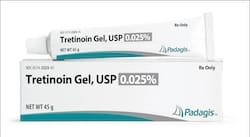
Buy Tretinoin Gel Online for Best Prices
Mastering the Application of Retinoid Gel
Think of tretinoin as a biological architect for your complexion. It works deep within the skin’s layers to accelerate cellular turnover. Instead of old, dead cells lingering on the surface like unwanted debris, this retinoid nudges them out to make way for fresh, healthy skin cells.
When it comes to acne, this process is a game-changer. By speeding up how quickly cells move, it prevents pores from becoming clogged with sebum and debris. It essentially keeps the traffic flowing within your skin, preventing the congestion that leads to painful breakouts.
For those battling fine lines or sun damage, the mechanism is equally impressive. It helps smooth out the rough texture and wrinkles caused by UV rays. By stimulating collagen production and shedding the damaged top layer, your skin begins to look significantly more youthful and even-toned.
However, using this gel is not as simple as slapping it on like a moisturizer. You must treat it with a certain level of respect. If you approach it too aggressively, you might find yourself dealing with more irritation than actual improvement in your skin texture.
The Evening Ritual
Timing is everything when you are working with a potent retinoid. You should apply the gel once daily at bedtime. Your skin undergoes its most intense repair work while you sleep, making the nighttime hours the perfect window for this active ingredient.
Start with a pea-sized amount for your entire face. It sounds like a small amount, but more is definitely not better. Using too much is a one-way ticket to redness and peeling. Think of it as a delicate veil rather than a thick mask.
Before applying, ensure your skin is completely dry. Applying tretinoin to damp skin can cause the medication to absorb too quickly, which often leads to unnecessary irritation. It is better to play it safe and wait a few minutes after washing your face.
Consistency is the name of the game here. You cannot skip nights and expect immediate results. While it might feel like a slow climb up a mountain, sticking to your nightly routine is the only way to see the real magic happen.
Precautions and Safety
There are certain “no-go” zones when applying this medication. You must avoid applying the gel to skin that is cut, scraped, or sunburned. Doing so can cause intense stinging and may even exacerbate the underlying skin damage you are trying to fix.
If you have eczema-affected or highly sensitive areas, be extra cautious. It is often wise to avoid the delicate skin around the corners of the nose and the lips, as these areas tend to be much more prone to dryness and cracking when starting a retinoid.
If you do experience significant redness or peeling, do not panic immediately. This is often part of the “retinization” process. However, if your skin feels raw or painful, it is time to scale back your application or consult a professional.
Always remember that this is a prescription-strength tool. It is meant for external use only. Never ingest this medication, as it is designed strictly for topical application to the skin’s surface to achieve its intended dermatological effects.
The Waiting Game
Patience is a virtue, especially when your skin is in transition. You might notice an initial “purging” phase where acne seems to get slightly worse before it gets better. This is just the gel working its way through existing clogs deep within your pores.
How long does it take to see results? It is rarely an overnight transformation. While some see subtle changes in texture within a few weeks, true clearance of acne and significant reduction in fine lines often takes several months of dedicated use.
It is easy to get discouraged when you don’t see a mirror-smooth complexion after two weeks. Keep your eyes on the long-term goal. Think of it as an investment in your skin’s future rather than a quick fix for today’s blemishes.
Because of the way skin cells cycle, you are essentially waiting for new cells to rise to the surface. Stick with the program, keep your skin hydrated, and the visible improvements will eventually follow your persistence.
| Product Type | Primary Use | Typical Cost Range |
| Tretinoin 0.025% Gel | Acne & Fine Lines | $15 – $40 |
| Tretinoin 0.05% Gel | Acne & Texture | $20 – $50 |
Navigating Tretinoin Gel Concentrations and Strengths
Choosing the right strength is like picking the right speed for a long road trip. If you start too fast, you might crash and burn, leaving your skin red and peeling. If you go too slow, you might never reach your destination. Finding that “Goldilocks” zone requires understanding the subtle differences between the available potencies.
The concentration you select dictates how your skin reacts to the active ingredient. While it might be tempting to grab the strongest tube on the shelf to see results faster, your skin’s barrier might not be ready for such a sudden shock. It is a marathon, not a sprint, and your complexion needs time to adapt.
Think of your skin as a garden. You wouldn’t dump a gallon of concentrated fertilizer on a tiny sprout in a single afternoon. Instead, you would introduce nutrients gradually to encourage healthy, steady growth. The same logic applies to how you introduce tretinoin into your nightly skincare regimen.
Many people find success by starting with the 0.01% concentration. This ultra-mild version acts as a gentle introduction to the world of retinoids. It is a fantastic way to “test the waters” without sending your face into a state of emergency. It helps your skin build tolerance before moving on to heavier hitters.
The Spectrum of Potency
When we talk about 0.025%, we are entering the territory of the most common prescription standard. This strength is a workhorse for many, striking a balance between effectiveness and tolerability. It is often the first “real” step up for those who have mastered the art of the 0.01% application.
Then there is the 0.05% concentration, which is the heavy lifter. This is typically reserved for those who have already developed a seasoned tolerance or those whose skin is particularly resilient. It is powerful, effective, and requires a very disciplined approach to application to avoid significant irritation.
Your choice ultimately depends on your primary skin goal. If you are battling stubborn acne, a higher concentration might be the key to clearing those pesky blemishes. However, if you are looking to smooth out fine lines or sun damage, you might find that a moderate strength works wonders without the drama.
For those dealing with sun-damaged fine lines, the goal is collagen stimulation. For acne, the goal is pore regulation. Understanding this nuance helps you decide whether to prioritize the intensity of the active ingredient or the stability of your skin’s moisture barrier.
The following table provides a general overview of how these different strengths often compare in terms of typical market costs and primary use cases.
| Strength Level | Primary Skin Goal | Estimated Cost |
|---|---|---|
| 0.01% Gel | Acne & Sensitivity | $15 – $30 |
| 0.025% Gel | Acne & Fine Lines | $20 – $45 |
| 0.05% Gel | Deep Wrinkles & Texture | $30 – $60 |
Prescription vs. Over-the-Counter
The line between prescription-strength and over-the-counter options can feel blurry. While many retailers sell tretinoin, most high-potency gels are strictly available by prescription only. This ensures that a medical professional has vetted your skin’s readiness for such a potent, active ingredient.
Prescription options offer a direct route to the specific concentrations mentioned earlier. Because they are regulated, you can be certain of the exact potency you are applying to your face. This precision is vital when you are trying to balance efficacy with the risk of irritation.
Over-the-counter alternatives often fall into the category of “retinoids” rather than pure tretinoin. While they are wonderful for maintenance and gentle aging prevention, they may not have the same “punch” required to treat moderate to severe acne. It is a trade-off between convenience and raw power.
Always listen to your skin’s feedback. If you find that you are constantly fighting redness despite using a lower concentration, you may need to step back. There is no shame in staying at a lower strength for longer to ensure your skin barrier remains intact and healthy.
Cost Analysis and Savings Strategies
Navigating the financial side of skincare can feel like trying to solve a puzzle without the picture on the box. You want the best results for your complexion, but you also don’t want to break the bank every month. Understanding the price gap between different versions of tretinoin is essential for long-term consistency.
Generic versions of tretinoin gel are often the “secret weapon” for budget-conscious enthusiasts. These formulations provide the same active ingredient at a fraction of the cost of premium brands. You might find generic tubes ranging from $15 to $45 depending on the concentration and the pharmacy you choose to visit.
On the other hand, brand-name options carry a significant premium. These often come with specialized packaging or specific formulations designed for certain skin types. While they work effectively, the price tag can jump significantly higher than the generic alternatives you might find at a local pharmacy or online.
It is a classic case of “you get what you pay for,” but in the world of dermatological topicals, the generic is often a very close second. Many patients find that the generic route allows them to stay consistent with their nightly routine without feeling the pinch in their monthly budget.
Comparing Obagi and Generic Formulations
When you look at a brand like Obagi, you are paying for a specific level of refinement. Obagi tretinoin formulations are famously fragrance-free, which is a massive win for those with highly sensitive or reactive skin. This attention to detail helps minimize the dreaded “retinoid purge” or excessive dryness.
However, that luxury comes with a hefty price tag. An Obagi gel might cost you several times more than a standard generic gel from a major pharmacy chain. For some, the peace of mind regarding ingredient purity is worth every extra penny spent at the checkout counter.
If you have resilient skin that doesn’t mind a few extra stabilizers or a different base, the generic route is incredibly efficient. You are essentially paying for the same active molecule. It is like choosing between a designer shirt and a high-quality staple; both cover you, but one is a status symbol.
Ultimately, the choice between Obagi and a generic comes down to your skin’s tolerance. If a generic causes redness or peeling, the premium formulation might be a necessary investment. If the generic works like a charm, you can save a significant amount of money over the years.
Maximizing Savings with Coupons
Don’t let the sticker price scare you off before you’ve even started your journey. There are several “hacks” to bring those costs down significantly. Using digital coupons can often turn an expensive prescription into a much more manageable monthly expense for the average person.
Platforms like GoodRx are absolute lifesavers in the world of skincare. By simply searching for your specific prescription, you can find local pharmacies that offer deep discounts. Sometimes, the price drops by half or even more just by showing a digital coupon on your smartphone at the pharmacy counter.
It is worth taking a few minutes to compare different providers. One pharmacy might be the “expensive” option, while the one just two blocks away offers a massive discount through a savings platform. It is a bit of legwork, but it pays off in the long run.
- Check GoodRx for real-time local pricing.
- Ask your pharmacist about manufacturer coupons.
- Compare prices between big-box retailers and local independents.
- Inquire about generic substitution to save immediately.
Long-Term Value and Volume
When you are standing in the aisle, it is tempting to grab the smallest tube just to see if you like the product. However, buying in bulk or choosing larger volumes can often be the smarter financial move. It is all about the “cost per ounce” in the end.
A small 15ml tube might seem cheap upfront, but you might find yourself refilling it every few weeks. A larger 30ml tube might cost more initially, but it can last you twice as long. This reduces the number of trips to the pharmacy and lowers your overall annual spending.
Consider your application method to make your supply last longer. Using a pea-sized amount for the entire face is the golden rule. If you start slathering it on like moisturizer, you will burn through your expensive gel in no time, making even the cheapest option feel like a luxury.
Think of your skincare budget like a long-term investment. By choosing the right volume and using the right amount, you ensure that your journey toward clear skin is both effective and economically sustainable. Consistency is king, and you can’t be consistent if you’re constantly running low on product.
Managing Common Side Effects and Skin Sensitivity
Starting a tretinoin gel regimen is a bit like training for a marathon; your skin needs time to build up its stamina. It is not uncommon to encounter a period of “purging,” where existing congestion rises to the surface. You might notice a sudden flare-up of acne or unexpected texture changes as your skin cells turn over more rapidly.
Beyond the initial purge, physical irritation is the most frequent visitor. Many users report significant dryness, flaky peeling, and localized redness. These symptoms occur because the medication accelerates cellular turnover, often leaving your natural moisture barrier temporarily vulnerable. It can feel as though your skin is shedding its old self to make room for the new.
If your face feels tight or starts to sting like a mild sunburn, don’t panic immediately. This is often the skin’s way of signaling that the concentration might be a bit too aggressive for your current routine. It is a delicate dance between achieving results and maintaining a healthy, comfortable skin barrier throughout the process.
If you find yourself looking in the mirror and seeing more irritation than improvement, consider these practical steps to mitigate the discomfort:
- The Sandwich Method: Apply a gentle moisturizer first, then your tretinoin gel, and finish with another layer of moisturizer.
- Frequency Adjustment: Instead of every night, try applying the gel every second or third night until your skin adjusts.
- Avoid Actives: Temporarily skip exfoliating acids like AHA or BHA while your skin is in its sensitive phase.
- Skip the Sensitive Spots: Avoid applying the gel near the corners of your mouth, nose, and eyes.
Sometimes, the “less is more” approach is the only way to win this battle. If you apply too much, you aren’t getting better results; you’re just inviting a red, angry complexion. Think of it as a slow burn rather than a wildfire; you want steady progress, not a sudden chemical burn.
The Non-Negotiable Role of Sun Protection
If there is one golden rule in the world of retinoids, it is this: you must wear sunscreen every single day. Tretinoin makes your skin incredibly sensitive to ultraviolet rays. Using this medication without protecting yourself is like walking out into a desert without a hat; you are essentially inviting sun damage to undo all your hard work.
Even if you only apply your gel at bedtime, the sun’s rays can still impact your newly sensitized skin the following morning. Sun exposure can exacerbate redness and may even lead to hyperpigmentation, which is the exact opposite of what you want when treating dark spots. It is a vital part of the equation.
I always tell my friends that a high-quality SPF is just as important as the prescription itself. A broad-spectrum sunscreen with at least SPF 30 is the bare minimum for daily protection. Think of your sunscreen as the shield that protects your investment in your skincare routine.
When shopping for sun protection, remember that price doesn’t always dictate performance, but consistency does. You can find excellent options at various price points, from $15 to $50 or more. Whatever you choose, make sure it is a formula you actually enjoy wearing, so you don’t skip a day.
Knowing When to Call the Professional
While a little peeling is part of the deal, there is a very thin line between “adjusting” and “injury.” You should never apply tretinoin to skin that is already cut, scraped, or severely sunburned. If your skin feels like it is on fire or shows signs of weeping, it is time to pause.
It is crucial to monitor how your skin reacts to the medication. While redness is common, intense swelling, blistering, or extreme itching are red flags that require immediate medical attention. You shouldn’t try to “tough it out” if your skin is showing signs of a genuine allergic reaction or a chemical burn.
If you notice persistent hives or a rash that doesn’t subside even after you stop using the product, reach out to your dermatologist. They can determine if you need a lower concentration or perhaps a different delivery method. Your safety is far more important than a quick fix for acne.
| Symptom Type | What to Do | When to Worry |
| Mild Peeling | Use extra moisturizer | If skin becomes raw |
| Mild Redness | Reduce application frequency | If skin feels hot/inflamed |
| Itching/Stinging | Apply a “buffer” layer | If it persists or causes hives |
Acquisition and Shipping Logistics
Navigating the Prescription Requirement
You cannot simply grab a tube of medical-grade tretinoin gel off a grocery store shelf like you would a bottle of shampoo. Because it is a potent retinoid, it is available by prescription only. This isn’t just red tape; it is a safety measure to ensure your skin is monitored during the initial, often bumpy, adjustment period.
Navigating the medical landscape can feel like a labyrinth. You will need to consult with a healthcare provider, such as a dermatologist, to confirm that this medication is appropriate for your skin concerns. They will assess whether you are treating acne, fine lines, or sun damage before officially signing off on the order.
Once you have your prescription in hand, the real logistics begin. You might find yourself choosing between a traditional local pharmacy or a modern online provider. Each route has its own set of rules, but the common thread is that a valid doctor’s order is the golden ticket for every single transaction.
If you are looking for budget-friendly options, it is worth checking sites like GoodRx. Prices can vary wildly depending on your insurance and the specific brand. Some patients find relief with generic versions that can cost much less than the name-brand alternatives, making the treatment much more sustainable long-term.
Ordering Through Reputable Online Channels
The digital age has made getting your skincare much easier, but don’t go chasing shadows in the dark corners of the internet. When ordering through online pharmacies, stick to those that require a prescription and have a clear, verifiable physical address. A legitimate digital pharmacy should feel as professional as a brick-and-mortar shop.
I once knew someone who tried to save a few bucks by buying from a suspicious vendor on a social media ad. They ended up with a bottle that was essentially useless water. It is vital to use reputable retailers that clearly state their credentials and offer customer support that actually answers the phone.
When browsing online, keep an eye on the price-to-value ratio. If a vendor is offering a high-strength gel for $5 when the market average is closer to $35, your “bargain” might actually be a counterfeit. It is better to pay a fair price for peace of mind than to gamble with your face.
Always look for “verified” badges or pharmacy accreditation seals. Many reputable online platforms integrate directly with your doctor’s office, streamlining the whole process. This seamless connection ensures that the medication you receive is exactly what your physician intended for your specific skin type.
Temperature Control and Shipping Realities
Tretinoin is a bit of a diva when it comes to its environment. It is highly sensitive to heat and light, which means the way it travels from the warehouse to your doorstep matters immensely. If a package sits in a hot delivery truck for three days, the active ingredients might lose their punch.
When you are selecting a shipping method, ask if the retailer uses temperature-controlled packaging. While not always strictly required for every shipment, it is a sign of a high-quality provider. You want your gel arriving in a stable state, ready to work its magic without having been “cooked” in transit.
If you live in a particularly hot climate, you might consider having your order shipped during the cooler months. It sounds a bit extreme, but it is a practical way to ensure the integrity of your medication. Once the gel is delivered, keep it in a cool, dark place—not necessarily the fridge, but away from the sun.
Keep an eye on your tracking information closely. If you see a delay in your shipment, be prepared to contact the vendor. Receiving a warm, melted, or discolored product is a sign that the chemical stability has been compromised, and you should probably ask for a replacement immediately.
Verifying Product Authenticity
In a world of “dupes” and knock-offs, verifying your skincare is a non-negotiable skill. When your package arrives, the first thing you should do is inspect the packaging for any signs of tampering. The seal should be intact, and the printing should be crisp and professional, not blurry or misspelled.
Check the expiration date and the lot number on the tube. If the information looks smudged or is missing entirely, treat it as a major red flag. Authentic medical-grade products are held to incredibly high manufacturing standards that scammers often fail to meet in their rush to ship.
You can also compare the packaging to images on the manufacturer’s official website. If the colors, font, or shape of the tube look even slightly “off,” do not apply it to your skin. It is better to spend a little extra time verifying than to deal with a chemical reaction from an impure substance.
If you are ever in doubt, call the manufacturer directly. Most reputable companies have a department dedicated to quality control and can help you determine if your specific bottle is part of a legitimate batch. Protecting your skin barrier starts with knowing exactly what you are putting on it.
| Verification Step | What to Look For | Action if Suspicious |
| Packaging Integrity | Unbroken seal and crisp text | Contact vendor immediately |
| Expiration Date | Clear, legible, and valid | Do not use the product |
| Physical Appearance | Consistent texture and color | Consult a dermatologist |
Comparing Gel, Cream, and Serum Delivery Methods
Choosing the right vehicle for your tretinoin can feel like navigating a minefield of textures and sensations. It is not just about the strength of the retinoid, but how that medicine actually meets your skin cells. Some people find the cooling sensation of a gel refreshing, while others find it a bit too aggressive for their delicate complexion.
If you are dealing with stubborn acne, a gel might be your best friend. Because gels are typically water-based, they tend to absorb much faster than their cream counterparts. This rapid penetration means the active ingredient gets to work quickly, but it can also lead to a bit of a “sting” if your skin isn’t ready for the sudden arrival.
On the flip side, creams act like a cozy blanket for your face. They are formulated with oils and emollients that slow down the absorption process. This gradual release is often much kinder to the skin barrier, making it a favorite for those who struggle with the dreaded “retinoid purge” or intense dryness during the initial weeks of use.
Think of it as a race versus a slow walk. The gel is a sprinter, hitting the skin hard and fast, which is great for oily skin types. The cream is a marathon runner, pacing itself to ensure the skin isn’t overwhelmed. Knowing your skin’s temperament is the first step toward a successful, irritation-free regimen.
Navigating Absorption and Sensitivity
For those with sensitive skin, the serum-based approach is often a total game-changer. Serums are lightweight, highly concentrated liquids that are designed to sink in without the heavy residue of a cream. They offer a middle ground that provides the potency of a gel but with a much more sophisticated, elegant feel on the skin.
I remember a client who swore she could never use tretinoin because it made her skin feel like parched desert sand. Once we switched her from a heavy cream to a lightweight serum paired with a thick moisturizer, her skin finally stopped screaming. It’s all about finding that “sweet spot” where the medicine works without causing a revolt.
If you find that your skin feels tight or starts to peel excessively, you might be dealing with a delivery method that is moving too quickly. Serums allow you to layer products more easily, which is vital for building up your tolerance. You can sandwich the serum between layers of hydration to dampen the potential for redness.
Ultimately, the goal is consistency. If a formulation is so irritating that you skip nights, you won’t see the results you’re paying for. Using a serum can help you stay consistent by making the nightly application feel like a luxury rather than a chore or a painful necessity.
To help you decide, consider these primary differences in how they interact with your unique skin type:
- Gels: Ideal for oily or acne-prone skin; fast absorption; higher risk of initial dryness.
- Creams: Best for dry or mature skin; slow absorption; provides a protective moisture barrier.
- Serums: Great for sensitive skin; lightweight and elegant; easiest to layer with other products.
Integrating Texture into Your Routine
How does the product fit into your morning and evening ritual? If you are a person who likes to get in and out of the bathroom in five minutes, a gel is your best pal. It vanishes into the skin almost instantly, meaning you won’t be sitting around waiting for it to dry before applying your moisturizer.
Creams, however, require a bit more patience. They take a moment to settle and can sometimes leave a slight sheen on the skin. If you are someone who hates the feeling of “stuff” on your face, a cream might feel a bit heavy, especially if you live in a humid environment where everything feels sticky.
Serums are the ultimate multitaskers in a skincare lineup. Because they are so thin, they slide right under your lotions and sunscreens without pilling or balling up. This makes them a dream for anyone who has a complex, multi-step routine involving various essences and hydrating toners.
When choosing, think about your lifestyle. If you are a night owl who prefers a heavy, nourishing routine before bed, a cream is a lovely way to end the day. If you want something efficient and quick, stick to the gels or serums to keep things moving smoothly.
| Skin Concern | Recommended Format | Reasoning |
| Active Acne & Oily Skin | Gel | Rapid absorption and minimal residue |
| Fine Lines & Dry Skin | Cream | Adds essential emollients and moisture |
| Sensitivity & Layering | Serum | Gentle delivery and easy integration |