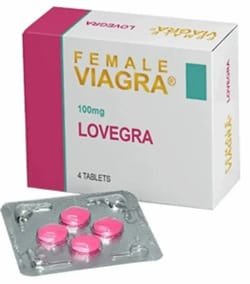
Buy FDA-Approved Female Viagra Online Now
FDA-Approved Treatments for HSDD
Waking up to find the spark in your relationship has turned into cold ashes is a heavy realization. For many women, this isn’t just a passing phase of fatigue. It is a medical condition known as Hypoactive Sexual Desire Disorder, or HSDD. This persistent lack of interest in intimacy can leave you feeling disconnected from your own body and your partner.
About 10 percent of women face this struggle. It is not simply a matter of being too tired or stressed from a busy work week. Instead, it is a persistent lack of desire that causes genuine personal distress. Having a formal diagnosis helps validate that this is a real biological issue, not just a lifestyle complaint.
Searching for answers can feel like wandering through a thick fog without a compass. Many women turn to “female Viagra” in hopes of a quick fix. However, the medical reality is more nuanced than the headlines suggest. Learning the right terminology is often the first step toward finding a path back to intimacy.
It helps to distinguish between desire and arousal. Think of desire as the mental urge or the “wanting” to engage. Arousal, however, is the physical response, like increased blood flow or lubrication. You can experience one without the other, and they aren’t always in sync.
The Role of Addyi
For a long time, women felt left behind in the pharmaceutical race. While men had their blue pills, women were often told to simply relax. That changed when Addyi, also known as flibanserin, entered the scene. It is the first FDA-approved treatment specifically for women under the age of 65.
Unlike medications that focus purely on blood flow, Addyi works on your brain’s neurochemistry. It targets chemicals like serotonin and dopamine, which act as messengers for sexual desire. People often call it the “little pink pill,” a nickname meant to make the treatment feel less intimidating.
Don’t expect a magic pill that works instantly before a romantic encounter. This is a daily medication meant to restore a baseline of desire over time. It works on underlying neurological pathways rather than just treating the physical symptoms of arousal in the pelvic region.
Because it alters brain chemistry, you cannot simply grab it from a drugstore shelf next to your toothpaste. It requires a serious conversation with a healthcare provider. They need to ensure it is appropriate for your specific hormonal and neurological profile.
Navigating Prescription Requirements
You might be tempted to browse online marketplaces for a quick solution, but proceed with caution. The FDA has not approved Viagra for female use, and they advise against using over-the-counter supplements marketed to boost libido. These “enhancement pills” are often a gamble with your health and your wallet.
Flibanserin is strictly prescription-only. A doctor must evaluate your medical history, current medications, and potential side effects before writing a script. Skipping this step is like driving a car without brakes; you might get moving, but you won’t be able to stop safely when things get complicated.
A medical consultation acts as your safety net. A doctor will check for potential interactions, especially since flibanserin can interact poorly with alcohol or certain other medications. It is much safer to have a professional guide your journey than to experiment blindly with unregulated substances.
If you are interested in exploring this, consider starting with a telehealth visit. This is a convenient way to bridge the gap between feeling discouraged and finding a medical solution. Your sexual health is a legitimate part of your overall wellness and deserves professional attention.
The Reality of Sildenafil for Women
The term “female Viagra” is a bit of a misnomer that often leads women down a confusing path. While the media loves a catchy label, the medical community uses much more precise language. It is a common misconception that a single pill can bridge the gap between frustration and fulfillment for every woman.
The FDA has been very clear: sildenafil has not been approved for use in females. While it is a household name for men, the regulatory stance for women is much more cautious. Using it for anything other than its intended purpose is considered “off-label” use, which carries medical uncertainties and risks.
You might hear people whisper about using the “blue pill” to find their spark again. However, the FDA’s lack of approval isn’t just a formality. It is a signal that the drug’s efficacy for women hasn’t been established in the same way. Relying on a medication not designed for your biology is a gamble.
Attempting to treat sexual dysfunction with a drug meant for male physiological responses is like trying to use a map of London to navigate New York. The landmarks are completely different. Without proper medical oversight, you are navigating a complex biological landscape without any reliable guidance.
Conflicting Research and Arousal Myths
Clinical research into sildenafil for Female Sexual Arousal Disorder (FSAD) has been a rollercoaster. Some studies suggest it might help increase blood flow to the pelvic region, potentially aiding lubrication. However, other trials have shown no significant benefit, leaving the scientific community in a state of debate.
This inconsistency is why doctors often hesitate to prescribe it for women. The data is far from a slam dunk. Because the results are so conflicting, there is no consensus on whether sildenafil actually addresses the core issues many women face regarding their physical responses.
It is crucial to understand that physiological arousal does not always equate to sexual satisfaction. You can experience the physical signs of arousal—increased blood flow or lubrication—without actually feeling desire or pleasure. A body can respond mechanically while the mind remains entirely disconnected from the act.
True satisfaction is a symphony of physical, emotional, and psychological elements working in harmony. If the mental “wanting” isn’t there, even the most intense physical response can feel hollow or even intrusive. Focusing solely on blood flow often misses the heart of the problem for many women.
When people look for quick fixes, they often overlook the complex dance between the brain and the body. Relying on a pill to force a physical response when the underlying issue is psychological can lead to even more frustration. It is a temporary bandage on a wound that might require a more holistic approach.
Risks of Off-Label Use
Taking a medication prescribed for a man can be a slippery slope. When you use a drug “off-label,” you are stepping outside the safety net of clinical trials. This means you are taking on risks that the manufacturer and regulators have not fully vetted for your specific demographic.
Side effects can be unpredictable and quite unpleasant. Some women report headaches, flushing, or indigestion, but more serious issues like vision changes or cardiovascular strain are always a concern. Without a doctor’s supervision, you won’t have a professional to help you manage these adverse reactions.
Furthermore, there is the risk of dangerous drug interactions. If you are taking blood pressure medication or certain antidepressants, adding sildenafil into the mix could be like throwing gasoline on a small fire. The chemical interplay within your body can become volatile when you introduce substances your system isn’t prepared for.
It is also important to consider the cost of “DIY” medicine. Many women end up spending significant amounts on unregulated supplements or unprescribed pills that may not even contain the ingredients they think they are taking. You could be paying a premium for a very expensive placebo effect.
Below is a comparison of common ways women seek these treatments and the associated costs they might encounter.
| Option Type | Expected Cost Range | Primary Terms & Conditions |
|---|---|---|
| Telehealth Consultation | $75 – $150 | Requires medical history review |
| FDA-Approved Medication | $50 – $100 | Requires valid prescription |
| Online “Enhancement” Pills | $30 – $60 | No medical oversight; unregulated |
| In-Person Specialist Visit | $200 – $400 | Comprehensive diagnostic testing |
Comparing Prescription Medications and Over-the-Counter Options
Walking into a local pharmacy to find a “quick fix” for intimacy can feel like searching for a needle in a haystack. You might see colorful bottles on the shelves promising a sudden surge in passion. However, the reality is often messier than these glossy labels suggest. Many women find themselves caught between clinical science and marketing magic.
The allure of an easy solution is incredibly strong when you feel disconnected from your own desire. It is easy to fall for the siren song of an unregulated bottle that claims to work overnight. But these products often lack the rigorous testing required to ensure they won’t cause harm. You are essentially gambling with your hormonal balance.
Navigating this requires a keen eye for detail. It is not just about what is inside the pill, but how it interacts with your unique biology. Choosing a supplement over a medical consultation is like trying to fix a complex engine with a hammer. You might get a temporary reaction, but you aren’t addressing the actual mechanics.
The Mechanism of Action: Biology vs. Botanicals
Prescription treatments like Addyi® work by targeting the brain’s chemistry directly. Specifically, flibanserin is designed to modulate neurotransmitters, acting like a thermostat for your sexual desire. It addresses HSDD by adjusting how your brain processes signals related to arousal and interest. This is a targeted, neurological approach to a neurological condition.
In stark contrast, herbal supplements often rely on vague “aphrodisiac” claims that lack scientific backing. They frequently aim to increase blood flow or slightly alter hormone levels through botanical extracts. However, these methods are often blunt instruments. They lack the precision of a pharmaceutical designed to fine-tune specific pathways in the central nervous system.
When you compare the two, the difference in intent is glaring. Clinical medications are engineered to correct a specific deficiency or imbalance. Most over-the-counter options are essentially trying to “boost” something that might already be functioning correctly, or worse, they may unintentionally disrupt your natural hormonal rhythm.
It is vital to recognize that “natural” does not automatically mean “safe.” Many herbal ingredients can behave like powerful drugs once they enter your bloodstream. Without a standardized dose or a controlled delivery system, you are essentially flying blind in a storm of unpredictable chemical reactions.
Marketing Traps and Safety Realities
Marketing departments are masters at selling hope in a small, convenient pill. They often use terms like “female viagra” to capitalize on the fame of male medications, even when the science doesn’t align. This creates a dangerous expectation that a pill can solve a multifaceted issue rooted in stress, relationship dynamics, or hormonal shifts.
The FDA has been quite vocal about this trend, often advising against the use of over-the-counter supplements marketed specifically for libido enhancement. The reason is simple: these products are not held to the same stringent safety standards as prescription drugs. They do not have to prove they are effective before they hit the shelves.
This regulatory gap creates a “wild west” environment for consumers. Many of these products are sold with zero accountability, making it difficult to track long-term consequences. You might spend $40 on a bottle only to find out it contains nothing more than caffeine and a handful of unproven plant extracts.
Relying on these “quick fixes” can actually exacerbate the psychological frustration of sexual dysfunction. When the pill fails to deliver the promised magic, it can lead to feelings of inadequacy or further distress. It is a cycle of disappointment that often ends with more money spent on even more desperate, unregulated solutions.
Costs and Financial Considerations for Treatment
Stepping into the world of prescription solutions can feel like walking into a high-stakes poker game where you don’t know the rules. When you consider Addyi®, the price tag can be a significant shock. Without the safety net of insurance, you might find yourself staring at a bill that feels as heavy as the frustration causing the issue.
For many, the out-of-pocket expense for a monthly supply of flibanserin can range anywhere from $150 to several hundred dollars. These costs fluctuate wildly depending on your pharmacy, your location, and whether you are using a manufacturer’s assistance program. It is a steep mountain to climb when you are already dealing with the emotional weight of HSDD.
It is not just about the pill itself, but the entire ecosystem of care. You aren’t just paying for a small pink tablet; you are paying for the expertise of a clinician who can safely navigate your medical history. While the upfront cost seems daunting, it is a direct investment in a regulated, FDA-approved medical path.
Some patients find relief by utilizing patient assistance programs offered by pharmaceutical companies. These programs can sometimes bridge the gap between what you can afford and what the market demands. However, navigating the paperwork can feel like a full-time job in itself, requiring a lot of patience.
Insurance Coverage and the Pharmacy Shelf
The landscape of insurance coverage for HSDD treatments is notoriously uneven. Because flibanserin targets a specific condition rather than a universal biological need, some plans view it as “lifestyle” rather than “essential.” This distinction can lead to sudden denials that leave patients scrambling to cover the full cost themselves.
You might find that your provider covers the medication under a specialized tier, or they might refuse to cover it entirely. It is often worth having a long, perhaps slightly awkward, conversation with your benefits coordinator. Knowing your specific coverage details before you head to the pharmacy can save you a massive headache later on.
If you decide to bypass the doctor and head straight to a retail store like CVS, the options change significantly. You will find a wide variety of “sexual wellness” supplements that promise to boost libido without a prescription. These are much easier to acquire, but they come with their own set of financial and biological risks.
Common pharmacy-grade supplements—often containing botanicals like maca or ginseng—typically fall into these price brackets:
- Basic herbal libido boosters: $15 – $30 per bottle
- Premium brand-name wellness supplements: $35 – $60 per bottle
- Specialized hormonal support blends: $50 – $85 per bottle
The True Price of a Telehealth Journey
In the modern era, many women prefer the convenience of a telehealth visit to discuss their concerns privately. This approach is often much faster than waiting weeks for an in-person appointment, but it does add another layer to your budget. You must account for more than just the medication itself when calculating the total cost.
A typical telehealth consultation for sexual dysfunction can cost anywhere from $60 to $150 per session. This fee covers the provider’s time to evaluate your symptoms and determine if a prescription is appropriate. While it is a convenient way to access care from your living room, it remains a necessary part of the investment.
Beyond the doctor and the drug, there are the “hidden” costs that often slip through the cracks. Shipping fees for specialized medications can add $10 to $20 to your monthly total. Additionally, if you require follow-up appointments to monitor side effects or adjust dosages, those costs will continue to stack up over time.
To give you a clearer picture, here is a rough breakdown of a monthly cycle for a patient using a telehealth service for Addyi®:
| Service Component | Estimated Monthly Cost |
| Telehealth Consultation | $75 – $150 |
| Prescription (Out-of-Pocket) | $150 – $400 |
| Shipping & Handling | $10 – $25 |
| Total Estimated Monthly | $235 – $575 |
Ultimately, the financial commitment is a personal decision that weighs the cost against the potential for improved intimacy and well-being. It is a balance of math and emotion, where you are weighing the price of a pill against the value of reclaiming your connection to yourself.
Navigating Telehealth and Pharmacy Procurement
Stepping into the world of digital healthcare can feel like walking into a fog without a compass. To begin, you will likely navigate a digital intake form that asks deeply personal questions about your history and symptoms. It is a bit like a digital interrogation, but these details are vital for a safe medical assessment.
Once you submit your history, a clinician will review your profile to ensure you meet the criteria for HSDD. You might have a video call or a text-based consultation to discuss your concerns. It is a modern way to bridge the gap between medical necessity and the comfort of your own sofa.
After the consultation, if the provider deems it appropriate, they will issue a prescription. This isn’t just a piece of paper; it is a legal mandate that tells a pharmacy you are cleared for treatment. This step ensures that your journey is grounded in professional oversight rather than guesswork or internet myths.
The legal landscape for these medications is quite strict to ensure patient safety. Because prescription-strength pills like flibanserin are regulated, you cannot simply “click and buy” without a valid doctor’s order. This legal requirement serves as a safeguard against the risks of self-medicating with potent substances.
Attempting to bypass these laws by seeking “unregulated” versions online is like playing a high-stakes game of Russian roulette. The FDA has not approved many of the over-the-counter alternatives marketed for libido. Stick to the legal path to ensure that what you are swallowing is actually what the label claims it is.
When it comes to receiving your order, privacy is usually the top priority for most patients. Reputable telehealth platforms use discreet packaging that looks like any other generic medical delivery. You won’t have to worry about a neighbor peering into your mailbox and seeing a highly specific, sensitive medical label.
Shipping times can vary depending on whether the pharmacy is local or a national mail-order service. Most specialized deliveries take anywhere from three to seven business days to arrive at your door. It is wise to plan your refills accordingly so you never find yourself staring at an empty pill bottle.
When choosing where to shop, you must distinguish between legitimate pharmacies and the “wild west” of online marketplaces. A reputable pharmacy will always require a prescription and provide clear contact information for a licensed pharmacist. They act as a gatekeeper, ensuring your safety and the quality of the medication.
Online marketplaces, on the other hand, often operate in a legal gray area. They might offer much lower prices, but they lack the oversight of a regulated medical professional. It is often better to pay a bit more for peace of mind than to risk your health on a questionable, unverified source.
To help you decide, consider these key differences in your procurement strategy:
| Feature | Reputable Telehealth Pharmacy | Online Marketplace |
| Prescription Required? | Yes, mandatory | Often bypassed |
| Product Verification | High (FDA Regulated) | Low (Variable) |
| Privacy Level | Discreet medical packaging | Unpredictable |
Usage Scenarios and Side Effect Management
Taking flibanserin is not like reaching for a single pill right before a romantic encounter. It is a marathon, not a sprint. Unlike some medications that work on demand, this treatment requires a daily commitment to see any meaningful change in your desire levels.
You will likely be instructed to take a 10mg dose every night at bedtime. This consistent, daily routine helps regulate the neurotransmitters in your brain that govern sexual interest. Skipping days can feel like trying to steer a massive ship by only turning the wheel once a week.
Because it works on your neurochemistry, the effects build up over time. Most people don’t wake up feeling a sudden surge of passion after the very first dose. It usually takes several weeks of steady, nightly use before you notice a shift in your internal compass.
If you find that the daily requirement is difficult to manage, talk to your doctor. They might suggest different timing or strategies to help you stay consistent. Consistency is the golden rule when you are trying to recalibrate your body’s natural response to intimacy.
Navigating Potential Side Effects
Even the best medicines can come with a few bumps in the road. Many women report feeling a bit “off” as their body adjusts to the new chemical balance. It is not uncommon to experience mild nausea, which can feel like a persistent bout of motion sickness.
Dizziness is another frequent visitor on the list of side effects. You might feel a bit lightheaded if you stand up too quickly or move too abruptly. Think of it as your body’s way of saying, “Slow down a little while I figure this out.”
Some users also experience a drop in blood pressure, which can contribute to that woozy sensation. It is important to listen to your body’s signals. If you feel faint or unusually tired, do not ignore those whispers; they are often your body’s way of communicating.
Common side effects often include:
- Nausea or stomach upset
- Drowsiness or fatigue
- Dizziness or lightheadedness
- Decreased blood pressure
The Alcohol Connection
If you are taking flibanserin, you need to treat alcohol with extreme caution. Mixing the two is like throwing gasoline on a small fire; it can lead to unpredictable and potentially dangerous drops in blood pressure. This interaction can make you feel incredibly unwell or even cause fainting.
It is best to avoid alcohol entirely while you are on this medication. Even a single glass of wine might cause a sudden, dizzying sensation that catches you off guard. Think of it as a temporary truce in your relationship with your favorite cocktail to ensure your safety.
If you do find yourself in a social situation where alcohol is present, be incredibly mindful. Many doctors suggest staying away from heavy drinks or any situation where you might lose track of how much you have consumed. Safety should always take precedence over social convenience.
If you experience severe dizziness or a significant drop in blood pressure, you should seek medical attention immediately. Do not wait for it to pass if you feel truly unwell. Your safety is worth much more than the temporary discomfort of avoiding a drink.
| Symptom Severity | Action Required | Example |
| Mild/Manageable | Monitor at home | Occasional nausea |
| Persistent/Distressing | Contact your doctor | Ongoing dizziness |
| Severe/Acute | Emergency Services | Fainting or extreme low BP |