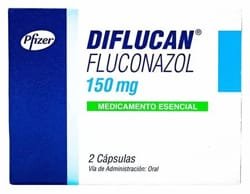
Buy Diflucan Online: Best Prices and Fast Shipping
Navigating Diflucan Dosage for Fungal Relief
Managing Common Yeast Infections
A vaginal yeast infection often arrives like an uninvited guest that refuses to leave your house. For many women, a single 150mg dose of Diflucan serves as the golden ticket to relief. This straightforward approach aims to halt the relentless overgrowth of Candida fungus within the delicate vaginal environment.
Don’t expect a miracle by lunchtime, as you won’t see results overnight. While the medication begins its work immediately, most patients find that symptoms typically subside within 24 to 72 hours. It is a slow dance of chemistry, as the drug works to restore your body’s natural equilibrium.
Sometimes, the infection is a stubborn beast that requires a second round. If symptoms persist or if you are prone to these recurring issues, a doctor might suggest a follow-up dose. For those battling chronic issues, staying ahead of the curve often involves a maintenance schedule to keep the yeast at bay.
Preventing a comeback is just as vital as fighting the initial battle. Doctors might prescribe a weekly dose for several months if you fall into a high-risk category. This proactive strategy acts like a shield, ensuring the fungus doesn’t find a foothold to start the cycle all over again.
Treating Serious Internal Infections
When the fungus migrates from the surface to deeper systems, the stakes rise significantly. For esophageal or lung candidiasis, a single pill simply won’t cut it. These more invasive infections require a marathon, not a sprint, often involving much higher daily doses over a period of weeks.
The protocol for these internal battles is quite a different beast entirely. Doctors will often prescribe a specific daily milligram amount tailored to the severity of the infection. It is a heavy-duty approach designed to penetrate deep into the tissues where the fungus hides from the light.
In the case of cryptococcal meningitis, particularly for those living with HIV, the situation is even more critical. This opportunistic infection attacks the central nervous system and demands aggressive, high-dose therapy. It is a high-wire act where precise dosing is the only way to ensure patient safety and recovery.
Managing such severe infections requires constant vigilance and medical oversight. Patients often undergo a combination of intravenous and oral treatments to ensure the medicine reaches the brain effectively. It is a complex, life-saving chess match played against a very dangerous biological opponent.
Dosage Quick Reference
Understanding your prescription can feel like learning a new language. Below is a general guide to how these dosages typically look in a clinical setting. Always remember that your healthcare provider is the ultimate authority on your specific medical needs and requirements.
| Infection Type | Typical Dosage Protocol | Duration Notes |
| Vaginal Yeast Infection | 150mg (Single Dose) | Symptoms subside in 1-3 days |
| Esophageal Candidiasis | Higher daily doses | Requires multiple days/weeks |
| Cryptococcal Meningitis | High-dose intensive therapy | Long-term management required |
Comparing Costs and Pricing for Fluconazole
Navigating the pharmacy counter can sometimes feel like walking through a financial minefield. One minute you are looking for relief, and the next, you are staring at a price tag that makes your eyes water. Understanding the gap between brand-name Diflucan and its generic counterpart is the first step toward protecting your wallet.
The brand-name Diflucan carries a certain prestige, much like a designer label, but it often comes with a hefty premium. Many patients find that the name on the box doesn’t always dictate the efficacy of the pill. In many cases, the active ingredient is identical, yet the price difference can be staggering.
Generic fluconazole is the workhorse of the antifungal world, offering a much more budget-friendly way to manage fungal issues. For those dealing with recurring infections, the cost savings of going generic can add up to a significant amount of money over a single year. It is a smart move for anyone watching their monthly expenses.
When you break it down, the price per tablet can vary wildly. A single generic pill might cost cents, while a brand-name tablet could cost several dollars. It is essential to ask your pharmacist about the price difference before you commit to the purchase at the register.
The following table provides a snapshot of how different purchasing options and quantities might impact your total expenditure.
| Option/Quantity | Estimated Cost | Primary Benefit |
|---|---|---|
| Generic Fluconazole (Single Dose) | $5 – $15 | Maximum savings for occasional use |
| Brand-Name Diflucan (Single Dose) | $40 – $100+ | Brand recognition and familiarity |
| Generic Monthly Supply (Bulk) | $20 – $45 | Best for long-term maintenance |
| Online Prescription Service | $15 – $30 | Convenience and lower overhead |
Understanding Price Fluctuations
Why does the price change even when you stay with the same pharmacy? It is a complex dance involving insurance, location, and even the time of day. Your insurance provider acts as a massive gatekeeper, often deciding whether you pay a small co-pay or the full retail price of the medication.
Insurance coverage can be a fickle friend. Some plans might categorize fluconazole as a preferred generic, making it incredibly cheap. Others might require “prior authorization,” which is essentially a bureaucratic hurdle that can delay your treatment while your doctor and insurer argue over the necessity of the drug.
Retail pharmacy pricing is another variable in the equation. A local corner drugstore might charge more for convenience, whereas a massive big-box pharmacy or a hospital-affiliated outlet might offer more competitive rates. It never hurts to shop around, even if it feels like a bit of a chore.
Don’t forget that seasonal demand and supply chain hiccups can play a role too. If there is a sudden spike in reported yeast infections, the market might tighten, causing prices to creep upward. Keeping an eye on these trends can help you time your refills more effectively.
Strategies for Long-Term Savings
If you are part of the group that needs long-term antifungal therapy, costs can become a mounting mountain of debt. For those on a maintenance schedule, the “one-off” purchase strategy is a recipe for financial disaster. You need a plan that treats your budget as seriously as your health.
One of the most effective ways to save is to request a 90-day supply rather than a 30-day one. Most pharmacies offer significant discounts for larger quantities, as it reduces the administrative work required for each refill. It is a simple win-win for both you and the pharmacist.
Comparison shopping between retail pharmacies and online prescription services is a game-changer. Many online retailers operate with much lower overhead than a physical storefront, allowing them to pass those savings directly to you. For chronic conditions, this can be the difference between staying compliant and skipping doses.
Always ask about “cash prices” if you do not have insurance. Sometimes, the cash price offered by a pharmacy—especially when using discount cards—is actually lower than your insurance co-pay. It sounds counterintuitive, but it is a trick many savvy shoppers use to keep their medical bills under control.
Safe Ways to Purchase Diflucan Online
Navigating the digital marketplace for medication can feel like wandering through a dense fog without a compass. You want your treatment, but you don’t want to stumble into a trap. It is vital to verify that a pharmacy is legitimate before handing over your credit card information.
Look for a “VIP” or “Digital Pharmacy” seal from recognized accreditation bodies. A reputable site should clearly display its physical address and a direct phone number for customer support. If a website looks like it was built in the late nineties and lacks contact details, walk away immediately. Trust your gut.
Always check if the site requires a valid prescription from a licensed healthcare provider. Any website offering to sell Diflucan without a doctor’s order is playing a dangerous game with your health. They are essentially selling contraband, and you could end up with something far more toxic than a simple fungal infection.
A legitimate online pharmacy will often have a built-in consultation process. They might connect you with a telehealth professional to review your medical history. This step ensures that the medication is actually appropriate for your specific condition, rather than just being a quick, risky transaction.
The Necessity of Valid Prescriptions
Think of a prescription as a biological roadmap for your treatment. Because Diflucan can interact with other medications you might be taking, a doctor needs to vet your profile. Taking antifungal medication without professional oversight is like driving a car without checking the brakes; you might get where you’re going, but it could end badly.
Many people try to bypass the doctor to save a few bucks, but this is a slippery slope. A physician ensures that the dosage is correct for your weight and the severity of the infection. Using the wrong amount can lead to drug resistance, making the fungus much harder to kill later on.
When you use a reputable online service, your prescription is electronically sent from your doctor to the pharmacy. This seamless handoff is a hallmark of a professional operation. It removes the “middleman” risk of losing paper slips or dealing with forged documents that can lead to legal headaches.
Remember, even if you have used Diflucan in the past, your health profile can change. A new medication for a different condition might change how your liver processes the antifungal. This is why a fresh, valid prescription is your best line of defense against adverse side effects.
Shipping, Privacy, and International Rules
When you order medication online, you probably don’t want your neighbor seeing a bright orange bottle on your porch. Most high-quality pharmacies understand the sensitive nature of treating yeast or oral infections. They offer discreet packaging that looks like any other standard parcel or envelope.
You should also keep a close eye on the clock. Shipping timelines can vary wildly depending on whether you choose standard or expedited delivery. It is wise to factor in a few extra days for processing and transit, especially if your symptoms are currently causing you significant discomfort or irritation.
If you decide to source your medication from an international vendor, be prepared for a bit of a headache. Every country has its own set of customs regulations regarding controlled substances and prescription drugs. What is legal in one country might be flagged or seized by customs in another.
Crossing borders with medication can lead to unexpected delays or even fines if the paperwork isn’t perfect. It is often much safer and faster to stick to domestic pharmacies that adhere to local laws. The peace of mind is well worth the extra few dollars in shipping fees.
To help you navigate these waters, keep this checklist in mind when evaluating a vendor:
- Does the site require a prescription from a licensed professional?
- Is there a clear, physical address and a working customer service line?
- Are the prices realistic, or are they “too good to be true”?
- Does the pharmacy offer discreet, plain packaging for your privacy?
- Are they shipping from within your country to avoid customs issues?
Managing Side Effects and Safety Precautions
Taking a new medication can feel like stepping into uncharted territory. While most people tolerate Diflucan quite well, your body might throw a little tantrum as it adjusts. It is not uncommon to experience mild discomfort, which usually settles down once your system finds its rhythm. Think of it as a temporary bumpy road on your path to recovery.
The most frequent complaints involve the digestive tract. You might notice a nagging sense of nausea or a dull ache in your abdomen. Some people report experiencing diarrhea or even a strange, metallic taste in their mouth. These symptoms are generally mild, but they can certainly dampen your mood while you are trying to rest and heal.
If these issues feel like a minor nuisance, you might find relief by taking the pill with food. However, if the stomach pain becomes sharp or the vomiting becomes frequent, do not just “tough it out.” Your body is a finely tuned instrument, and persistent discomfort is a signal that you should check in with a professional.
Recognizing Serious Red Flags
While minor nausea is a common guest, certain symptoms are unwelcome intruders that require immediate attention. The most significant concern involves your liver. Because the liver is the primary processing plant for this medication, it can sometimes become overwhelmed. Watch for signs like yellowing of the skin or eyes, which is a major warning sign.
Other serious indicators include dark-colored urine or persistent pain in the upper right side of your abdomen. These are not just “growing pains”; they are cries for help from your internal organs. If you notice these changes, stop taking the medication and contact your doctor immediately. It is better to be overly cautious than to ignore a brewing storm.
Skin reactions are another critical area of concern. A mild rash might be nothing, but a severe, blistering, or peeling rash is a medical emergency. Some rare but dangerous conditions, such as Stevens-Johnson syndrome, can manifest as skin irritation. If your skin starts looking like a map of a stormy sea, seek help right away.
Safety is a two-way street involving both the patient and the provider. Always keep a close eye on how your body responds during the first few days of treatment. Being proactive is your best defense against the rare, but serious, complications that can arise when fighting off a stubborn fungal infection.
Navigating Drug Interactions and Diet
Think of your body as a complex chemical laboratory. When you introduce Diflucan, it can disrupt the way other substances are processed. Certain medications can act like a clog in the pipes, causing levels of the antifungal to rise to dangerous heights in your bloodstream. This is why a thorough review of your current medications is vital.
Avoid mixing this treatment with certain classes of drugs, particularly those that affect your heart rhythm or other antifungal agents. Some medications can significantly increase the concentration of fluconazole, raising the risk of side effects. Always provide your doctor with a full list of everything you take, including over-the-counter supplements and herbal teas.
Dietary choices can also play a subtle role in your treatment success. While you don’t need to live on a strict regimen, being mindful of what you consume is wise. Some people find that heavy, greasy meals exacerbate nausea. Keeping things light and easy on the stomach can make the process much smoother.
Alcohol is perhaps the biggest “no-go” zone. Mixing alcohol with Diflucan can put extra strain on your liver, which is already working hard to process the medication. It is best to skip the evening cocktail until you have completely finished your course of treatment and feel back to your normal self.
| Category | What to Monitor or Avoid | Reason |
| Common Side Effects | Nausea, stomach pain, diarrhea | Typical digestive adjustment |
| Serious Warnings | Jaundice, severe skin rash, dark urine | Potential liver or skin toxicity |
| Interactions to Avoid | Certain heart and antifungal drugs | Risk of increased drug toxicity |
| Dietary Restrictions | Alcohol and heavy, greasy foods | Reduced liver strain and nausea |
If you experience any of the following, please contact your healthcare provider immediately:
- Severe or persistent abdominal pain or vomiting.
- Yellowing of the skin or the whites of your eyes.
- A skin rash, especially if it is accompanied by fever or blisters.
- Swelling in your legs, ankles, or feet.
- Unusual fatigue or a sudden loss of appetite.
Usage Scenarios for Oral Antifungals
Imagine a small, persistent intruder that refuses to leave your body. For many women, this unwelcome guest is a localized vaginal yeast infection. These infections can be incredibly uncomfortable, causing itching and irritation that disrupts your daily life. Fortunately, fluconazole acts like a specialized security team, targeting the overgrowth of Candida directly at the source.
Taking this medication by mouth is often a much simpler path than using messy topical creams. It works by stopping the yeast from multiplying, effectively cutting off its supply lines. Most people find relief quite quickly, though you should always follow your doctor’s specific dosing instructions to ensure the intruder is fully evicted from your system.
It is important to remember that while a single dose might suffice for some, others may require a short course of treatment. Think of it as a targeted strike versus a prolonged campaign. Always communicate with your healthcare provider if the discomfort lingers, as they may need to adjust your personalized treatment plan.
Sometimes, the fungus doesn’t stay localized in one spot. It can creep into the mouth and throat, causing what doctors call oral candidiasis. This often appears as white patches that can be quite painful to swallow. It feels like having a persistent, sore throat that just won’t quit, no matter how much tea you drink.
When the infection moves into the esophagus, it becomes a more significant hurdle. This version of candidiasis can make eating or drinking a genuine struggle. In these cases, the antifungal medication must work harder to reach the deeper tissues of the throat to clear the path for your normal health to return.
For individuals living with HIV/AIDS, these fungal issues can become much more serious. In these patients, the body’s natural defenses are often compromised, making them vulnerable to opportunistic infections. This is where the medication becomes a vital shield, protecting the body against more aggressive fungal invaders that take advantage of a weakened immune system.
The stakes are often higher in these scenarios. An infection that might be a minor nuisance for one person can become a life-threatening challenge for another. Because of this, medical professionals closely monitor these patients to ensure the antifungal is working effectively against the specific strains of fungus present.
Fungal issues aren’t limited to the mouth or vaginal area; they can also wander into the urinary tract. Bladder and genital fungal infections can cause burning sensations and frequent urges to urinate. It is an incredibly draining experience that can make every trip to the bathroom feel like a mountain to climb.
Treating these infections requires a steady hand and the right prescription. Whether the infection is residing in the bladder or the genital tract, the goal remains the same: eliminate the fungal colony. Proper hydration and following your prescribed regimen are your best allies in regaining your comfort and peace of mind.
It is crucial to understand the difference between a simple yeast infection and a serious systemic fungus. A simple infection is like a small leak in a pipe—it is annoying and needs fixing, but it is contained. A systemic infection is more like a flood that has breached the dam and is spreading throughout the house.
Systemic infections can impact vital organs, such as the brain or lungs, and can be life-threatening if left unchecked. For instance, cryptococcal meningitis is a serious condition that requires intense medical intervention. You cannot treat these heavy-duty systemic threats with the same casual approach used for a minor skin itch or a localized yeast issue.
Always listen to the experts if you feel something is “off” beyond simple irritation. If a fungal issue feels like it is spreading or if you experience systemic symptoms like fever or profound weakness, seek medical help immediately. Distinguishing between a minor inconvenience and a systemic emergency is the key to effective recovery.
| Infection Type | Typical Location | Severity Level |
| Vaginal Yeast | Genital tract | Localized / Mild to Moderate |
| Oral Candidiasis | Mouth and throat | Localized / Moderate |
| Cystitis/Genital Fungal | Bladder or genital area | Localized / Moderate |
| Systemic Candidiasis | Bloodstream or internal organs | Serious / High Risk |