Buy Propecia Online: Best Prices and Fast Shipping
How Propecia Works to Combat Male Pattern Baldness
Think of your body as a complex chemical factory where hormones act as the primary managers. In some men, a specific enzyme known as 5-alpha reductase runs a bit too wild. This enzyme takes testosterone and converts it into dihydrotestosterone, or DHT, which is a much more aggressive hormone that targets your hair follicles.
Propecia acts like a specialized security guard, stepping in to block that specific enzyme. By inhibiting the conversion of testosterone into DHT, the medication effectively lowers the levels of this follicle-destroying hormone. It is a biological game of “stop the signal” before the hair roots receive the command to shrink.
When DHT levels drop, the hair follicles can finally breathe. Instead of miniaturizing and eventually shutting down, the follicles remain active and productive. It is less about growing hair from nothing and more about protecting the biological machinery that keeps your hair standing tall and thick.
Targeting Specific Areas of Loss
Not all hair loss follows the same roadmap. Many men notice the retreat first at the crown, often referred to as the vertex. Propecia is specifically clinically approved to address hair loss in this area, helping to stabilize the thinning that often plagues the back of the scalp.
However, it is not a magic wand for every single hair on your head. While it works wonders on the vertex, its efficacy can vary when dealing with the anterior mid-scalp area. This distinction is vital because the pattern of hair loss is often a tug-of-war between genetics and hormones.
If you are seeing a receding hairline at the temples, the results might feel a bit different than if you are losing density at the crown. It is essentially a targeted strike against the chemical process that causes the follicles to wither away in those specific, vulnerable zones.
Finasteride vs. BPH Treatment
You might hear people mention “Proscar” or discuss finasteride in the context of prostate health. It is important to understand that the same active ingredient can wear two very different hats. While Propecia is the brand name for hair loss, finasteride also treats benign prostatic hyperplasia (BPH).
BPH is a non-cancerous enlargement of the prostate that can cause various urinary issues as men age. In that context, the medication helps reduce the size of the gland. It is a fascinating example of how one chemical mechanism can serve two completely different medical goals depending on the dosage and intent.
Despite the shared ingredient, the purpose of your prescription matters immensely. One is focused on cosmetic restoration and scalp health, while the other is focused on urological wellness. Always ensure you are using the medication exactly as your doctor has prescribed for your specific condition.
The Role of Prevention
One of the most crucial aspects of this treatment is its role in preventing further thinning. Once a follicle has completely shriveled up and died, it is incredibly difficult to bring it back to life. It is much easier to keep a door closed than it is to rebuild a wall.
By maintaining low DHT levels, Propecia works to stop the cycle of miniaturization. It acts as a shield, preventing the progressive thinning that characterizes androgenetic alopecia. If you catch the process early, the chances of maintaining your current hair density are significantly higher than waiting until the scalp is smooth.
Consistency is the name of the game here. Many users find that starting the regimen early is the key to long-term success. If you are looking into options, some generic versions of finasteride can be found online starting at roughly $16 per month, making it a relatively accessible option for many.
| Condition | Medication Focus | Common Goal |
| Androgenetic Alopecia | Propecia (Finasteride) | Vertex/Mid-scalp hair retention |
| Benign Prostatic Hyperplasia | Proscar (Finasteride) | Reduction of prostate size |
Standard Dosage and Daily Administration Protocols
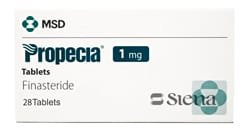
Navigating a new medical regimen can feel like stepping into uncharted waters. When it comes to Propecia, the standard protocol is remarkably straightforward but requires unwavering commitment. Most men are prescribed a single 1mg tablet to be taken once every day, usually at the same time to keep things simple.
Think of this daily pill as a rhythmic tide that keeps the DHT levels in check. If you skip days, you are essentially letting the waves crash against your hair follicles without any protection. To see the best results, you need to treat this like a daily habit, much like brushing your teeth or taking a morning vitamin.
It doesn’t matter if you take it with food or on an empty stomach, but consistency is the absolute king of this process. Missing doses can cause those hormone levels to fluctuate, potentially undoing the hard work your follicles have put in. It is a marathon, not a sprint, so stay the course.
While the medication is highly effective for many, it is not a “one size fits all” solution for every person. Some men might find that they need to monitor their progress closely during the first few months. Always follow the specific instructions provided by your healthcare provider to ensure the best outcome.
Safety Precautions and Demographic Restrictions
There is a very clear line drawn when it comes to who should use this medication. Propecia is strictly FDA-approved for use in men only. Because it works by altering hormonal pathways, it is absolutely not intended for use by women or children. This is a non-negotiable safety standard.
For women, especially those who are pregnant or may become pregnant, the risks are significant. If a woman touches a broken pill that has been handled by a man, there is a potential for absorption. Because of this, it is vital to keep all medication out of reach of children and sensitive individuals.
The biological impact on a developing fetus is a serious concern that medical professionals take very seriously. It is not just a matter of “avoiding” it; it is a matter of strict safety protocols. If you are a woman of childbearing age, your doctor will likely discuss alternative hair loss treatments.
Always keep your prescriptions in a secure place. Treating these pills with the respect they deserve prevents accidental exposure. Safety is the foundation of any successful long-term treatment plan, especially when dealing with substances that influence the body’s delicate endocrine system.
Monitoring Side Effects and Wellness
Like any potent medication, Propecia can bring some unwanted guests along for the ride. While many men experience no issues at all, some report changes in sexual drive or physical function. It is important to keep a close eye on how your body reacts during the initial weeks.
If you notice any persistent mood changes or feelings of depression, do not simply ignore them. Your mental well-being is just as important as your hair density. If things feel “off,” reach out to your doctor immediately. They can help you navigate these changes or adjust your plan.
Keep a simple log of how you are feeling each week. This can be a lifesaver when you sit down for your follow-up appointment. It helps move the conversation from “I think I feel different” to “I noticed this specific change on Tuesday,” which is much more helpful for your physician.
Monitoring your health is a proactive step toward long-term success. You aren’t just managing hair; you are managing your overall systemic health. Being an active participant in your medical journey ensures that you get the benefits of the treatment while minimizing any potential risks.
Below is a comparison of various ways to access finasteride treatments based on monthly costs.
| Option Type | Monthly Cost (Approx.) | Primary Benefit |
|---|---|---|
| Generic Finasteride (Online) | $16 | Most affordable option |
| Brand Name Propecia | $50 | Trusted brand name |
| Subscription Services | $35 | Convenient delivery |
Comparing Propecia to Minoxidil and Other Treatments
Navigating the landscape of hair restoration can feel like wandering through a dense fog without a compass. You might encounter various solutions, but they do not all play by the same rules. Some act as external shields, while others work deep within your body’s internal chemistry to stop the damage before it starts.
The most common point of confusion arises when comparing topical Minoxidil to oral Propecia. Think of Minoxidil as a fertilizer applied directly to the soil; it stimulates blood flow to the area to encourage growth. It is a localized, topical approach that focuses on the scalp surface rather than the underlying hormonal cause.
Propecia, however, is a systemic powerhouse. Instead of just painting the surface, it enters your bloodstream to tackle the root of the problem: DHT. While Minoxidil tries to wake up sleepy follicles, Propecia works to prevent them from shrinking in the first place. They are fundamentally different tools for different jobs.
The Mechanism of Action
Finasteride stands in a league of its own when compared to many other over-the-counter options. Most topical solutions simply attempt to prolong the life of a hair cycle. They are essentially trying to keep a dying flame burning a little bit longer through external stimulation and increased circulation.
Finasteride is much more aggressive in its strategy. It works by inhibiting the 5-alpha reductase enzyme, which is the primary culprit in converting testosterone into dihydrotestosterone (DHT). By blocking this specific biological pathway, it strikes at the very heart of androgenetic alopecia, making it a proactive rather than just a reactive treatment.
Because it targets the hormonal driver, it addresses the biological “why” behind male pattern baldness. This makes it a cornerstone of medical hair restoration. Many men find that while other products offer a slight boost, nothing quite matches the heavy lifting done by an oral DHT blocker.
It is important to note that finasteride is not just for hair; it is also used to treat benign prostatic enlargement. This versatility highlights how deeply it interacts with your body’s hormonal signaling. This systemic reach is exactly what makes it so effective, but also why it requires professional medical supervision.
The Power of Synergistic Approaches
Sometimes, using just one tool isn’t enough to win the battle. Many men find that a “dual-threat” strategy yields the best results. This often involves combining the hormonal protection of Propecia with the growth stimulation of Minoxidil, creating a pincer movement against hair loss.
Imagine you are trying to protect a garden. Propecia acts like a fence that keeps the pests away, while Minoxidil acts like the sunlight and water that helps the plants thrive. One stops the destruction, while the other encourages the most robust growth possible through topical application.
This combination is frequently recommended because it addresses both the cause and the symptoms. While one medication prevents further miniaturization of the follicles, the other helps maximize the density of the hair that remains. It is a holistic way to approach a multi-faceted problem.
However, this “stacking” method should always be done under the guidance of a doctor. While the synergy can be powerful, it also increases the complexity of your regimen. You must weigh the potential for enhanced results against the increased cost and the need for careful monitoring of your health.
Below is a breakdown of how these different treatment philosophies compare in terms of their primary focus.
| Treatment Type | Primary Action | Delivery Method |
| Minoxidil | Stimulates blood flow/growth | Topical (Liquid/Foam) |
| Propecia (Finasteride) | Blocks DHT hormone | Oral (Pill) |
| Combined Therapy | Prevents loss + stimulates growth | Both Topical and Oral |
Current Market Pricing and Cost Analysis
Navigating the financial landscape of hair restoration can often feel like walking through a thick fog. When you first look at the price tag for the brand-name Propecia, the numbers might make you blink twice. It is the “name brand” luxury option, often carrying a premium because of the extensive marketing and research behind the original formula.
However, the market has evolved significantly, much like how generic aspirin became a staple in every medicine cabinet. Many men are finding that they don’t need to pay the “brand name tax” to achieve their goals. The core active ingredient remains exactly the same, providing the same biological defense against DHT without the hefty markup.
Choosing between the two is often a battle between brand loyalty and your monthly budget. Some prefer the peace of mind that comes with the original manufacturer’s packaging, while others view it as an unnecessary expense. Ultimately, the choice comes down to whether you value the label or the actual chemical efficacy of the pill.
If you are looking at the bottom line, the price gap can be quite startling. While Propecia sits at a higher tier, generic finasteride offers a much more accessible entry point for those managing a long-term regimen. It is a crucial distinction for anyone planning to stay on the medication for years to come.
Comparing Brand-Name vs. Generic Costs
Think of it like buying coffee. You can head to a high-end boutique cafe and pay a premium for the experience and the logo on the cup. Or, you can buy the exact same quality of beans from your local grocer. Both will wake you up in the morning, but one leaves more change in your wallet.
Generic finasteride is the “grocery store” version of the medication. It is chemically identical in its ability to block the enzymes responsible for hair thinning. Because there is no massive marketing budget to recoup, the cost per pill drops significantly. This makes a massive difference when you are looking at a multi-year commitment.
In terms of raw numbers, the disparity is quite clear. While specific pharmacy prices fluctuate based on your location and insurance, the trend is consistent. Many patients find that switching to generic versions allows them to maintain their treatment without it becoming a heavy financial burden on their monthly household budget.
The following table provides a simplified look at how these options generally stack up against one another in the current market:
| Option | Price Category | Primary Driver of Cost |
| Propecia (Brand) | Premium | Manufacturer Branding & R&D |
| Finasteride (Generic) | Budget-Friendly | High-volume Manufacturing |
Monthly Expenses and Long-Term Budgeting
For many, the most important number is the monthly commitment. You can actually find generic finasteride options starting at just $16. This low entry point is a game-changer for those who are just beginning their hair restoration journey. It allows you to test the waters without a massive upfront investment.
However, it is important to look beyond just the first month. Hair loss treatments are rarely a “one and done” solution; they are a marathon, not a sprint. If you are planning to use this medication for a decade, those small monthly costs will eventually add up to a significant sum of money.
Several factors can cause your total price to drift over time. Shipping fees, changes in pharmacy pricing, and even the number of pills per bottle can shift your math. It is vital to calculate your “total cost of ownership” for your hair health to avoid any nasty surprises in your bank statement.
Consider these variables when planning your long-term financial strategy:
- Prescription Refills: The frequency of your doctor visits and refill cycles.
- Pharmacy Selection: Retail pharmacies versus specialized online providers.
- Quantity Discounts: Buying a three-month supply versus a single month.
- Shipping Costs: The hidden price of getting your pills delivered to your door.
Managing Costs with Discount Programs
If the price of a prescription feels like a mountain you can’t climb, don’t lose hope just yet. There are several ways to hack the system and lower your out-of-pocket expenses. Using discount programs is a smart move that many savvy patients use to keep their healthcare costs under control.
Services like GoodRx have revolutionized how we approach prescription pricing. By using these platforms, you can often find prices that are significantly lower than what a standard insurance co-pay might be. It is a digital way to shop around and ensure you are getting the best deal available.
Sometimes, the “sticker price” at your local pharmacy is just a starting point for negotiation. Many people find that using a coupon or a manufacturer discount can shave a significant amount off the total. It takes a little bit of extra legwork, but it is well worth the effort for the savings.
In the grand scheme of things, managing your expenses is just as important as managing your hair. By being proactive with discounts and choosing generic options, you turn a potentially expensive medical necessity into a manageable part of your lifestyle. It is all about working smarter, not harder, with your money.
How to Secure a Prescription and Order Online
Navigating the digital pharmacy landscape can feel like walking through a minefield. You aren’t just looking for a pill; you are seeking a legitimate medical gateway. To get a valid prescription, you must first undergo a consultation, which is often handled via telehealth. This ensures a licensed professional reviews your medical history before signing off on your treatment.
The process has become incredibly streamlined in recent years. Instead of sitting in a sterile waiting room, you can chat with a provider via video or secure messaging. They will ask about your hair loss patterns and any underlying health concerns. Once they determine that Propecia or its generic counterpart is appropriate, your prescription is sent directly to your chosen pharmacy.
It is vital to remember that you cannot simply “add to cart” like you would a pair of shoes. A legitimate provider will never sell you finasteride without a consultation. If a website promises to ship medication without any medical oversight, consider that a massive red flag. Such sites are often operating outside the bounds of legal and safe medical practices.
Once the doctor gives the green light, the real logistics begin. You will need to decide whether you want to use your local brick-and-mortar pharmacy or a specialized online service. Both have their merits, but the digital route often offers more competitive pricing and the convenience of doorstep delivery, which can be a lifesaver for busy professionals.
Evaluating Reputable Online Pharmacies and Telehealth Services
Not all digital pharmacies are created equal, and cutting corners can lead to serious headaches. To find a trustworthy partner, look for the “VIPPS” accreditation or similar regulatory seals on their website. These markers indicate that the pharmacy meets rigorous standards for safety and quality, ensuring you aren’t buying from a “rogue” operation.
Telehealth services are the modern way to bridge the gap between your couch and a doctor’s office. When vetting these services, check for transparent pricing. You should know exactly what the consultation fee is versus the cost of the medication itself. Hidden fees are like a sudden leak in a boat; they can sink your budget before you even get started.
Read the fine print regarding their medical staff. A reputable service will clearly state that their practitioners are licensed in your specific state or region. This isn’t just a formality; it is your primary protection. It ensures that the person reviewing your health data is actually qualified to provide medical advice and prescriptions.
A good rule of thumb is to look for services that offer integrated care. This means the telehealth platform and the pharmacy are either the same entity or are deeply connected. This seamlessness makes managing refills much easier, preventing that dreaded moment when you realize your last pill has vanished just as you’re running low.
Understanding Shipping Timelines and Discreet Packaging Options
When you finally pull the trigger on an order, timing becomes the name of the game. Most reputable online pharmacies offer several tiers of shipping. You might see an option for standard ground shipping, which is budget-friendly but slow, or expedited options if you are in a pinch. Always check the estimated arrival date before checking out.
Privacy is a major concern for many men dealing with hair loss. You might not want a giant box labeled “HAIR LOSS TREATMENT” sitting on your porch for anyone to see. Fortunately, most high-quality providers use discreet packaging. This means the outer box is plain, unmarked, and looks like any other routine household delivery.
The packaging should be sturdy enough to survive the journey. You don’t want your medication arriving in a crushed box or a flimsy envelope. A well-packaged order is a sign of a pharmacy that respects both your product and your privacy. It provides peace of mind from the moment you click “order” until the package arrives.
Keep an eye on your tracking number. A legitimate pharmacy will provide you with a way to monitor your package’s progress in real-time. If a company refuses to provide tracking or leaves you in the dark, you might want to reconsider where you are spending your hard-earned money. Transparency is a hallmark of professional service.
Verification Steps to Ensure Medication Authenticity and Safety
Even with a prescription in hand, you must be your own advocate. When your package arrives, the first step is a visual inspection. Check the seal on the bottle immediately. If it looks tampered with or the safety ring is broken, do not consume the contents. It is better to be cautious than to take a risk with unverified pills.
The medication itself should look consistent with what you were expecting. If the pills are crumbling, have an unusual odor, or look significantly different from previous batches, contact your pharmacist. Authenticity is paramount because counterfeit drugs can be ineffective or, worse, contain dangerous impurities that could harm your health.
You can also use the following checklist to ensure everything is in order:
- Check the Expiration Date: Never use medication that has passed its prime.
- Verify the NDC Number: The National Drug Code should match your prescription.
- Inspect the Seal: Ensure the tamper-evident packaging is intact.
- Confirm the Dosage: Make sure the milligram strength matches your doctor’s orders.
Finally, always keep your receipts and order confirmations. If something goes wrong, you will need this paper trail to resolve the issue with your insurance or the pharmacy. It might seem like a lot of legwork, but it is the best way to ensure your hair restoration journey stays on a safe and steady path.