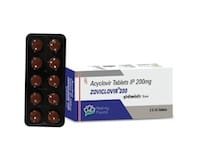
Buy Aciclovir Online for Fast Relief and Best Prices
Common Uses and Viral Targets
Think of the Herpes Simplex Virus (HSV) as a persistent trespasser trying to rewrite your body’s biological blueprint. When the virus enters a cell, it attempts to replicate its DNA rapidly. Aciclovir acts like a faulty piece of code in a computer program, effectively tripping up the machinery before the virus can multiply.
The drug works by masquerading as a building block of DNA. Once the virus’s own enzymes mistake aciclovir for a real piece of genetic material, the process hits a dead end. It is like trying to build a brick wall, but every tenth brick is actually a sponge that stops the mortar from setting.
By halting this replication process, the medication prevents the virus from spreading to neighboring healthy cells. It doesn’t quite kick the virus out of the house entirely, but it certainly keeps it locked in a room, preventing a full-blown riot throughout your system. It is a tactical strike against viral growth.
This mechanism is particularly vital for managing the heavy lifting required during an active outbreak. Without this intervention, the viral load can skyrocket, leading to more severe symptoms and a longer recovery period. It essentially puts the brakes on a runaway train before it causes significant damage to your tissues.
Managing Shingles and Chickenpox
When Varicella zoster makes its unwelcome appearance, it often manifests as the painful, blistering rash we call shingles. For those who have lived with the dormant virus, a sudden flare-up can feel like a hot poker pressed against the skin. Aciclovir steps in to dampen that fiery intensity.
By targeting the Varicella zoster virus, the medication helps reduce the duration of the rash and the severity of the associated nerve pain. It is not a magic wand that makes the pain vanish instantly, but it significantly shortens the time you spend feeling under the weather during a flare-up.
In the case of chickenpox, the medication is often used to manage the symptoms and help the body fight back more efficiently. While doctors might use it differently depending on the patient’s age or health status, the goal remains the same: limiting the viral spread and easing the discomfort of the itchy, weeping lesions.
It is worth noting that while some clinicians discuss its use for post-exposure prophylaxis regarding varicella zoster, it is not currently licensed for that specific purpose. Always follow your doctor’s lead, as they weigh the benefits against your specific medical history and the urgency of the potential exposure.
Addressing Oral and Genital Herpes
Cold sores are a common nuisance, often popping up right before a big event or a stressful week. These oral lesions can be incredibly frustrating and socially awkward. Applying aciclovir cream can nip the problem in the bud, helping to soothe the area and speed up the healing of the sore.
For those dealing with genital herpes, the situation is often more significant and can impact personal relationships and self-esteem. Aciclovir is FDA-approved to treat genital herpes, offering a reliable way to manage outbreaks. It helps reduce the frequency of these episodes, making daily life much more manageable.
Eye infections caused by the herpes simplex virus are a different matter entirely and require immediate attention. If left untreated, the virus can threaten your vision by causing inflammation in the cornea. Using aciclovir in these cases is a critical step in protecting your precious sight from permanent damage.
Whether it is a small bump on the lip or a more serious systemic infection, the versatility of this antiviral is its greatest strength. It targets the root of the problem, ensuring that the viral “copy-paste” mechanism is broken before it can do widespread havoc across your mucous membranes or skin.
| Condition | Common Application | Target Virus |
| Cold Sores | Topical Cream or Oral | Herpes Simplex (HSV) |
| Shingles | Oral Medication | Varicella Zoster |
| Genital Herpes | Oral Medication | Herpes Simplex (HSV) |
| Eye Infection | Specialized Treatment | Herpes Simplex (HSV) |
Dosing Protocols and Administration
Taking medication correctly is like following a recipe; if you skip a step or mess up the timing, the whole thing can fall apart. When it comes to aciclovir, the way you take it can be the difference between a quick recovery and a lingering, uncomfortable ordeal. It is vital to stick to the script provided by your healthcare professional.
For many patients, the 800mg tablet regimen is a common approach for managing certain viral flare-ups. This higher dosage is often intended to provide a strong punch to the infection, ensuring the virus finds it difficult to replicate. Think of it as deploying a heavy-duty containment unit to stop a breakout before it gains any real momentum.
However, you shouldn’t just grab these tablets and start swallowing them without guidance. The frequency depends heavily on what you are fighting. A dose that works for a simple cold sore might be completely inadequate for a more systemic issue like shingles. Always check your prescription label to ensure you aren’t under-treating or over-treating your condition.
Methods of Delivery and Frequency
Aciclovir isn’t a “one size fits all” solution in terms of how it enters your body. You might find yourself applying a topical cream directly to a sore on your lip, or you might be swallowing pills to fight an infection from the inside out. Both methods serve different masters and require distinct approaches for maximum effectiveness.
Topical application, such as using a cream, is a localized strike. It is most effective when applied right at the first sign of a tingling sensation, often before a visible blister even appears. It is a bit like putting out a spark before it turns into a kitchen fire; if you wait until the flames are high, the cream’s impact is significantly lessened.
Oral administration, on the other hand, is a systemic campaign. When you swallow a tablet, the medication travels through your bloodstream to reach various tissues. This is necessary for infections like genital herpes or shingles, where the virus might be lurking in the nerve endings rather than just sitting on the surface of your skin.
The timing of your doses is equally critical to achieving maximum viral suppression. Missing a dose is like leaving a gap in a defensive line; it gives the virus a window to attempt a breakout. For many regimens, the medication must be taken several times a day to keep a steady level of the drug in your system.
- Oral Tablets: Systemic treatment for internal or widespread viral activity.
- Topical Creams: Localized treatment for surface-level lesions and cold sores.
- Eye Ointments: Specialized application for ocular herpes to protect vision.
Managing Genital Herpes Outbreaks
Dealing with a genital herpes outbreak can feel like an emotional rollercoaster. The physical discomfort is often accompanied by a heavy sense of anxiety. To manage this effectively, aciclovir is typically prescribed in a way that targets the virus aggressively during the most acute phase of the outbreak.
During an active flare-up, the goal is to reduce the pain and speed up the healing of lesions. Doctors often recommend a specific course of oral tablets to be taken multiple times a day. This approach aims to blunt the viral load, making the symptoms less intense and helping your immune system regain control of the situation.
For those who experience frequent, recurring episodes, your doctor might suggest a suppressive therapy. This involves taking a lower dose of aciclovir daily to prevent the virus from ever making its “grand entrance” into the skin. It is a long-term strategy designed to give you peace of mind and significantly reduce the frequency of outbreaks.
It is essential to remember that even with consistent medication, you must practice safe practices to prevent transmission. Medication reduces the viral shedding, but it isn’t a total shield. Think of it as a sturdy umbrella in a storm; it keeps you mostly dry, but you still need to be careful where you step.
Below is a comparison of common treatment options and their estimated market costs for your reference.
| Treatment Plan Type | Primary Benefit | Estimated Cost |
|---|---|---|
| Acute Outbreak (Oral) | Rapid symptom relief | $45 |
| Suppressive Therapy (Monthly) | Prevents future flares | $120 |
| Topical Cream (Short Course) | Local lesion healing | $25 |
| Specialized Eye Treatment | Vision protection | $65 |
Market Pricing and Cost Factors
Navigating the pharmacy aisle can feel like walking through a financial minefield. You might expect a simple prescription to cost a handful of pocket change, but the reality often depends on whether you are reaching for a brand-name staple or a budget-friendly alternative. Understanding these price fluctuations is essential for managing your long-term wellness without breaking the bank.
When it comes to generic Aciclovir tablets, the price is generally quite reasonable. Most patients can expect to pay between $10 and $30 for a standard prescription refill, depending on the dosage. These generics are the workhorses of the antiviral world, providing the same active ingredient as the expensive versions but at a fraction of the cost.
If you decide to stick with the brand name Zovirax, prepare for a significant jump in your total bill. Brand-name drugs carry a premium for their marketing and original patent history, often costing $100 to $200 or more for the same quantity of medication. It is a classic case of paying for the label rather than the chemistry itself.
For many, the choice between Zovirax and a generic is a tug-of-war between brand loyalty and financial pragmatism. While some swear by the brand name, the therapeutic equivalence of generic Aciclovir means you can often achieve the same clinical results while keeping your wallet significantly heavier at the end of the month.
Comparing Delivery Methods and Costs
The way you apply the medicine can drastically shift your spending habits. Topical creams, which are excellent for targeted relief on cold sores, often sit in a middle ground regarding price. You might find a small tube of cream ranging from $15 to $40 depending on the manufacturer and the specific pharmacy location.
Oral pills generally offer a more cost-effective route for systemic issues like shingles or genital herpes. Because they are produced in massive quantities worldwide, the economy of scale works heavily in your favor. You will often find that a large bottle of oral tablets is cheaper per dose than a single small tube of cream.
It is helpful to view these different forms as different tools in a medical toolkit. A cream is a precision instrument for surface issues, while pills are the heavy artillery for internal battles. Each has its own price tag, and knowing which one you actually need can prevent unnecessary spending on the wrong format.
When shopping, keep an eye on the “unit price” if your pharmacy provides it. Sometimes, a larger supply of tablets might seem expensive upfront, but the price per pill is much lower. This is particularly true for those who require a steady supply to manage recurring viral outbreaks over several months.
Insurance and Budgeting for Long-Term Care
Your insurance provider plays a massive role in what you ultimately pay at the register. Some plans treat generic Aciclovir as a “Tier 1” drug, meaning your copay might only be a few dollars. However, if you insist on a brand-name version, you might find yourself facing a much higher deductible or a larger coinsurance percentage.
Pharmacy pricing is also subject to the whims of local supply and demand. During seasonal peaks, such as when chickenpox or shingles cases rise, local stock levels can fluctuate. It never hurts to call a few different pharmacies to compare prices, as some may offer better discounts for cash-paying customers.
If you are transitioning into suppressive therapy, budgeting becomes a marathon rather than a sprint. Since you may be taking a daily dose for months or even years, those small daily costs can add up. It is wise to talk to your doctor about bulk prescriptions to minimize the frequency of trips to the pharmacy.
Managing the financial side of chronic viral management requires a bit of foresight. By choosing generics, checking your insurance coverage early, and planning for long-term refills, you can ensure that your medical treatment remains a manageable part of your lifestyle rather than a heavy financial burden.
- Generic Tablets: Most affordable option, ideal for systemic treatment.
- Brand-Name (Zovirax): Higher cost due to brand recognition.
- Topical Creams: Mid-range pricing, best for localized lesions.
- Suppressive Therapy: Requires long-term budgeting for daily use.
Purchasing and Procurement Logistics
Navigating the Pharmacy Landscape
Finding a reliable source for your medication is like searching for a steady compass in a stormy sea. You should always prioritize legitimate, licensed pharmacies that require a valid prescription from a healthcare provider. Avoid any vendor that promises to ship Aciclovir without a doctor’s note, as these “no-prescription” sites often peddle counterfeit or contaminated products.
Local retail pharmacies are the gold standard for immediate needs. If you feel the sudden sting of a cold sore or shingles, walking into a neighborhood drugstore ensures you get authentic medicine instantly. While you might pay a slightly higher premium, the peace of mind regarding product safety is worth every penny of that extra $5 or $10.
Online pharmacy services offer a convenient alternative, especially for those managing long-term suppressive therapy. Many reputable digital platforms allow you to upload your prescription and have medication delivered to your doorstep. It is a modern solution for a busy life, but you must ensure the website is verified by regulatory bodies to avoid digital pitfalls.
When comparing your options, think about the “total cost of acquisition.” A local pharmacy might seem more expensive at first glance, but you save on shipping fees. Conversely, an online provider might offer a bulk discount that makes the price per pill much lower. Weighing these factors helps you make a decision that fits both your health and your budget.
Shipping and Authenticity Safeguards
Once you hit that “order” button, the clock starts ticking on your delivery timeline. Local pickup is instantaneous, but shipping can vary wildly. Standard domestic shipping usually takes three to five business days, while international orders can get stuck in customs for weeks. Always check the tracking number to ensure your antiviral shipment isn’t lost in transit.
For sensitive medications, consider the environmental factors of shipping. While Aciclovir is relatively stable, extreme heat or freezing temperatures during transit can occasionally impact the integrity of some formulations. Opting for tracked, insured shipping provides a safety net, ensuring that if a package goes missing, you aren’t left empty-handed during an outbreak.
Verifying the authenticity of imported medications is a high-stakes game. If you are sourcing from overseas to save money, look for tamper-evident seals and clear expiration dates. If a pill looks different from your previous batch, or if the packaging feels flimsy, do not hesitate to contact your doctor. It is better to be cautious than to ingest an unknown substance.
Many patients use the “serial number check” method for imported goods. Legitimate manufacturers include specific batch numbers on every box. If an online vendor cannot provide detailed product information or batch tracking, consider it a major red flag. Never take a shortcut when it comes to the chemistry that manages your viral infections.
Regional Regulations and Prescriptions
The legal landscape for Aciclovir changes as soon as you cross a border. In many regions, this medication is strictly controlled and requires a physician’s authorization due to its potency. You cannot simply buy it like a bottle of vitamins; you must navigate the specific legal framework of your current residence to remain compliant.
Understanding regional prescription requirements can save you a massive headache. For example, some countries may accept a digital prescription from a foreign doctor, while others demand a local physician’s signature. It is wise to consult with a local pharmacist before attempting to import medication to ensure you aren’t violating any local drug laws.
If you are traveling, always carry a copy of your prescription in your carry-on luggage. This acts as your “get out of jail free” card if customs officials question your supply of antivirals. It is a small step that prevents significant travel delays and ensures you stay protected while exploring new territories.
Ultimately, the logistics of procurement are about balancing speed, legality, and cost. Whether you are standing in a local aisle or clicking through a secure web portal, always verify the credentials of your provider. A little bit of homework today prevents a massive medical headache tomorrow.
| Procurement Method | Typical Delivery Time | Verification Requirement | Estimated Cost Variance |
| Local Retail | Immediate | Physical Prescription | Baseline ($) |
| Domestic Online | 3-7 Days | Digital Prescription | Low ($) |
| International Online | 14-30 Days | Complex/Varies | Lowest ($) |
Comparative Analysis of Formulations
Choosing between a cream and a tablet is often like deciding between a band-aid and a full systemic repair. If a cold sore is just a tiny nuisance on your lip, a topical cream might be your best friend. It acts locally, targeting the virus right where it is causing trouble, providing a sense of immediate, focused relief.
However, do not let a little cream fool you into thinking it is a silver bullet for everything. While creams are convenient for surface-level issues, they often struggle to reach the deeper “roots” of a viral outbreak. If you feel that familiar, tingling itch spreading across your skin, a tablet might be the heavy hitter you actually need.
Oral tablets work their way through your bloodstream to fight the virus from the inside out. This systemic approach is generally more effective for preventing the virus from replicating further. It is the difference between putting out a small campfire with a cup of water and using a professional fire hose to stop a forest blaze.
When the stakes are high, the choice becomes clear. If you are dealing with a widespread outbreak or a particularly stubborn lesion, systemic treatment is the gold standard. Relying solely on topical application during a severe flare-up can feel like trying to empty the ocean with a teaspoon.
Topical versus Systemic Strategies
The decision often hinges on the “territory” the infection has claimed. For a localized cold sore that is just beginning to appear, a topical cream can be a lifesaver. It provides a physical barrier and a concentrated dose of medicine exactly where the skin is irritated and sensitive.
On the other hand, systemic treatment is a different beast entirely. When the infection is more aggressive, such as shingles or a widespread genital herpes outbreak, a cream simply won’t cut it. You need the medicine to circulate through your entire system to keep the viral replication in check.
Think of it as a tactical strike versus a full-scale campaign. Topical relief is a tactical strike—quick, localized, and efficient for small targets. Systemic treatment is a full-scale campaign designed to regain control over a much larger and more dangerous area of the body.
Medical professionals often suggest that if you see the “aura” or tingling sensation, you shouldn’t wait. Starting an oral dose early can often prevent the lesion from ever fully blooming. It is all about playing offense rather than playing defense when the virus makes its move.
Navigating Brand Names and Delivery Methods
Walking down the pharmacy aisle can feel like navigating a labyrinth of confusing labels. You might see Cymex Ultra, Virasorb, or the classic Zovirax. While they all contain the same active ingredient, the delivery systems and price points can vary significantly depending on the manufacturer.
For instance, a tube of high-quality cream might cost you around $15 to $25, providing ease of use for a single localized spot. Meanwhile, a prescription for a 400mg tablet might run anywhere from $10 to $40 depending on the quantity and your insurance coverage. It is a balancing act of convenience and cost.
Delivery methods also change the experience of treatment. Creams require frequent application, which can be messy and sometimes uncomfortable if the skin is broken. Tablets are much “cleaner” to manage, but they require a more disciplined schedule to ensure the blood concentration remains steady and effective.
Ultimately, the “best” brand is the one that fits your lifestyle and the severity of your condition. Don’t get caught up in brand loyalty if a generic version offers the same therapeutic benefit. Always check the active ingredient list to ensure you are getting the potency you actually need.
| Formulation Type | Best For | Ease of Use | Approx. Price Range |
| Topical Cream | Localized cold sores | Moderate (Frequent application) | $15 – $25 |
| Oral Tablet | Severe or systemic outbreaks | High (Simple swallowing) | $10 – $40 |
| Ointment | Dry, cracked lesions | Low (Can be messy) | $12 – $30 |
Safety Profiles and Contraindications
Red Flags and When to Avoid Treatment
Before you reach for that pill bottle, it is vital to check if your body is ready for the fight. If you have a known hypersensitivity to the active ingredient, taking this medication is like pouring gasoline on a small fire. You must avoid it if you have experienced any previous allergic reactions to similar antiviral drugs.
Sometimes, the medicine might not be the right tool for every individual’s unique biological makeup. Doctors often advise caution if you have a history of severe renal impairment. Because your kidneys are the primary exit route for this drug, any underlying dysfunction can cause the medication to linger too long in your bloodstream.
It is also wise to pause and consult a professional if you are planning to embark on a journey of pregnancy or breastfeeding. While the data is extensive, the “safety first” rule applies here. You wouldn’t drive a car without checking the brakes, so don’t start a new medication without a thorough medical green light.
Lastly, pay attention to how your body reacts during the first few doses. If you notice a sudden rash, swelling, or difficulty breathing, stop immediately. These aren’t just minor inconveniences; they are your body’s way of shouting that something is wrong. Always err on the side of caution when it comes to systemic medications.
Common Side Effects and Adverse Reactions
Most people find that the journey through treatment is relatively smooth sailing. However, no ship travels without a bit of turbulence. The most common complaints are often digestive in nature, such as a mild upset stomach or even nausea. It is as simple as a temporary hiccup in your daily routine as your body adjusts.
Some users might experience a bit of “brain fog” or lightheadedness, though this is less frequent. In rare cases, more serious neurological symptoms can emerge, such as confusion or tremors. If you feel like you are walking through a thick mist, it is time to call your doctor immediately rather than waiting it out.
When using topical versions, the skin itself might protest. You might notice redness, itching, or a slight burning sensation at the application site. This is often just the skin reacting to the medicine, but if it becomes painful or blistering, the cream is clearly not your friend.
Keep a close eye on your hydration levels throughout the course of your treatment. Dehydration can significantly increase the risk of side effects, particularly concerning your kidney function. Drinking plenty of water is like keeping the engine well-oiled; it keeps everything running smoothly and helps flush out the byproducts.
Interactions and Population Precautions
Taking multiple medications can sometimes lead to a “traffic jam” in your metabolic pathways. For example, certain medications like probenecid can slow down how your body gets rid of the drug, effectively raising its levels in your blood. This can turn a standard dose into something much more potent than intended.
Kidney health is the cornerstone of safe usage. If your kidneys are not functioning at 100%, the drug can accumulate, reaching levels that might be toxic. This is why doctors often adjust the dosage based on your creatinine levels. Think of it as adjusting the speed limit based on the weather conditions.
Specific populations, such as the elderly or those with existing chronic illnesses, need a more delicate touch. Their systems might not process the medication with the same vigor as a young, healthy adult. It is not about being overly cautious; it is about being precise and tailoring the treatment to the individual.
If you are currently taking other drugs for complex conditions, always provide your doctor with a full list. Even common over-the-counter supplements can sometimes throw a wrench into the works. Being transparent with your healthcare provider is the best way to ensure your treatment is both safe and effective.
Licensed Versus Off-Label Usage
In the medical world, there is a distinct line between “licensed” and “off-label” use. Licensed uses are the “official” ways the drug is approved for, such as treating genital herpes or shingles. These have been rigorously tested and validated by regulatory bodies to prove they do exactly what they claim.
However, doctors sometimes use the drug “off-label.” This means they prescribe it for a condition that isn’t explicitly listed on the official label but has strong scientific backing. For example, while it might be used for post-exposure prophylaxis of varicella zoster, this specific use is not officially licensed.
Think of licensed use as the highway—it’s well-marked, paved, and predictable. Off-label use is more like a scenic backroad; it might get you to your destination, but the path is less strictly regulated and relies heavily on the expertise of the “driver,” or in this case, your physician.
It is important to understand that off-label use is common and often based on significant clinical evidence. However, it does mean the specific application hasn’t gone through the exact same regulatory hurdles as the primary indications. Always ask your doctor why they are choosing a specific route for your treatment.