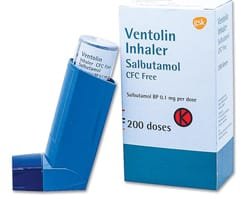
Buy Ventolin Online for Fast Asthma Relief
How Ventolin Works During an Asthma Attack
Imagine your airways are like narrow garden hoses that suddenly get squeezed by an invisible hand. During an asthma attack, the muscles surrounding your bronchial tubes tighten up in a frantic spasm. This physiological hiccup makes every breath feel like you are trying to inhale through a tiny, pinched straw. It is a terrifying sensation, often described as a heavy weight pressing against the chest.
This is where Ventolin, or albuterol, steps in to save the day. It acts as a rapid-acting bronchodilator, meaning it gets to work almost instantly. When you inhale the mist, the medication travels straight to the source of the trouble. It doesn’t just sit there; it actively hunts down the tension causing your breathing to falter.
Think of it as a master key that unlocks a jammed door. The medication targets specific receptors in the smooth muscles of the lungs. Once these receptors are activated, they send a signal to relax. It is a chemical “all clear” that tells the body to stop the tightening and let the air flow freely once again.
Within a few minutes, the sensation of tightness begins to dissipate. You might feel a slight tremor or a racing heart, which is quite common. This is simply the medicine doing its job, stimulating the nervous system to prioritize opening those airways. It is a physiological trade-off that most patients find well worth the temporary jitters.
The Biological Mechanism of Relief
To understand the magic, we have to look at the beta-2 adrenergic receptors tucked away in your lung tissue. These receptors are like tiny docking stations waiting for a specific signal. When Ventolin enters the scene, it binds to these stations with incredible precision. This binding is the spark that ignites the relaxation process within the lung’s architecture.
Once the medication docks, it triggers a cascade of internal cellular events. The smooth muscles, which were previously clamped shut, begin to unwind. This process is incredibly efficient, turning a suffocating struggle into a rhythmic, steady flow of oxygen. It is essentially a biological reset button for your respiratory system during a crisis.
The speed of this action is what makes it a “rescue” medication rather than a daily controller. While other drugs focus on long-term inflammation, Ventolin is the emergency responder. It is the first responder on the scene when the sirens of an asthma attack start wailing in your chest. It works fast because it has to.
Clinical data often highlights the immediate drop in airway resistance following administration. This rapid shift is vital for preventing more severe respiratory distress. By lowering the effort required to breathe, it prevents the body from entering a state of total exhaustion. It is the difference between struggling for air and finally catching your breath.
It is helpful to visualize the process through this quick comparison of the physiological changes occurring in the lungs:
| Feature | During an Attack | After Ventolin Use |
| Airway Diameter | Severely Constricted | Widened and Open |
| Muscle State | Spasming/Tight | Relaxed/Smooth |
| Breathing Effort | High/Labored | Low/Normal |
However, remember that this is a temporary fix for an acute symptom. While it clears the immediate blockage, it doesn’t fix the underlying inflammation. Using it too frequently can be like putting a bandage on a deep wound. It stops the bleeding, but it doesn’t heal the skin, so medical advice is paramount.
Common Dosage Regimens and Administration
Using a rescue inhaler is not a “one size fits all” endeavor. Your doctor acts as the architect, designing a specific regimen tailored to your unique lung capacity and the severity of your condition. Following these instructions is like following a recipe; a little too much or too little can throw the whole process off balance.
Most people utilize the standard Metered-Dose Inhaler (MDI) during sudden bouts of wheezing. The typical instruction is to take one or two puffs at the onset of symptoms. If the tightness doesn’t budge, a second dose is often permitted after a short interval. It is vital to listen to your physician rather than experimenting on your own.
Consistency is the silent hero of asthma management. While you might only reach for the blue canister during an emergency, your doctor may prescribe a different schedule for maintenance. Understanding the difference between “as needed” and “scheduled” use is the golden rule of respiratory health. Never confuse the two, or you might miss the underlying fire.
The method of delivery is just as crucial as the amount of medicine. Many patients struggle with technique, wasting precious puffs into the empty air. To get the most out of every dose, consider using a spacer. This simple plastic tube acts as a reservoir, ensuring the medication actually reaches your lungs instead of hitting the back of your throat.
Methods of Delivery and Techniques
The traditional MDI is the most common way to take the medication. You must shake the canister vigorously to mix the propellant with the active drug. Aim the mouthpiece toward your tongue, exhale fully, and then inhale slowly and deeply while depressing the canister. It is a rhythmic dance that requires a steady hand and calm breathing.
For those who struggle with coordination, the Dry Powder Inhaler (DPI) offers an alternative. Unlike the MDI, these devices rely on your own breath to pull the powder into the lungs. You don’t need to press a canister; instead, a quick, forceful inhalation does the heavy lifting. It requires a bit more lung power to get the job done right.
Nebulizers are the heavy artillery in the toolkit, often reserved for children or severe episodes. These machines turn liquid medication into a fine mist that you inhale through a mask or mouthpiece. It is a slower, more meditative process, but it ensures even the most tired lungs can absorb the life-saving vapor easily.
Regardless of the device, the “wait time” is a critical component. If you need multiple puffs, you must wait about one minute between them. This allows the first dose to begin its work, opening the “gates” just enough to let the second dose slide deep into the bronchioles without getting lost in the upper airway.
Below is a comparison of common procurement options for various delivery formats:
| Delivery Method | Quantity/Format | Estimated Cost |
|---|---|---|
| Standard MDI | 100 mcg / 200 Doses | $35 |
| MDI with Spacer | 100 mcg / 200 Doses | $55 |
| DPI Device | 100 mcg / 200 Doses | $45 |
| Nebulizer Kit | Single Use Vials | $25 |
Signs of Overuse and Safety
While Ventolin is a lifesaver, it is not a magic wand that can be waved indefinitely. If you find yourself reaching for your inhaler more than twice a week for symptom relief, your asthma is likely not under control. This is a red flag waving in the wind, signaling that your maintenance medication might need an upgrade.
Overusing the medication can lead to systemic side effects that feel like a sudden rush of adrenaline. You might experience a racing heart, trembling hands, or a sense of jittery anxiety. While these sensations usually pass, they are the body’s way of saying you are leaning too heavily on the emergency brakes.
It is a delicate balance between relief and dependency. Using the inhaler too often can actually desensitize your receptors over time, making the drug less effective when you truly need it most. Think of it like a loud alarm clock; if it rings all day long, you eventually stop noticing the sound until it is too late.
Always keep a spare canister in your car, bag, and bedside table. Being caught without your rescue medication is like being caught in a storm without an umbrella. It is an unnecessary risk that can turn a minor breathing difficulty into a medical emergency in a heartbeat. Preparedness is your best defense against the unexpected.
Current Market Pricing for Ventolin In the US
Navigating the pharmacy aisle can feel like walking through a financial minefield. One day you might see a price that seems reasonable, but the next, the cost of your essential rescue inhaler has jumped significantly. Understanding these fluctuations is vital for anyone managing chronic respiratory issues on a tight budget.
The cost of Ventolin is rarely a fixed number. It depends heavily on whether you are walking into a high-end retail pharmacy or picking up a prescription through a massive mail-order service. Many patients find that the sticker price at the counter is just the beginning of the story, especially when insurance is involved.
Prices can swing wildly based on your specific insurance coverage and your deductible status. If you have a high-deductible health plan, you might find yourself paying the full retail amount out of pocket. It is often worth asking your pharmacist for the “cash price” versus the “insurance price” before you commit.
Generic alternatives can sometimes act as a silver lining for your wallet. While the brand name Ventolin carries a certain level of trust, many insurance companies push for the use of generic albuterol inhalers. These alternatives provide the same life-saving relief but often come at a fraction of the cost for the consumer.
Factors Influencing Out-of-Pocket Costs
Insurance companies are the silent architects of your medical expenses. A well-structured plan might cover the majority of the cost after you meet your deductible, making a $50 canister feel like a $10 inconvenience. However, without robust coverage, the financial weight of maintaining an emergency supply can become quite heavy.
Pharmacy benefit managers (PBMs) also play a massive role in what you ultimately pay at the register. These middlemen negotiate rates between manufacturers and insurers, often dictating which brands are “preferred.” If your specific brand is not on the preferred list, you might find yourself paying a hefty premium.
The quantity of medication you request can also shift the math. Buying a single inhaler for immediate relief might be more expensive per dose than ordering a bulk supply through a mail-order pharmacy. It is a classic case of volume versus convenience, where a little extra planning can save you significant money.
Retailer location matters more than most people realize. A local boutique pharmacy might charge a premium for its convenience and personalized service. Conversely, big-box wholesalers or online pharmacies often offer competitive pricing that can make a noticeable difference in your monthly healthcare spending.
To help you plan, consider these common pricing structures found across various US providers:
- Retail Pharmacy (Cash Price): Often ranges from $45 to $85 depending on the brand.
- Insurance Co-pay: Usually falls between $5 and $25 for most standard plans.
- Mail-Order Service: Can drop costs significantly if purchasing a 90-day supply.
- Generic Albuterol: Frequently available for under $30 without complex negotiations.
Keep in mind that these figures are estimates and can change like the weather. Always verify the final price with your provider before leaving the pharmacy. Being proactive about your costs is just as important as being proactive about your breathing when it comes to long-term health management.
Where to Buy Ventolin Legally and Safely
Chasing down a prescription can feel like a scavenger hunt where the prize is your own breath. You might be tempted by those shady websites promising lightning-fast shipping and rock-bottom prices. However, cutting corners with your health is a dangerous game. It is better to be safe than sorry when your life is on the line.
The most reliable path is always through a licensed, reputable pharmacy. Whether you walk into a local brick-and-mortar shop or use a verified online service, ensuring legitimacy is non-negotiable. A counterfeit inhaler is a hollow promise that offers no protection during an asthma attack. You need the real deal to keep your lungs functioning properly.
Always look for the verification from the National Association of Boards of Pharmacy. If a website looks like it was built in the late nineties and lacks a physical address, run the other direction. These digital mirages often sell expired or diluted medication that can do more harm than good.
When you find yourself in a pinch, remember that your doctor is your best ally. They can send an electronic prescription directly to a pharmacy, bypassing the headache of paperwork. This direct line ensures that the medication you receive is exactly what your physician intended for your specific medical needs.
Verifying Online Pharmacy Credentials
The internet is a vast ocean, and some parts of it are quite murky. If an online vendor offers Ventolin at a price that seems too good to be true, it almost certainly is. It is a classic scenario that usually ends in a headache or a lost bank account.
A legitimate online pharmacy must be licensed in your specific state. You can often verify this through your state’s Board of Pharmacy website. If they refuse to provide their license number or a physical contact point, they are likely operating in the shadows. Don’t take the risk of being a test subject for unverified drugs.
Check for a “click to verify” button on their homepage. Many reputable sites participate in programs that allow you to confirm their credentials instantly. This small step provides peace of mind, ensuring that the canister arriving at your doorstep contains the actual medication you require for your respiratory health.
Read reviews, but take them with a grain of salt. Look for patterns in customer feedback rather than isolated incidents. If multiple people report receiving the wrong medication or experiencing delays, take that as a major red flag. Your safety depends on the integrity of the vendor you choose to trust.
Comparing Pharmacy Options
Sometimes, the best way to save money is to be a bit of a detective. Not all pharmacies are created equal when it comes to their service models or pricing. Understanding the landscape helps you navigate the system without feeling like you are being pulled in every direction by costs.
Retail pharmacies offer the immediate gratification of picking up your inhaler right now. This is perfect for emergencies or when you realize your supply is running low. However, you might pay a slight premium for that convenience. It is a trade-off between time and the extra few dollars spent at the register.
Mail-order pharmacies are the marathon runners of the pharmacy world. They are designed for long-term management rather than immediate needs. By ordering a three-month supply at once, you often secure a much better deal. It requires a bit of foresight, but the savings can add up to a significant amount over a year.
Below is a quick comparison to help you decide which route fits your lifestyle and budget best:
| Pharmacy Type | Speed of Delivery | Typical Cost Level | Best For |
| Local Retail | Immediate | Higher | Emergency refills |
| Mail-Order | 3-7 Days | Lower | Routine refills |
| Grocery Store | Immediate | Moderate | Convenience/Weekly trips |
Shipping Logistics and Medication Storage
Protecting Your Medication During Transit
When an order leaves the warehouse, it begins a journey through various climates and environments. Ventolin is a sensitive tool that doesn’t care for extreme heat or freezing temperatures. If a delivery driver leaves your package on a scorching porch in July, the chemical integrity of the inhaler could be compromised before you even open it.
Think of the shipping process like a delicate dance between temperature and time. You want your medication to arrive swiftly and intact. Ideally, your pharmacy should use insulated packaging or climate-controlled logistics to ensure the aerosol propellant and the medication itself remain stable throughout the entire transit process from the warehouse to your door.
Always keep a close eye on your tracking number. It is not just about knowing when the box will arrive, but also knowing where it might sit. If you know you won’t be home, ask a neighbor to grab the package immediately. Leaving a life-saving inhaler in a hot mailbox is like leaving a ticking time bomb in the sun.
If your package arrives and feels unusually warm to the touch, do not simply assume it is fine. While a brief excursion in warmth might be okay, prolonged exposure is a different story entirely. When in doubt, it is better to contact the provider for a replacement than to risk using a faulty device.
Mastering Home Storage Conditions
Once the package is safely inside your home, the real work of preservation begins. You might be tempted to toss your inhaler in a junk drawer or a bathroom cabinet, but that is a recipe for disaster. The humidity from a hot shower can wreak havoc on the delicate mechanics and the chemical balance of the medication.
The golden rule for storing your Ventolin is to keep it in a cool, dry place. A bedroom drawer or a dedicated medicine cabinet in a living area is much better than the bathroom. You want a stable environment where the temperature doesn’t swing wildly every time the air conditioning kicks on or off.
Avoid the temptation to keep your inhaler in your car. Even on a mild day, a vehicle can turn into a literal oven within minutes. This extreme heat can cause the canister to expand or the medication to degrade, rendering your primary defense against asthma completely useless when you need it most.
Keep your inhaler out of reach of children and pets as well. It might look like a colorful toy to a toddler, but it is a serious medical device that requires adult supervision. Store it in a secure, elevated location to prevent accidental ingestion or misuse by curious little hands.
Maintaining Device Integrity and Expiration
A common mistake is treating the inhaler as a “set it and forget it” item. You must regularly check the expiration date printed on the canister. Once that date passes, the medication may no longer provide the rapid relief you need during an acute attack. It is essentially a hollow shell of its former self.
Beyond the date, you should perform a quick “shake test” every few weeks. If you notice any discoloration in the spray or if the mechanism feels sticky or clogged, the device is failing you. A clean, smooth delivery of the mist is vital for ensuring the medicine reaches deep into your lungs.
Keep a log of when you last used your rescue inhaler. If you find yourself reaching for it more frequently than usual, it is a signal that your asthma management plan needs a revisit with your doctor. An inhaler is a tool for relief, not a constant companion for daily symptoms.
To keep things organized, consider using a small, portable travel case. This provides an extra layer of physical protection against being crushed in a bag or dropped on a hard floor. A little bit of extra care goes a long way in ensuring your medication is ready to perform on demand.