Buy Clomid Online: Best Prices and Fast Shipping
Clomid Dosage and Administration Protocols
Standard Protocols for Ovulation Induction
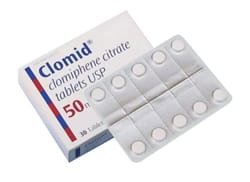
When doctors step into the ring to combat infertility, they usually start with a conservative approach. For women attempting to trigger ovulation, the most frequent starting dose is 50 mg taken once daily. It is not a one-size-fits-all situation, as every biological clock ticks to its own unique rhythm. Sometimes, a physician might need to bump that up to 100 mg or even 150 mg.
Timing is the heartbeat of this medication. You aren’t just popping a pill whenever you remember; it’s a choreographed dance with your cycle. Most protocols require taking the medication on day 3, 4, or 5 of your menstrual cycle. Missing this window is like catching a train that has already pulled out of the station—you simply might miss the fertile window entirely.
Consistency is your best friend during this process. Some patients find success with a five-day regimen, while others might require a longer stretch. Your doctor will map out this journey, often scheduling follow-up ultrasounds to ensure everything is moving in the right direction. It is a delicate balancing act between stimulating the ovaries and avoiding the risks of overstimulation.
While the medication itself can cost anywhere from $20 to $50 per cycle depending on your pharmacy, the real cost lies in the precision of the timing. If you are off by even a day or two, the entire cycle might be lost. Precision is the name of the game when you are working against a biological deadline.
The Dangers of Deviating from the Script
It is incredibly tempting to play doctor when the stakes are this high. You might hear a friend say, “I took double the dose and it worked for me!” Please, take a step back. Self-adjusting your dosage is like driving a car without a speedometer; you might feel like you’re moving fast, but you have no idea how close you are to a crash.
Taking too much Clomid can lead to multi-follicular development, which sounds great on paper but is actually a nightmare in practice. This can result in multiple pregnancies, such as twins or triplets, which carry significantly higher risks for both the mother and the babies. It turns a controlled medical procedure into a high-stakes gamble with your physical health.
On the flip side, under-dosing can lead to nothing but frustration and wasted months. If you aren’t hitting the sweet spot, your body might not respond at all. This “trial and error” phase is exhausting emotionally and financially. Following the physician’s schedule ensures that the risks are managed and the physiological response is predictable and safe.
The risks of incorrect administration can also include severe ovarian hyperstimulation syndrome (OHSS). This condition causes the ovaries to swell, potentially leading to abdominal pain and fluid buildup. It is a serious medical concern that requires immediate attention. Never attempt to wing it when it comes to hormonal manipulation.
Gender-Specific Dosing Variations
Clomid isn’t a one-trick pony; its job changes depending on who is taking it. For women, the goal is to stimulate the ovaries to release an egg. For men, the mission is quite different. It is used to boost testosterone levels by signaling the brain to increase the production of essential reproductive hormones.
In men, the dosage is often much lower and the frequency differs significantly. While a woman might take a higher dose for a few days, a man might take a much smaller dose, such as 25 mg, every other day or even daily. This helps trick the body into thinking it needs more testosterone, thereby naturally boosting its own production levels.
The biological mechanisms are like two different machines running on different settings. In women, the medication targets the endocrine system to induce ovulation. In men, it targets the pituitary gland to increase luteinizing hormone and follicle-stimulating hormone. Because the goals are polar opposites, the dosing protocols are never interchangeable.
Understanding these differences is crucial to avoid catastrophic errors. Taking a woman’s dosage profile could cause massive hormonal imbalances in a man, and vice versa. Always ensure your prescription matches your specific biological needs and the intended outcome of your fertility treatment plan.
| Patient Category | Typical Dosage Range | Primary Goal |
| Women (Ovulation Induction) | 50 mg – 150 mg daily | Trigger egg release |
| Men (Testosterone Support) | 25 mg – 50 mg every other day | Increase natural testosterone |
Market Pricing and Cost Analysis in USD
Navigating the financial landscape of fertility treatments often feels like walking through a minefield without a map. When you look at the current 2026 market, the cost of Clomid can fluctuate wildly. It is not just about the price tag on the bottle; it is about the total investment required to see a cycle through to its conclusion.
For most patients, the average cost per tablet has settled into a predictable range, yet it still surprises many. You might find that a single 50 mg tablet costs roughly $0.50 to $1.50 at a standard retail pharmacy. However, this figure is highly dependent on your location, your insurance coverage, and the specific pharmacy’s pricing model.
It is a bit like buying gas; the price per gallon changes depending on whether you are at a high-end station or a local corner shop. Some people find themselves paying a premium for convenience, while others hunt for deals. Understanding these nuances can save you a significant amount of money over a long-term treatment plan.
The distinction between brand-name medication and generic versions is perhaps the most significant factor in your budget. In 2026, generic Clomid remains the gold standard for those looking to keep costs low. The active ingredient is identical, yet the price gap between the two can feel like a canyon when you are looking at a full prescription.
Generic options typically offer a massive discount, often costing 60% to 80% less than the branded equivalent. For many families, choosing the generic path is the only way to make long-term fertility journeys financially sustainable. It is a pragmatic choice that focuses on the chemistry rather than the fancy packaging or the brand name.
However, some patients prefer the brand-name option due to perceived consistency in tablet manufacturing. While the science suggests they are effectively the same, the psychological comfort of a known brand is a real factor. You must weigh the peace of mind against the extra weight on your wallet before making the call.
Total treatment costs are influenced by several moving parts that act like a complex gear system. Beyond the pills themselves, you must account for the “hidden” expenses. These include frequent blood work to monitor hormone levels and the mandatory ultrasound appointments required to track follicular growth throughout the cycle.
If your doctor requires multiple follow-up scans, the cost of the medication becomes a smaller piece of the overall pie. It is easy to get tunnel vision and focus only on the prescription, but the diagnostic side of the process is where the real money often disappears. Budgeting for the “extras” is vital for your sanity.
Pharmacy pricing models also vary significantly depending on how you choose to source your medication. Some local pharmacies operate on a traditional co-pay model, which is heavily tied to your insurance provider. This can be a blessing or a curse depending on how your specific plan handles specialty reproductive drugs.
On the other hand, online-only pharmacies often use a “cash-pay” model that bypasses insurance entirely. These services frequently offer much lower, flat-rate pricing that is transparent from the start. For those without robust insurance, these digital storefronts often prove to be the most economical way to stay consistent.
To give you a clearer picture of what to expect, I have compiled a breakdown of common pricing scenarios. The following data reflects current 2026 market estimates for different procurement methods and quantities.
| Procurement Method | Quantity/Type | Estimated Total Cost |
|---|---|---|
| Retail Pharmacy (Brand Name) | 60 Tablets (50mg) | $120 – $180 |
| Retail Pharmacy (Generic) | 60 Tablets (50mg) | $35 – $65 |
| Online Cash-Pay Service | 90 Days Supply | $50 – $90 |
| Insurance Co-pay (Standard) | One Full Cycle | $20 – $55 |
When calculating the cost for a full standard course of therapy, you cannot just look at one box of pills. A typical cycle might require three to six months of testing and medication to find the right dosage. This “trial and error” phase is the most expensive part of the journey.
If you are looking at a six-month window, you might spend anywhere from $300 to $800 depending on your choices. This estimate includes the medication, basic blood tests, and a few ultrasound visits. It is a marathon, not a sprint, and your budget should reflect that reality.
Planning ahead is the best way to avoid financial stress during an already emotional time. Don’t wait until the pharmacy counter to realize you’re short on funds. By comparing models and understanding the difference between brand and generic, you can take control of your fertility budget before the first dose is even taken.
Sourcing and Reliable Purchasing Methods
Navigating the digital pharmacy landscape feels like walking through a minefield without a map. You might find yourself staring at dozens of tabs, each claiming to offer the lowest prices. It is easy to get lost in the weeds, searching for a deal that doesn’t exist or, worse, a deal that is too good to be true.
Legitimate online pharmacies act as a bridge between your doctor and your doorstep. They require a valid prescription from a licensed healthcare provider to operate legally. Think of them as highly efficient, digital-first versions of your local corner chemist. They are the safest route for ensuring the chemistry in the bottle matches the chemistry on your script.
A reputable vendor will never ask you to skip the medical consultation phase. If a site claims you can bypass a doctor entirely, you are essentially sailing into a storm without a compass. These “no-prescription” sites often operate in a legal gray area, which puts your safety and your money at significant risk.
When you decide to go the digital route, look for the “seal of approval” from regulatory bodies. A legitimate pharmacy will clearly display its licensing information and offer a transparent way to verify it. If they hide their credentials behind a wall of mystery, take that as a flashing red light and run the other way.
Spotting the Red Flags and Avoiding Scams
The internet is unfortunately crawling with “too-good-to-be-true” offers. If you see a website offering a massive discount that sits at $10 for a month’s supply, your intuition should start screaming. These are often “ghost” websites designed to harvest your credit card information or send you nothing at all.
Counterfeit medications are a shadow industry that casts a long, dark pall over the fertility community. These pills might look identical to the real thing, but they could contain chalk, incorrect dosages, or even dangerous contaminants. You are essentially playing Russian roulette with your hormonal balance when you buy from unverified sources.
Watch out for websites that use “high-pressure” sales tactics. They might use countdown timers or claim that “stock is running low” to force you into a snap decision. Real medical providers don’t need to bully you into a purchase. A sense of urgency is a classic hallmark of a digital con artist.
Another major red flag is a lack of contact information. A real business has a physical address, a working phone number, and a customer service team that actually answers. If the only way to reach them is a generic contact form that goes into a black hole, you are likely dealing with a scam.
To keep yourself safe, I recommend creating a checklist for every new site you visit. Use the following criteria to vet a vendor before you ever enter your payment details:
- Does the site require a valid prescription from a licensed physician?
- Is the website URL secure (look for the https:// and the padlock icon)?
- Can you find a clear, verifiable physical address for the company?
- Are the prices realistic, or are they suspiciously low compared to everyone else?
- Does the site offer a clear return policy and customer support contact?
Verification Steps for Digital Vendors
Before you click “buy,” do a little digital detective work. A quick search for the pharmacy’s name plus the word “scam” or “review” can reveal a mountain of truth. Look for independent forums or consumer protection sites rather than the testimonials listed on the company’s own homepage.
You should also check if the pharmacy is recognized by the National Association of Boards of Pharmacy (NABP). They maintain a “Safe Site” list that is a gold standard for verifying legitimate online retailers. If a vendor isn’t on a reputable list, treat them with extreme skepticism and proceed with caution.
Payment methods also tell a story about the vendor’s legitimacy. Reputable pharmacies will almost always use secure, encrypted payment gateways. If a site asks you to pay via wire transfer, Western Union, or cryptocurrency, close the tab immediately. These methods are nearly impossible to track or reverse once the money is gone.
Finally, check the domain age of the website. Scammers often burn through websites and create new ones every few months to stay one step ahead of the law. If a site looks professional but was only registered a few weeks ago, it is a massive red flag that you should not ignore.
| Verification Step | What to Look For | Risk Level if Ignored |
|---|---|---|
| Prescription Check | Mandatory Physician Script | High (Counterfeit Risk) |
| Payment Method | Credit Card / PayPal | High (Fraud/Theft) |
| Domain Age | Established Years | Medium (Scam Potential) |
| NABP Accreditation | Accredited/Recognized | Low (Safety Risk) |
Shipping Logistics and Delivery Expectations
Getting your medication delivered is often the most nerve-wracking part of the entire process. You have waited weeks for an appointment, and now you are staring at a “confirmed” screen, wondering when that package will actually arrive. It feels like waiting for a life-changing letter in the mail, doesn’t it?
Timing is everything when you are following a strict hormonal protocol. Missing a single dose because a courier lost a package can throw your entire cycle into chaos. Therefore, understanding the nuances of how these pills travel from the warehouse to your doorstep is vital for your peace of mind.
Most reputable pharmacies offer a tiered system to accommodate different needs. If you are in a rush, you might opt for the fast lane. However, speed always comes with a price tag. You have to weigh the convenience of an overnight delivery against the extra cost in your budget.
Generally, you will see two main paths: standard and expedited. Standard shipping is the “slow and steady” tortoise approach, which is perfect if you are currently well-stocked. Expedited shipping is the hare, designed for those who are down to their last few pills and cannot afford any delays.
Shipping Options and Timeline Realities
When you reach the checkout, you will likely see a menu of delivery speeds. Standard shipping might cost you around $5 to $10, and it typically takes about 5 to 10 business days. It is the budget-friendly choice for those who like to plan several steps ahead.
If you find yourself in a pinch, expedited options are your best friend. These services can jump the line, often arriving within 2 to 3 business days. Expect to pay a premium here, usually ranging from $25 to $50 depending on the distance and the carrier’s urgency.
Domestic orders within the same country move like a well-oiled machine. Once the pharmacy processes your prescription, the clock starts ticking. You can usually expect your package to arrive within that 5 to 10-day window if you chose the standard route. It is quite predictable.
For those living in remote areas, the “last mile” of delivery can be a bit unpredictable. Even with expedited shipping, mountain roads or rural routes can add a few extra days to the journey. Always build in a small buffer of time to avoid any unnecessary stress.
| Shipping Method | Estimated Arrival | Approximate Cost |
| Standard Ground | 5–10 Business Days | $5 – $10 |
| Expedited Air | 2–3 Business Days | $25 – $50 |
| Overnight | Next Day | $60+ |
Packaging and Integrity Protocols
Medication is sensitive, and it shouldn’t be tossed around like a bag of groceries. Legitimate pharmacies use specialized packaging to ensure that your Clomid arrives in pristine condition. They don’t just slap a label on a flimsy envelope and hope for the best; that would be reckless.
Most shipments arrive in discreet, sturdy cardboard boxes or padded mailers. This serves two purposes: it prevents the pills from being crushed during transit, and it maintains your privacy. No one needs to know what is inside your package when the mail carrier drops it off.
Temperature control is another critical factor in maintaining medication integrity. While Clomid is relatively stable, extreme heat inside a delivery truck can be a silent enemy. High-quality vendors use insulated liners or specialized thermal packaging to protect the chemical stability of your pills.
Upon arrival, you should inspect the seal immediately. If the box looks crushed, water-damaged, or if the safety seal appears tampered with, do not use the medication. Contact the pharmacy right away. It is better to be safe than to risk taking compromised medicine.
Navigating International Hurdles and Tracking
Sending medicine across borders is like navigating a labyrinth without a map. Every country has its own set of rules, and what is legal in one place might be a red flag in another. Customs officials can be quite strict, and they don’t play around when it comes to pharmaceuticals.
If you are ordering internationally, expect potential customs hurdles. You might be required to provide additional documentation or pay import duties that weren’t listed at checkout. These fees are often collected by the courier before they will hand over your package, so keep some cash ready.
To avoid a package getting stuck in “customs limbo,” ensure all paperwork is perfect. A missing prescription copy or a vague description on the outside of the box can lead to delays or even seizure. It is a headache that most people prefer to avoid entirely.
The good news is that modern logistics make tracking a breeze. Once your order leaves the warehouse, you should receive a tracking number via email. You can follow its journey in real-time, watching it hop from facility to facility until it finally reaches your doorstep.
If your tracking status hasn’t updated in several days, don’t panic immediately. Sometimes, packages sit in a sorting hub for a bit. However, if it goes silent for over a week, it is time to pick up the phone and call the pharmacy’s support line.
Clomid vs. Letrozole: A Comparative Study
The Biological Tug-of-War
Think of Clomid, or Clomiphene Citrate, as a clever impostor. It is a Selective Estrogen Receptor Modulator (SERM) that essentially tricks your brain. It sits on the estrogen receptors in the hypothalamus, pretending that estrogen levels are low. This little deception forces your pituitary gland to shout louder, producing more follicle-stimulating hormone (FSH) to jumpstart ovulation.
Letrozole, on the other hand, doesn’t play the role of an impostor; it acts more like a saboteur. It is an Aromatase Inhibitor (AI) that targets the enzyme responsible for producing estrogen. By temporarily turning down the volume on estrogen production, it removes the “brakes” on your system, allowing your body to naturally ramp up the production of FSH and LH.
While both paths lead to the same goal—ovulation—the machinery under the hood is vastly different. Clomid works by blocking the signal, whereas Letrozole works by removing the inhibitor. It’s like the difference between blocking a sensor in a thermostat versus simply turning down the heat to make the furnace kick in.
Because their mechanisms are so distinct, how your body reacts can vary wildly. Some women find that Clomid’s “trickery” causes a bit of a biological roller coaster, while Letrozole offers a smoother, more direct physiological shift. Understanding this nuance is the first step in deciding which path might suit your unique hormonal landscape.
Success Rates and Clinical Outcomes
When it comes to the bottom line—getting pregnant—the debate often centers on efficacy. For women with Polycystic Ovary Syndrome (PCOS), Clomid has long been the gold standard. It has a stellar track record for inducing ovulation in those who struggle with irregular cycles, acting like a reliable spark for a quiet engine.
However, the tide is shifting toward Letrozole in recent years. Recent clinical studies suggest that Letrozole may actually outperform Clomid for women with PCOS. It appears to achieve higher live birth rates in some scenarios, likely because it doesn’t interfere with the estrogen’s effect on the uterine lining as aggressively as Clomid sometimes does.
For other fertility scenarios, such as unexplained infertility or subtle hormonal imbalances, the choice becomes more personal. Some clinicians prefer the “old reliable” status of Clomid, while others lean toward the modern precision of Letrozole. It isn’t a one-size-fits-all situation; it’s more like finding the right key for a very complex lock.
Ultimately, your success depends on the specific reason your cycles are behaving poorly. If your primary issue is high estrogen or PCOS, Letrozole might be the frontrunner. If your issue is a lack of signal from the brain, Clomid might be the heavy hitter you need to get things moving again.
Side Effects and the Daily Experience
Taking Clomid can feel a bit like riding a hormonal rollercoaster. Because it blocks estrogen receptors, some women report significant mood swings, hot flashes, or even intense headaches. It’s not uncommon to feel a bit “off” or emotionally sensitive while the medication is actively doing its job in your system.
Letrozole is often described as being a bit “quieter” in terms of immediate side effects. While it can still cause headaches or nausea, many users find it easier to integrate into their daily lives without the dramatic emotional shifts. It tends to be a smoother ride for the nervous system, which can be a huge relief.
There is, however, a trade-off to consider regarding the uterine lining. Clomid can sometimes thin the endometrial lining, which might make implantation a bit more difficult. Letrozole generally has a more neutral effect on the lining, which is why it is often preferred when the goal is not just ovulation, but successful pregnancy.
The “user experience” is highly subjective. One woman might find Clomid perfectly tolerable, while another might feel like she’s living in a different body. Discussing these potential shifts with your doctor can help you prepare for the emotional and physical ups and downs of the journey.
The Financial Breakdown and Monitoring
When you look at the wallet, Clomid is often the budget-friendly veteran. Because it has been around the block many times, it is generally more affordable. For many, the lower price tag makes it the obvious choice for starting a first round of treatment without breaking the bank.
Letrozole, while not prohibitively expensive, often carries a slightly higher price point depending on the pharmacy and your insurance coverage. However, you must consider the “total cost of ownership.” If Letrozole requires fewer adjustments or leads to a faster pregnancy, it might actually be the cheaper option in the long run.
Monitoring is where the two paths truly diverge. Clomid often requires more frequent ultrasounds and blood work to ensure you aren’t over-stimulating your ovaries, which can lead to multiple pregnancies. It’s a bit like driving a high-performance car that needs constant checking to ensure you don’t veer off the road.
Letrozole is frequently associated with a lower risk of multiple births and can sometimes require less intensive monitoring. If you prefer a more “set it and forget it” approach, Letrozole might feel less taxing. Here is a quick comparison of the general cost and monitoring landscape:
| Feature | Clomid | Letrozole |
| Typical Cost per Cycle | $20 – $50 | $40 – $100 |
| Monitoring Intensity | Higher (Ultrasound/Blood) | Moderate to Low |
| Risk of Multiples | Increased | Lower |
Common Usage Scenarios and Clinical Applications
Managing Polycystic Ovary Syndrome (PCOS)
For many women, PCOS feels like a biological stalemate. The body produces plenty of hormones, but they are out of sync, leaving eggs stranded and cycles unpredictable. Clomid acts like a loud, persistent alarm clock, waking up the brain to tell the ovaries that it is time to get to work.
By blocking estrogen receptors, the medication tricks the brain into thinking it is in a low-estrogen state. This clever little ruse triggers the release of gonadotropins, which are the essential messengers required to stimulate follicle growth. It is often the first line of defense for those struggling with irregular ovulation.
Clinical success with PCOS often depends on finding that “Goldilocks” dose—not too little, not too much. Doctors monitor closely to ensure the ovaries respond appropriately without overreacting. It is a delicate dance between stimulating the system and maintaining a safe, predictable hormonal environment for a healthy pregnancy.
While it is a powerhouse for ovulation, it isn’t a magic wand. Some patients find that even with Clomid, the hormonal landscape remains a bit rocky. However, for a significant portion of the PCOS community, it remains a cornerstone of fertility management and a vital tool for regaining cycle regularity.
Male Infertility and Testosterone Support
Fertility isn’t a one-sided conversation; men play a massive role in the equation. In cases of secondary hypogonadism, a man’s testosterone levels might be low, which directly impacts sperm production. Clomid steps into the ring here by signaling the pituitary gland to ramp up production.
It works by tricking the body into thinking it needs more testosterone, which in turn boosts luteinizing hormone and follicle-stimulating hormone. This creates a more robust environment for spermatogenesis. It is a fascinating application of a drug often associated with female fertility to solve a male-specific puzzle.
Doctors use this approach to optimize sperm count and motility without suppressing natural testosterone production. This is a crucial distinction from other treatments that can actually shut down a man’s own production. It’s about working with the body’s natural feedback loops rather than fighting against them.
The goal is to get the “machinery” running at peak efficiency. While not every man will see a dramatic shift, for many, it provides the necessary nudge to improve their reproductive health. It is a common, effective, and often very cost-efficient way to address male-factor infertility.
Navigating Unexplained Infertility Across Ages
Sometimes, the doctors look at every test and simply say, “We don’t know why it isn’t happening.” Unexplained infertility can be incredibly frustrating, leaving couples feeling like they are chasing a ghost. Clomid can help by ensuring that ovulation is definitely occurring, even if other factors remain a mystery.
In younger women, the focus is often on ensuring the timing and quality of the egg release are optimal. As women move into their late 30s, the stakes get a bit higher. While Clomid cannot change the quality of the eggs, it can ensure that the body is actually attempting to release them.
The approach changes as the years pass. For a woman in her 20s, Clomid might be used for a few cycles to jumpstart things. For a woman in her early 40s, it might be used as a quick, decisive attempt to trigger ovulation before moving toward more intensive interventions.
It is essentially a way to rule out “ovulatory dysfunction” as the culprit. If a couple can conceive while on Clomid, they have effectively solved the mystery. It provides a sense of agency in a situation that often feels entirely out of a patient’s control.
Assisted Reproductive Technologies and Transitions
Clomid often serves as the “stepping stone” in the world of assisted reproductive technologies. It is frequently used in conjunction with intrauterine insemination (IUI) to ensure that multiple follicles are developing. This increases the chances of a successful fertilization event during the procedure.
However, the journey doesn’t always stay on the Clomid path. If a patient doesn’t respond to several cycles, or if the uterine lining becomes too thin to support implantation, doctors may decide to pivot. It is not a failure to switch; it is a strategic adjustment in the battle plan.
Common transitions include moving toward Letrozole or progressing to more intensive IVF protocols. Doctors keep a very close eye on the “success-to-side-effect” ratio. If the medication is causing too much distress or isn’t yielding results, they won’t hesitate to change course to save time and emotional energy.
The transition is often a sign of proactive care. Whether moving to injectable gonadotropins or moving straight to IVF, the ultimate goal remains the same: a healthy pregnancy. Clomid is a vital part of the toolkit, but it is rarely the final destination for everyone.