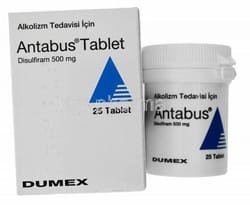
Buy Antabuse Online: Best Prices and Fast Delivery
Mechanism of Action and Disulfiram Functionality
Imagine walking into a room and expecting a refreshing glass of wine, only to find it tastes like battery acid and cleaning fluid. That is the biological booby trap set by this medication. It fundamentally alters how your body processes ethanol, turning a social beverage into a source of immediate physical distress. It doesn’t stop the craving, but it makes the consequence unbearable.
The drug targets the enzymes in your liver that are responsible for breaking down alcohol. Normally, alcohol is converted into acetaldehyde, a toxic byproduct, and then quickly neutralized into harmless acetic acid. However, this medication steps in like a roadblock on a highway, slamming the brakes on that final, crucial step of the metabolic process.
Because that second step is blocked, acetaldehyde begins to pile up in your bloodstream like a massive traffic jam. This buildup is the culprit behind the sudden, violent physical reactions. It is not a subtle shift; it is a physiological ambush that forces the body to recognize alcohol as a poison rather than a fuel or a sedative.
The Biological Chain Reaction
When the medication is active in your system, any amount of alcohol triggers a cascade of unpleasant symptoms. It is a chemical tug-of-war where your body loses the battle against toxins. Patients often report a sudden, pounding headache that feels like a hammer against the skull, accompanied by intense nausea and heat.
The physical symptoms are not just minor inconveniences; they are designed to be deeply unsettling. You might experience a racing heart, chest tightness, or even vomiting. It is essentially a self-imposed physiological deterrent. By making the act of drinking a traumatic physical event, the brain begins to associate the liquid with immediate, localized misery.
To visualize this, consider the following metabolic shifts that occur when the medication is present in the system:
- Acetaldehyde Accumulation: The toxic intermediate substance builds up rapidly.
- Vasodilation: Blood vessels expand, causing intense flushing and heat.
- Tachycardia: The heart rate increases significantly due to the toxic buildup.
- Gastrointestinal Distress: Severe nausea and vomiting are common reactions.
It is important to understand that this is not a magic pill that fixes the underlying desire to drink. Instead, it is a tool used in aversion therapy. It works by creating a negative association, essentially teaching the body to fear the substance through direct, unpleasant experience rather than through psychological willpower alone.
Breaking the Cycle of Dependence
Many people view addiction as a simple matter of “just saying no,” but the science tells a different story. Dependence is a complex cycle of neurochemical cravings and physical habits. This medication aims to disrupt that loop by introducing a high-stakes consequence to every sip, making the cost of a relapse too high to pay.
It acts as a safety net for those who are already highly motivated to remain sober. It doesn’t do the heavy lifting of psychological healing, but it provides a physical barrier that can prevent a slip from turning into a full-blown relapse. It is a partner in the recovery process, providing a biological deterrent while therapy addresses the mind.
Think of it as a guardrail on a winding mountain road. The guardrail doesn’t make the road straight or easy to drive, but it prevents a single mistake from sending a driver off a cliff. In the same way, this medication provides a physical boundary that supports the long-term goal of abstinence.
The effectiveness of this approach depends heavily on the patient’s commitment. Because it is an aversion-based strategy, it requires a foundation of motivation to work. It is a powerful mechanism designed to support a lifestyle change by making the biological cost of alcohol consumption far too high to ignore.
Standard Dosage and Administration Protocols
Taking this medication is not a casual endeavor; it requires a disciplined routine to be effective. The standard protocol involves taking a single oral tablet once every day. Consistency is the name of the game here, as missing doses can leave your biological defenses down, making it far too easy to slip back into old patterns of drinking.
Patients should ideally take the pill at the same time each morning to maintain steady levels. It is best swallowed with a full glass of water, perhaps alongside breakfast, to ensure it makes its way through the digestive tract smoothly. Think of it as setting a daily alarm for your sobriety, a ritual that reinforces your commitment to a healthier life.
Because this drug stays in your system for quite some time, the timing of your last dose is critical. If you take it too close to a potential social event where alcohol might be present, you are essentially walking into a trap. You must coordinate your schedule meticulously to ensure the medication is active when you need it most.
The administration process is straightforward, but the stakes are incredibly high. There is no room for half-doses or skipping days when you are trying to break a deep-seated chemical dependency. Every tablet is a brick in the wall you are building between yourself and the bottle, and every missed dose is a crack in that foundation.
The Necessity of Clinical Oversight
You shouldn’t navigate this journey alone; professional guidance is absolutely vital. Dosage adjustments are never something a patient should attempt on their own. A doctor must carefully monitor how your body responds, especially during the initial stages or when your liver function is being assessed to ensure your safety throughout the process.
Medical supervision acts as a compass when the terrain gets rocky. Your healthcare provider will look for signs of adverse reactions or potential drug interactions that could cause serious complications. It is a collaborative dance between your physician’s expertise and your own daily observations of how you are feeling physically and mentally.
Sometimes, the dosage needs to be tweaked to find the sweet spot where the deterrent is effective without being overwhelming. This titration process requires regular check-ins and blood work. It is much like tuning a high-performance engine; you need a specialist to ensure everything is running smoothly without causing internal damage to your organs.
If you experience unexpected symptoms, such as extreme fatigue or abdominal pain, you must reach out to your clinic immediately. Never “wait and see” when it comes to side effects that feel out of the ordinary. Your doctor is your primary ally in navigating the complex physiological landscape of aversion therapy and ensuring the treatment remains safe.
The Role of Personal Motivation
Let’s be blunt: this medication is a tool, not a cure-all. It is like a heavy-duty lock on a door, but you are the one who has to choose to stay on the right side of it. Without a genuine, driving desire to achieve sobriety, the medication is merely a temporary inconvenience rather than a life-changing intervention.
The drug relies on your psychological willingness to avoid the unpleasantness it causes. If your heart isn’t truly in the fight, you might find yourself tempted to test the limits by drinking small amounts. This is a dangerous game that can lead to the very physical distress the medication is designed to trigger, causing unnecessary suffering.
Successful treatment often involves a multi-faceted approach, combining this biological deterrent with counseling or support groups. The medication handles the physical “no,” while therapy helps you work through the emotional “why.” It is a pincer movement designed to squeeze the addiction from both the biological and psychological sides simultaneously.
Think of yourself as a captain of a ship in a storm. The medication is the heavy anchor that prevents you from drifting into the rocks, but you are still the one who must hold the wheel steady. Your willpower provides the direction, while the medication provides the stability needed to weather the most difficult waves.
The following table outlines some common ways patients manage their treatment costs and pharmacy options:
| Service Plan Type | Monthly Management | Estimated Cost |
|---|---|---|
| Standard Prescription | Basic Refills | $45 |
| Telehealth Consultation | Monthly Check-ins | $120 |
| Comprehensive Support | Meds + Counseling | $350 |
| Emergency Clinic Visit | As Needed | $210 |
Timing the Physical Reaction
One of the most common questions is how long it takes to feel the effects. It isn’t an instant “on/off” switch the moment the pill hits your tongue. The medication needs time to be absorbed and to begin inhibiting those specific liver enzymes, creating the chemical buildup that leads to the reaction.
Generally, you can expect the deterrent effect to be active within a few hours, but its presence in your body is much longer-lasting. This is why the once-daily rule is so strictly enforced. Even if you don’t feel a reaction immediately, the biochemical roadblocks are being set up in the background, waiting for the arrival of ethanol.
If you consume alcohol after taking the dose, the reaction can be quite rapid and intense. The flush and nausea often arrive within minutes of the first sip. It is a sudden, jarring realization that the body is reacting to the liquid in a way that is entirely different from how it used to feel.
Understanding this timeline is crucial for planning your life. You cannot afford to wait a few hours before attending a dinner where drinks are being served. Once the medication is in your system, the biological trap is set, and the clock is ticking toward a potentially very unpleasant physical encounter.
Cost Analysis and Price Comparison in USD
Navigating the financial landscape of addiction recovery can feel like walking through a minefield. You are already battling the heavy weight of dependency, and suddenly, the pharmacy bill arrives like a gut punch. It is essential to understand that the price tag on your prescription isn’t just a number; it is a significant part of your long-term sobriety budget.
When you walk into a local pharmacy, you might find that the sticker price for the brand-name version is quite steep. Many patients find themselves staring at a high total that seems disconnected from the reality of their monthly expenses. This discrepancy often leads to hesitation, which is the last thing anyone needs when trying to stay on track.
Fortunately, there are ways to navigate these costs without feeling like you are drowning in debt. By understanding the difference between the manufacturer’s name and the chemical reality, you can find a path through the fog. We will break down how the market actually functions so you can make an informed choice for your wallet.
Brand-Name vs. Generic Disulfiram
The “Antabuse” name carries a certain weight and familiarity, but it often comes with a premium price tag. Think of it like buying a designer brand when a generic version offers the exact same material. The chemical itself, disulfiram, is the engine that does all the heavy lifting, regardless of what the box says.
Generic disulfiram is the standard alternative for most people seeking to manage their costs. It is chemically identical to the brand-name version, meaning it provides the same deterrent effect against alcohol. For many, switching to the generic is a way to keep the treatment sustainable over many months or even years.
In terms of raw numbers, the gap can be quite startling. While brand-name Antabuse can cost significantly more per month, the generic version typically ranges from $15 to $50 depending on the quantity and pharmacy. This difference might seem small in a single transaction, but it adds up to a massive amount of savings over a year.
Choosing between the two often boils down to your immediate cash flow versus your long-term budget. If you are on a tight leash financially, the generic route is almost always the smarter play. It ensures that the cost of the medication doesn’t become a secondary source of stress that could potentially jeopardize your recovery journey.
Insurance and Out-of-Pocket Expenses
Insurance coverage is the great equalizer, but it is also a source of immense frustration for many. Depending on your specific plan, your out-of-pocket total can swing wildly from one month to the next. It is like trying to hit a moving target while blindfolded; the rules change depending on your deductible and co-pay.
If you have a high-deductible health plan, you might find yourself paying the full retail price for several months before the insurance company steps in to help. This initial phase can be a major hurdle. During this time, the sticker shock at the pharmacy counter can be a very real and daunting barrier to consistent medication use.
Once your deductible is met, the landscape shifts significantly. Many plans will cover disulfiram with a fixed co-pay, which might only be $10 or $20 per month. This is where the stability of the treatment really kicks in. Knowing exactly what your monthly cost will be allows you to plan your recovery with much more confidence.
It is worth noting that some insurance providers may require prior authorization for certain brands. This means your doctor has to jump through a few extra hoops to prove that the medication is medically necessary. It can feel like a bureaucratic headache, but it is often the key to lowering those high out-of-pocket costs.
Pharmacy Comparison and Retail Trends
Where you choose to fill your prescription can change your total cost by a significant margin. Local retail pharmacies are convenient, but they are often the most expensive option because of the overhead they carry. It is the convenience tax that many people pay without realizing how much it actually costs them.
Online pharmacies offer a compelling alternative for those who have the patience to wait for shipping. You might find much lower prices on specialized online platforms compared to the drugstore on your corner. However, you must be cautious to ensure you are using a legitimate, verified pharmacy to avoid counterfeit risks.
Consider the following price variations you might encounter in the current market:
- Local Retail Pharmacy: Often the most expensive, with prices ranging from $60 to $150+ per month.
- Mail-Order Pharmacy: Usually more affordable, often falling between $25 and $60 per month.
- Generic Online Platforms: Can be as low as $15 to $30, depending on the quantity ordered.
Ultimately, the best strategy is to shop around. Do not assume the first price you see is the only one available. Call a few different places, ask about their generic options, and see if your insurance has a preferred mail-order provider. A little bit of legwork can save you hundreds of dollars over the course of your treatment.
Acquisition Channels and Shipping Logistics
Navigating Online Pharmacy Safety
Buying medication through the internet can feel like walking a tightrope without a net. While the convenience is undeniable, you must ensure you are stepping onto a stable platform. Always look for pharmacies that display a legitimate digital seal from the National Association of Boards of Pharmacy. This isn’t just a suggestion; it is your primary line of defense against counterfeit pills.
A verified pharmacy will never ask you to skip the doctor’s office entirely. If a website promises to ship disulfiram without a valid prescription, you are likely looking at a digital mirage. These “no-prescription” sites often operate in a legal gray area and might ship products that are expired or, worse, contain incorrect dosages. It is better to be safe than sorry.
Always verify that the online entity is a licensed pharmacy in your specific state. You can often check this through your state’s board of pharmacy website. It takes only a few minutes of legwork, but it can prevent a massive headache later. Think of it as checking the weather before you set out on a long, unpredictable journey.
The risk of receiving a sub-par product is a heavy burden to carry during recovery. You are working incredibly hard to maintain sobriety, and the last thing you need is a pill that doesn’t work as intended. Stick to the reputable players who have established a track record of reliability and strict adherence to FDA standards.
Prescription Requirements and Paperwork
Even when you are shopping from the comfort of your couch, the law remains a firm gatekeeper. Because disulfiram is used to treat alcohol use disorder, it requires a direct connection with a healthcare professional. You cannot simply add it to a digital shopping cart like a box of laundry detergent or a new pair of shoes.
Most reputable online pharmacies will require you to upload a digital copy of your prescription or use their internal telehealth service. This service connects you with a licensed physician who can evaluate your medical history. This step is crucial because the medication’s reaction to ethanol is intense and requires professional oversight to manage safely.
When the shipping company arrives at your door, expect the package to be discreet. Most legitimate providers know that privacy is paramount for anyone managing alcohol use disorder. You shouldn’t have to worry about your neighbors knowing exactly what is inside the cardboard box sitting on your porch.
Ensure your documentation is in order before you hit the “order” button. Have your doctor’s contact information and your insurance card ready to go. A smooth transaction depends on having your paperwork organized, preventing unnecessary delays that could leave you without your medication for a crucial period of time.
Shipping Timelines and Global Reach
Time is of the essence when you are managing a consistent daily regimen. If you are ordering within the country, you can typically expect your package to arrive within 3 to 7 business days. Many mail-order pharmacies offer expedited shipping options if you find yourself running low on your current supply and need it immediately.
International shipping is a much more complex beast entirely. If you are attempting to source medication across borders, be prepared for a significant wait. Customs officials can be quite thorough, and packages may sit in a warehouse for weeks while they verify the contents. It is a slow process that requires a great deal of patience.
The following table outlines typical wait times you might encounter:
| Shipping Method | Estimated Timeline | Common Use Case |
| Standard Domestic | 3 – 7 Business Days | Routine monthly refills |
| Expedited Domestic | 1 – 3 Business Days | Urgent replenishment |
| International | 2 – 6 Weeks | Cross-border logistics |
Keep in mind that these are just estimates. Weather, holidays, and logistics hiccups can easily push these dates further out. It is always a wise move to set a reminder to reorder your medication a week before you actually run out to avoid any stressful gaps in your treatment.
Red Flags and Avoiding Scams
The internet is unfortunately a playground for scammers looking to exploit people in vulnerable positions. One of the biggest red flags is a price that seems far too good to be true. If a site offers a month’s supply for $5 when the market average is $30, your internal alarm should be ringing loudly.
Another warning sign is a website that lacks clear contact information. If you cannot find a physical address or a working customer service phone number, you are likely dealing with a ghost operation. You need to be able to reach a real human being if something goes wrong with your shipment or your billing.
Be wary of any site that pressures you to pay via non-traditional methods. Legitimate pharmacies will accept standard credit cards or verified insurance payments. If a vendor insists on wire transfers, gift cards, or cryptocurrency, walk away immediately. These methods are nearly impossible to track or reverse once the money is gone.
Lastly, pay attention to the “vibe” of the website’s security. Look for the little padlock icon in your browser’s address bar, which indicates an encrypted connection. If the site looks like it was designed in the late nineties and lacks basic security features, it is not a safe place to enter your sensitive medical or financial data.
Risk Assessment and Safety Contraindications
Before starting this medication, a doctor must perform a thorough deep dive into your medical history. It is not a one-size-fits-all solution. Because the drug fundamentally alters how your body processes chemicals, certain underlying health issues can turn a therapeutic tool into a significant danger. Safety is the absolute priority here.
Patients with a history of severe cardiovascular disease should approach this with extreme caution. If you have a history of heart failure, arrhythmias, or recent myocardial infarction, the stress placed on your system might be too much to bear. Your heart is the engine of your body, and we cannot risk stalling it.
Neurological conditions also pose a significant hurdle for potential users. If you struggle with epilepsy or have a history of seizures, the medication might act like a match to a fuse. Doctors will weigh the benefits of sobriety against the risk of neurological episodes, often deciding that the trade-off is simply too high.
Additionally, anyone suffering from active peptic ulcers or severe liver disease should likely steer clear. The way the body metabolizes this compound can exacerbate existing gastric or hepatic issues. It is better to be safe than sorry when your internal organs are already fighting an uphill battle.
The Disulfiram-Ethanol Reaction
The “disulfiram-ethanol reaction” is not a mild stomach ache; it is a violent physiological revolt. If you consume even a tiny sip of alcohol while the medication is in your system, your body loses its ability to break down acetaldehyde. This buildup creates a toxic storm that hits you like a freight train.
Imagine your body suddenly perceiving alcohol as a poison. The reaction typically manifests within minutes of ingestion. You might experience intense flushing, a racing heart, and a sense of impending doom. It is a visceral, terrifying experience designed to act as a biological deterrent against drinking.
The symptoms can escalate quickly from discomfort to a medical emergency. Some people experience:
- Severe nausea and projectile vomiting
- Palpitations and chest pain
- Extreme headache and dizziness
- Shortness of breath and hypotension
Because this reaction is so unpredictable, you must be vigilant. Even “hidden” alcohol in mouthwashes, cough syrups, or certain desserts can trigger a response. It is a high-stakes game of avoidance that requires constant awareness of everything you ingest to stay out of the emergency room.
Critical Health Warnings
For those with existing heart issues, the risk of sudden death is a real possibility during a reaction. The sudden spike in blood pressure and heart rate can trigger a cardiac event. It is like redlining an engine that is already damaged; the mechanical failure is almost inevitable if the pressure isn’t relieved.
Neurological risks are equally daunting. The intense physiological stress can, in some cases, trigger seizures or severe confusion. If you already live with a neurological disorder, this medication adds a layer of complexity that requires constant monitoring by a specialist. You are essentially walking a tightrope over a very deep canyon.
The following table summarizes the primary contraindications discussed:
| Condition Category | Specific Risks | Primary Concern |
| Cardiovascular | Heart failure, Arrhythmia | Cardiac arrest or stroke |
| Neurological | Epilepsy, Seizure history | Increased seizure frequency |
| Gastrointestinal | Peptic ulcers | Severe gastric irritation |
| Hepatic | Liver disease | Exacerbated liver toxicity |
Always be honest with your medical team. Hiding a history of fainting spells or a minor heart murmur might seem insignificant, but in the context of this medication, it could be the difference between success and a trip to the ICU. Transparency is your best defense against adverse events.
Therapeutic Scenarios and Expected Outcomes
Navigating the landscape of Alcohol Use Disorder (AUD) often feels like trying to steer a ship through a permanent storm. Patients rarely have a single tool in their kit; instead, they must choose between various pharmacological strategies. Some medications work by quieting the brain’s desire for a drink, while others act as a biological deterrent to prevent the act of drinking altogether.
When comparing options, medical professionals often look at how a drug interacts with the user’s psychology. For instance, Naltrexone is frequently used to dampen the “reward” sensation, making drinking feel less satisfying. In contrast, Antabuse operates on a completely different philosophy. It doesn’t necessarily make you want alcohol less; it simply makes the physical experience of drinking absolutely intolerable.
This distinction is vital for clinical success. While some therapies focus on reducing the physiological urge, Antabuse focuses on the consequences. It is less about the “itch” of a craving and more about the “sting” of the reaction. This makes it a highly specialized tool that requires a specific kind of mindset to be truly effective in a long-term recovery setting.
Aversion Versus Craving Management
It is a common misconception that Antabuse works by magically erasing the urge to reach for a glass of wine. In reality, it is a classic example of aversion therapy. It doesn’t target the dopamine pathways that drive cravings; instead, it builds a wall of physical discomfort. If a craving hits, the drug provides a powerful reason to say “no.”
Think of it as a safety net made of barbed wire. If you are fighting the internal battle of cravings, the medication acts as a secondary defense mechanism. It provides a “fear factor” that can keep a person on the straight and narrow when willpower alone begins to crumble. It is a biological deterrent that complements psychological counseling.
Because it doesn’t directly suppress cravings, the effectiveness of the drug is heavily tied to the patient’s motivation. If someone is using the medication as a “get out of jail free” card to drink more heavily without consequence, they will find it fails. The drug is an assistant, not a substitute for the hard work of addressing the underlying addiction.
The success of this aversion approach depends on the user’s commitment to the process. When used alongside behavioral therapy, the combination can be quite formidable. The drug provides the immediate physical “stop sign,” while therapy addresses the “why” behind the urge. It is a two-pronged attack on a very complex disease.
Role in Long-Term Recovery Management
In the grand marathon of sobriety, Antabuse is often deployed during the high-risk periods of early and mid-stage recovery. During these months, the brain is still recalibrating, and the risk of a relapse is incredibly high. Having a chemical deterrent in place can provide the necessary breathing room to establish new, healthy habits.
Long-term management requires a shift from crisis intervention to maintenance. As a patient moves further into sobriety, the necessity of Antabuse might be re-evaluated. However, for many, it remains a vital “safety valve.” It serves as a constant, daily reminder of the commitment they have made to their health and their family.
Effective long-term use requires consistent medical oversight to monitor liver function and overall well-being. It is not a “set it and forget it” solution. Instead, it is a component of a larger, evolving treatment plan. Doctors often adjust the regimen as the patient’s lifestyle stabilizes and their biological need for the deterrent evolves.
The goal is to eventually move toward a state where the fear of the reaction is no longer the primary driver of sobriety. The ultimate aim is for the patient to achieve a lifestyle where the choice to remain sober is driven by a desire for health, rather than a fear of a physical reaction. Antabuse helps bridge that gap.
Addressing Patient Concerns and Lifestyle Shifts
Many patients feel intimidated by the strict dietary requirements that come with this medication. “Can I still go to a wedding?” or “Is this soda safe?” are common questions. The reality is that lifestyle changes are significant. You must become a detective of your own pantry, checking labels for hidden alcohols that could trigger a reaction.
The psychological weight of “always being on guard” can be heavy. Patients often worry that the medication makes them a prisoner to their own biology. It is important to frame this not as a restriction, but as a protective shield. This shift in perspective can help turn a perceived burden into a tool of empowerment and agency.
Cost and accessibility also play a role in patient anxiety. Depending on the pharmacy and insurance coverage, the out-of-pocket cost for a monthly supply can vary. For example, a patient might see a price tag of $50 or it could climb to $150. Navigating these costs is a practical hurdle that must be addressed early in the treatment plan.
Ultimately, the decision to use Antabuse is a deeply personal one. It requires a pact between the doctor, the patient, and the patient’s support system. When everyone is on the same page regarding the lifestyle adjustments and the potential side effects, the medication becomes a powerful ally in the fight for lasting sobriety.