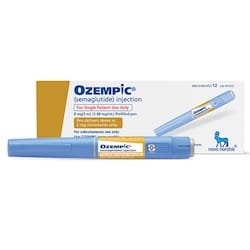
Order Ozempic Online and Save on Your Monthly Prescription
Managing Type 2 Diabetes and Glycemic Control
Think of your body as a complex orchestra where insulin and glucagon act as the conductors. In many adults living with Type 2 diabetes, the music goes out of tune. Semaglutide enters the scene as a GLP-1 receptor agonist, mimicking a natural hormone that tells your pancreas to play its part more effectively when glucose levels spike.
This medication works by stimulating the release of insulin precisely when your body needs it most. It acts like a smart thermostat for your blood sugar. Instead of a constant, overwhelming surge, it helps smooth out the peaks and valleys that often lead to long-term complications for those managing chronic glycemic issues.
Beyond just managing insulin, semaglutide tells your liver to stop dumping excess sugar into your bloodstream. It’s like closing a leaky faucet that has been running on high all night. By slowing down digestion, it ensures that sugar enters the bloodstream at a more manageable, steady pace throughout the day.
When we talk about blood glucose, we are talking about the fuel that keeps your cells running. Without proper control, that fuel can become toxic. Ozempic helps keep those levels within a healthy range, preventing the “sugar crashes” and spikes that leave many patients feeling utterly exhausted and drained.
The Synergy of Lifestyle and Medication
It is a common misconception that a pill or a pen can do all the heavy lifting alone. Ozempic is designed to be used as an adjunct to a healthy lifestyle. It isn’t a magic wand that replaces the need for nutritious meals and regular physical activity in a person’s daily routine.
Imagine trying to sail a boat with a torn sail; you can patch the hole, but you still need the wind. Diet and exercise provide the “wind” that makes the medication’s job significantly easier. When you pair semaglutide with a balanced meal plan, the metabolic benefits often become much more pronounced and sustainable.
Many patients find that because the medication helps regulate hunger, they naturally lean toward better food choices. It isn’t about willpower alone; it is about biological support. By quieting the constant “food noise” in the brain, it becomes much simpler to stick to the nutritional goals set by your doctor.
Consistency is the name of the game here. While the medication provides a powerful biochemical nudge, the foundation of long-term health remains the movement of your body and the quality of your fuel. Working together, these elements create a robust defense against the various complications associated with uncontrolled diabetes.
Cardiovascular Protection and Long-term Health
Diabetes is often a “two-for-one” deal, frequently bringing cardiovascular concerns along for the ride. The stakes are high, as the condition can impact the very pipes that carry blood through your body. This is where semaglutide proves its worth beyond just the numbers on a glucose monitor.
Clinical data suggests that Ozempic can significantly reduce the risk of major cardiovascular events. We are talking about serious incidents like heart attacks or strokes. For adults with Type 2 diabetes who are at high risk, this protective layer is a vital component of their overall medical management strategy.
By helping to stabilize blood sugar and potentially managing weight, the medication addresses several risk factors simultaneously. It is like reinforcing a bridge while simultaneously reducing the weight of the trucks crossing it. This dual action helps lower the likelihood of a catastrophic cardiovascular event occurring in the future.
Reducing the risk of death from cardiovascular causes is a primary goal for many physicians prescribing this class of drugs. It offers a layer of security that goes beyond simple glycemic control. For many, it provides peace of mind, knowing their treatment plan is working on multiple fronts to protect their heart.
| Focus Area | Primary Benefit | Mechanism |
| Glycemic Control | Lower A1C levels | Stimulates insulin secretion |
| Cardiovascular Health | Reduced stroke/heart attack risk | Reduces major adverse events |
| Metabolic Support | Weight management adjunct | Slows gastric emptying |
Prescription Dosage and Administration Schedules
Navigating a new medication can feel like learning a foreign language without a dictionary. When your doctor hands you a prescription for Ozempic, the primary goal is to get your body accustomed to the semaglutide without causing a storm in your stomach. It is a delicate dance of biology and timing.
The standard protocol involves a subcutaneous injection, meaning the needle goes just under the skin. Most patients choose the abdomen, thigh, or upper arm. It is a quick, small pinch, but the psychological hurdle of “needles” can feel like a mountain to climb. Once you get the hang of it, it becomes second nature.
Timing is everything when it comes to these weekly injections. You don’t need to take it at the same time every single day, but sticking to a consistent day each week helps keep your levels steady. Think of it as setting a recurring alarm on your phone to ensure you never miss a beat.
Because this medication affects how your body processes food, the way you administer it matters. Most people find success by injecting once a week. This weekly rhythm provides a steady stream of medication, preventing the wild swings in blood sugar that can leave you feeling shaky or lightheaded during the day.
The Art of Titration
You wouldn’t run a marathon without training first, and you shouldn’t jump straight into a high dose of semaglutide. The titration phase is the “training” period for your digestive system. Doctors start patients on a very low dose, typically 0.25 mg, to let the body adjust to the new chemical signals.
During these initial weeks, the goal isn’t even necessarily to control blood sugar; it’s to minimize the dreaded nausea and reflux. If you rush the process, your stomach might stage a protest. Taking it slow is the secret sauce to avoiding the gastro-intestinal upset that many newcomers fear.
As your body learns to handle the medication, your physician will gradually increase the dose. This upward climb usually happens in four-week increments. You might move from 0.25 mg to 0.5 mg, and eventually to higher levels if your metabolic goals require more heavy lifting to maintain stability.
If you experience significant nausea, your doctor might suggest slowing down the escalation. It isn’t a race to the finish line. The most important part is finding that “sweet spot” where your A1C improves, but your quality of life remains high and your stomach remains calm.
Maintenance and Long-Term Management
Once you reach the maintenance phase, the focus shifts from adjusting to stabilizing. This is where the real work of long-term glycemic management happens. For many, a steady maintenance dose becomes a permanent part of their metabolic toolkit, working alongside a healthy diet to keep the numbers in check.
Some patients find that they can stay on a lower dose indefinitely once their blood sugar is stable. Others may need to adjust their dosage if their lifestyle or weight changes significantly. It is a dynamic relationship, not a “set it and forget it” situation that requires constant monitoring by a professional.
While Ozempic is primarily an injection, it is important to distinguish it from other semaglutide options. While some medications in this class might offer different delivery methods, the standard Ozempic protocol remains a once-weekly subcutaneous shot. This distinguishes it from daily oral alternatives that require a much more rigid, day-to-day commitment.
Consistency is your best friend in this long-term journey. Skipping doses can cause your blood sugar to wander, potentially undoing the progress you’ve worked so hard to achieve. Think of the weekly injection as a steady anchor that keeps your metabolic health from drifting off course.
Below is a comparison of common monthly cost estimates for various supply options and insurance scenarios.
| Plan/Option Type | Estimated Monthly Cost | Terms and Conditions |
|---|---|---|
| Standard Retail (No Insurance) | $850 – $1,200 | Full out-of-pocket retail price |
| Commercial Insurance (Copay) | $25 – $100 | Subject to deductible and plan limits |
| Manufacturer Savings Card | $550 – $600 | Applies to eligible commercial plans |
| Medicare Part D Coverage | $45 – $150 | Varies by specific plan formulary |
The Weight Loss Phenomenon and Metabolic Impact
The buzz surrounding semaglutide often feels like a tidal wave that refuses to recede. While many patients start their journey for glycemic control, they frequently notice a dramatic shift in their physical profile. Clinical observations consistently show that users experience a significant reduction in body mass, often hovering around the 15–20 percent average weight loss mark.
It is not just about a smaller waistline or fitting into old jeans. This reduction represents a profound shift in how the body handles energy. For many, the scale doesn’t just move; it drops with a momentum that feels almost magical, provided the medication is used alongside consistent lifestyle changes.
However, we must distinguish between the intended medical purpose and the secondary “miracle” effect. While the weight loss is a common byproduct, the primary clinical indication remains the management of blood sugar. Understanding this nuance is vital for navigating the complex landscape of modern pharmacology and metabolic health.
The Divergence in Medical Intent
It is important to draw a line in the sand between using Ozempic for diabetes versus its use for obesity. Ozempic is specifically FDA-indicated as an adjunct to diet and exercise to improve glycemic control in adults with type 2 diabetes. It aims to keep blood sugar levels from spiking dangerously high.
On the other hand, semaglutide is also categorized as an anti-obesity medication. While the active ingredient is the same, the medical community views the two applications through different lenses. One focuses on preventing cardiovascular catastrophes like heart attacks or strokes, while the other targets chronic weight management.
Think of it like a Swiss Army knife; one blade is for precision cutting, while another is for heavy-duty tasks. Both tools are useful, but they serve different primary functions. Using it for weight loss is often a secondary benefit of the medication’s ability to regulate metabolic hormones effectively.
Patients often find themselves in a gray area when discussing these uses with insurance providers. While the weight loss is a significant clinical outcome, the “why” behind the prescription matters immensely for coverage. Navigating this distinction can feel like walking a tightrope between medical necessity and elective lifestyle enhancement.
Rewiring the Brain’s Hunger Signals
Why does food suddenly lose its gravitational pull? The secret lies in how semaglutide mimics a natural hormone called GLP-1. This hormone is the body’s internal messenger, signaling to the brain that you are full. It essentially “mutes” the constant, nagging background noise of hunger.
Normally, your stomach sends signals to your brain saying, “I’m empty!” Once you’re full, it sends a “Stop!” signal. Semaglutide steps in to amplify that “Stop!” signal. It tricks the brain into believing the body is satisfied, even if the meal was relatively small, effectively silencing the urge to snack.
Beyond the brain, there is a physical component at play in the gut. The medication slows down gastric emptying, meaning food stays in your stomach for a longer duration. This delayed transit time ensures that you feel satiated for hours, rather than minutes, after you have finished eating your meal.
It is like a thermostat that has been recalibrated. Instead of the constant “on-off” cycle of intense hunger and sudden fullness, the medication provides a steady, leveled-out sense of satiety. This metabolic recalibration is what makes the weight loss feel more sustainable for many individuals compared to traditional dieting.
Managing Metabolic Health Through Weight Reduction
Reducing excess adipose tissue is about much more than aesthetics; it is a fundamental reset for your internal chemistry. Carrying excess weight can act like a heavy anchor, dragging down your insulin sensitivity and causing metabolic inflammation. Losing that weight can lift that anchor, allowing your organs to function properly.
When the body sheds excess fat, it often improves how it manages glucose and lipids. This creates a positive feedback loop. As your weight stabilizes, your metabolic markers—like blood pressure and cholesterol—often follow suit, providing a shield against the long-term risks of chronic metabolic disease.
However, this is not a “set it and forget it” miracle. True metabolic health requires a holistic approach. The medication handles the chemical signaling, but the human must provide the fuel. Without a focus on nutrient-dense foods, the body may struggle to maintain the metabolic stability it has gained.
Ultimately, the goal is to move from a state of metabolic chaos to one of equilibrium. By leveraging the weight loss to improve insulin sensitivity, patients can build a foundation for long-term vitality. It is about reclaiming control over a biological system that has previously felt out of reach.
Anticipated Side Effects and Health Warnings
Entering the world of GLP-1 medications often feels like a smooth ride until the stomach begins to protest. The most frequent complaints are gastrointestinal in nature, often manifesting as a persistent, nagging nausea. For many, it feels like a mild case of food poisoning that refuses to lift, making the simple act of eating a daunting prospect.
Acid reflux is another common guest at the table. Because semaglutide slows down the way your stomach empties, food lingers in the digestive tract much longer than usual. This delay can cause stomach acid to creep upward, leading to that unpleasant burning sensation in the chest that many patients find quite disruptive to their daily routine.
Other digestive hiccups might include constipation or, conversely, bouts of diarrhea. It is as if the body is trying to find its new rhythm with the medication. While these issues are often temporary, they can be quite a headache when you are trying to navigate a busy work schedule or a social event.
If you experience severe vomiting or intense abdominal pain, do not simply “tough it out.” These symptoms can sometimes signal more serious issues, such as pancreatitis. It is vital to listen to your body’s internal alarms and consult a professional if the discomfort feels anything less than mild or manageable.
Navigating Common Digestive Discomfort
Mitigating these side effects is often a matter of how you plate your meals. Instead of diving into large, heavy portions, try eating smaller, more frequent snacks throughout the day. Think of it as feeding your body a series of small, gentle pulses rather than one massive, overwhelming tidal wave of food.
Hydration is your best friend when dealing with nausea or indigestion. Sipping on water or electrolyte-rich drinks can help keep things moving smoothly through your system. Many patients find that avoiding greasy, fried, or highly seasoned foods significantly reduces the intensity of the reflux and nausea they experience.
Timing your meals also plays a huge role in your comfort levels. Avoiding lying down immediately after eating can prevent that dreaded acid reflux from rising up. Creating a buffer zone between your last bite and your pillow can make a world of difference in how you feel during the night.
If the nausea becomes a significant barrier, talk to your doctor about adjusting your dose or the timing of your injection. Sometimes, a slower titration—meaning a gradual increase in dosage—allows the body to adapt to the medication without the sudden shock of a high dose.
Serious Medical Warnings and Long-Term Risks
While the benefits can be substantial, there are serious medical warnings that cannot be ignored. One primary concern involves the risk of pancreatitis, an inflammation of the pancreas that requires immediate medical attention. This is not a minor inconvenience; it is a significant health event that needs professional intervention.
There is also a noted risk regarding gallbladder problems, specifically gallstones. These can cause intense pain and may require surgical intervention to resolve. Because the medication alters how your body processes fats and sugars, your gallbladder may be under more stress than it is used to during this transition.
Furthermore, there are warnings regarding thyroid C-cell tumors. While these risks are primarily observed in animal studies, the FDA has included a warning regarding the potential for thyroid tumors in humans. This makes it essential to have a thorough discussion with your doctor regarding your specific family medical history.
Long-term data is still being gathered as these medications become more widespread in the general population. While many find success, the permanent impact on metabolic health over decades is a frontier that scientists are still actively exploring. Always stay vigilant and keep your medical team in the loop.
Who Should Avoid Semaglutide
Certain individuals should steer clear of semaglutide entirely due to specific medical contraindications. If you have a personal or family history of Medullary Thyroid Carcinoma (MTC), this medication is generally off the table. Safety is paramount, and certain genetic predispositions make these drugs a high-risk option for some people.
People with Multiple Endocrine Neoplasia syndrome type 2 (MEN 2) are also advised to avoid this class of drugs. This is a rare genetic condition that increases the risk of certain tumors. Your doctor will likely screen for these risks before ever writing a prescription for this specific medication.
Additionally, individuals with a history of severe pancreatitis should proceed with extreme caution or avoid the drug altogether. If your digestive system is already prone to inflammatory issues, adding a medication that slows gastric emptying could be like adding fuel to an existing fire.
It is also important to consider your current medications. If you are taking other drugs that affect blood sugar, the risk of hypoglycemia—dangerously low blood sugar—increases. Always provide your physician with a complete list of every supplement and prescription you are currently using to avoid dangerous interactions.
| Potential Side Effect | Severity Level | Common Management Strategy |
| Nausea | Mild to Moderate | Eat smaller, frequent meals; avoid greasy foods. |
| Acid Reflux | Moderate | Avoid lying down after eating; stay upright. |
| Constipation | Mild to Moderate | Increase fiber intake and water consumption. |
| Pancreatitis | Severe | Seek immediate medical attention. |
Market Pricing and Cost Breakdown in USD
Navigating the financial landscape of prescription medication can feel like walking through a dense fog without a compass. For many, the sticker shock of a pharmacy bill is the first real hurdle. When you look at the numbers, a 3-month supply of Ozempic can easily climb into the thousands, making it a heavy lift for many household budgets.
Estimating the total cost is a bit like predicting the weather in a storm. Depending on your specific dosage and whether you are purchasing through a retail pharmacy or a specialized clinic, a 3-month supply typically ranges from $2,200 to $2,800. It is a significant investment that requires careful planning and a clear understanding of your financial boundaries.
It is vital to remember that these figures are estimates. Pharmacy chains often have different pricing structures, and the sheer demand for semaglutide has caused market fluctuations. You might find that a local drugstore offers a different rate than a large national chain, so it pays to shop around and compare your options before committing.
Factors Influencing Price Variations in the US Market
Why does the price jump around so much? It feels like a moving target, doesn’t it? One major factor is the sheer scarcity of the medication. When supply chains tighten, prices tend to skyrocket. High demand from both diabetic patients and those seeking weight management solutions has created a “perfect storm” for pricing volatility across the country.
Geographic location also plays a massive role in what you ultimately pay at the register. Living in a high-cost urban center might result in higher pharmacy markups compared to a small rural town. It is a frustrating reality of the American healthcare system that your zip code can dictate the cost of your essential health needs.
Additionally, the specific dosage you are prescribed can tip the scales. As you titrate upward to manage blood sugar or weight, the concentration of the medication in the pen changes. This adjustment in strength often translates directly to a higher price tag on your next prescription refill, adding another layer of complexity.
Lastly, the timing of your purchase matters. Seasonal shifts in demand can lead to temporary shortages, which often drive up the cost through secondary markets or specialized distributors. Staying informed about these trends can help you avoid being caught off guard by a sudden spike in your monthly medical expenses.
Comparing Brand-Name Ozempic vs. Generic Alternatives
The elephant in the room is always the question of generics. Currently, Ozempic is a brand-name medication produced by Novo Nordisk. Because it is a proprietary formula, you cannot simply walk into a pharmacy and ask for a “generic version” of Ozempic like you would with a common antibiotic or blood pressure pill.
While the patent protections for semaglutide have been a major topic of debate in Washington, the market currently lacks a direct, lower-cost generic equivalent for this specific injection. This leaves patients with a choice: pay the premium for the brand-name reliability or look into compounded alternatives, which carry their own set of risks.
Compounded semaglutide is a controversial “middle ground” that some patients turn to when the brand-name cost becomes unbearable. However, these are not FDA-approved versions of the drug. Using these alternatives is a gamble, as the quality control and purity of compounded medications can vary wildly between different compounding pharmacies.
When comparing costs, the brand-name Ozempic is undoubtedly the gold standard for safety and consistency. It ensures you are getting the exact molecule prescribed by your doctor. For many, the peace of mind that comes with using a regulated, brand-name product outweighs the potential savings found in the unregulated “grey market.”
Insurance Coverage and Out-of-Pocket Expenses
Your insurance policy is the ultimate gatekeeper of your wallet. Whether or not Ozempic is covered depends heavily on your specific plan’s formulary. Many insurance providers treat it differently depending on whether it is prescribed for Type 2 Diabetes or for weight management, which can lead to unexpected denials.
If your plan classifies the drug as a “preferred” medication, your out-of-pocket cost might be manageable, perhaps only requiring a standard copay. However, if it is considered “non-preferred,” you might find yourself responsible for a much larger portion of the cost, potentially paying hundreds of dollars every single month.
Navigating the “Prior Authorization” process can feel like an endless loop of paperwork. Often, your doctor must prove to the insurance company that the medication is medically necessary before they will agree to pay for it. This can cause delays in your treatment, so it is best to start this conversation early.
To get a clear picture of your financial responsibility, you should contact your provider and ask about the following:
- What is my specific copay for semaglutide injections?
- Does my plan require Prior Authorization for this medication?
- Is there a limit on how many months of Ozempic I can claim?
- Is there a preferred pharmacy or mail-order service that offers better rates?
Keeping a meticulous log of your pharmacy receipts and insurance explanations of benefits is a wise move. If a claim is denied, you will want a paper trail to help your doctor’s office fight the decision. In the world of high-cost prescriptions, being your own best advocate is not just helpful—it is essential.
Acquisition and Secure Shipping Logistics
Securing a valid prescription is the first hurdle in this journey. You cannot simply pick up Ozempic off a digital shelf like a common consumer good. Because semaglutide is a potent GLP-1 receptor agonist, a licensed healthcare provider must evaluate your medical history to ensure it is safe for your specific physiology.
This process often begins with a thorough consultation, whether in-person or via a legitimate telehealth platform. Your doctor will likely review your A1C levels and cardiovascular history to determine if the medication is appropriate. This clinical oversight is vital to prevent side effects like severe nausea or gastrointestinal distress.
Once your doctor signs off, the prescription is sent to a pharmacy. It is important to remember that “weight loss” is often an off-label use, whereas Type 2 Diabetes is the primary FDA-approved indication. Your doctor’s notes must reflect your specific medical needs to ensure the pharmacy can process the order without friction.
Verifying Legitimate Online Pharmacies
The internet is a vast ocean, and unfortunately, it is teeming with sharks. Many websites claim to offer Ozempic at a bargain price, but these are often fronts for counterfeiters. If a site offers a “no prescription required” shortcut, walk away immediately. It is a massive red flag that usually leads to a dead end.
To ensure you are dealing with a real entity, look for the “VIPPS” seal or verify that the pharmacy is licensed in your specific state. A legitimate distributor will always ask for your doctor’s contact information. If they try to bypass this step to save you time, they are cutting corners that you simply cannot afford to take.
You can also cross-reference online retailers with the National Association of Boards of Pharmacy. A legitimate pharmacy will have a physical address and a verifiable phone number. If the “About Us” page is vague or uses stock photography of doctors, your intuition is likely picking up on a scam in the making.
When evaluating a new online vendor, keep this checklist in mind to avoid falling into a trap:
- Does the site require a valid prescription from a licensed US physician?
- Is the pharmacy a licensed entity in my home state?
- Are the prices suspiciously low compared to the standard market rate?
- Does the website provide clear contact information for customer support?
Cold-Chain Storage and Shipping Integrity
Ozempic is a delicate molecule that demands respect during transit. It requires strict “cold-chain” management, meaning it must stay refrigerated between 36°F and 46°F. If the temperature climbs too high for too long, the protein structure can degrade, rendering the medication useless or even dangerous to use.
When you order, pay close attention to the packaging. High-quality distributors use insulated shipping containers and specialized gel packs to maintain a stable temperature. If your package arrives warm to the touch or the ice packs have completely melted into liquid, do not inject the medication. It is better to lose a shipment than to lose your health.
Once the package arrives at your doorstep, the clock starts ticking. You must move the pens to your refrigerator immediately. Many patients find it helpful to use a dedicated thermometer in the fridge to ensure their storage environment remains within the safe zone, especially during summer months when home temperatures fluctuate.
Below is a summary of what to look for in a shipping kit:
| Feature | Requirement | Reasoning |
| Insulation | Expanded Polystyrene or similar | Prevents rapid temperature spikes |
| Coolant | Refrigerated gel packs | Maintains the cold-chain during transit |
| Monitoring | Temperature indicator strips | Provides visual proof of safe transit |
Identifying Red Flags in Unauthorized Sellers
The “grey market” for semaglutide is growing as demand outstrips supply. This creates a playground for bad actors selling unauthorized or diluted versions of the drug. If a seller approaches you via social media direct messages or unverified messaging apps, treat it as a major warning sign. Real medical professionals do not sell drugs via Instagram DMs.
Price is often the biggest giveaway. While a legitimate pharmacy might offer a discount through a mail-order program, a price that is 50% lower than the standard market rate is almost certainly a scam. Remember, you are paying for the science and the safety of the brand-name manufacturing process, not just the liquid in the pen.
Another red flag is the lack of clear, professional documentation. Legitimate orders come with detailed invoices, pharmacy labels, and clear instructions for use. If you receive a package that looks like it was taped together in a basement, with no clear manufacturer information or expiration dates, do not use the contents under any circumstances.
Be wary of any vendor who:
- Pressures you to pay via untraceable methods like wire transfers or gift cards.
- Refuses to provide a physical pharmacy address or a verifiable phone number.
- Claims their product is “identical to Ozempic” but lacks FDA-approved labeling.
- Promises immediate shipping without any medical consultation or verification.