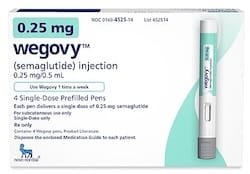
Buy Wegovy Online: Compare Best Prices and Order Today
Navigating Wegovy Dosage and Administration
Starting a weight management medication can feel like wandering into a dense forest without a compass. You aren’t just popping a pill and hoping for the best. Instead, it is a calculated, gradual journey. Doctors typically start you on a “ramp-up” phase to let your body acclimate to the semaglutide without throwing a tantrum.
This titration schedule is a marathon, not a sprint. You might start with a very low dose, often 0.25 mg, to teach your digestive system how to handle the changes. If you skip steps or jump the gun, you might find yourself feeling like you’ve swallowed a heavy stone during every meal.
The goal is to slowly climb the ladder of dosage, moving up every four weeks. This methodical approach helps minimize those pesky gastrointestinal side effects that many newcomers fear. Think of it as breaking in a new pair of leather boots; you don’t run a marathon on day one, or you’ll end up with blisters.
Many patients find that the nausea or fatigue experienced during these initial weeks is simply the body’s way of recalibrating. Your brain’s hunger signals are being rewired, and that transition can feel a bit like a bumpy car ride. It is important to stay hydrated and listen to your body’s subtle cues.
Choosing Your Method: Injections vs. Tablets
When deciding how to deliver this medication, you’ll find yourself at a crossroads between the traditional injection and the newer oral tablet. For years, the subcutaneous injection has been the gold standard. It is a once-weekly dose that enters your system through a tiny needle, providing a steady, slow release.
The emerging oral tablet option offers a different rhythm for your daily routine. While the injection is a weekly affair, the tablets require daily commitment. This shift from weekly to daily can be a game-changer for some, making it feel less like a medical procedure and more like a standard vitamin.
The costs can vary significantly depending on which path you take and your insurance coverage. For instance, some patients might see a 1.5 mg tablet for as little as $25 per month, while other doses or injection forms may climb higher. It is vital to sit down with your pharmacist to map out the financial landscape.
Here is a quick look at how the pricing might scale for different monthly doses of the tablet version:
| Dosage Level | Estimated Monthly Cost |
| 1.5 mg Tablet | $25 – $149 |
| 4 mg Tablet | $199 |
| High Dose Options | $299+ |
The Foundation of Lifestyle Integration
It is a common misconception that Wegovy is a magic wand that works while you sit on the couch. In reality, the medication is a powerful tool that works best when paired with a solid foundation. It is designed to be used alongside a calorie-reduced diet and increased physical activity.
Think of the medication as the wind in your sails; it makes the journey much easier, but you still need to steer the ship. Without a nutritional plan, you might hit a plateau where the weight loss stalls. Combining the drug with healthy habits ensures you are building a sustainable lifestyle, not just a temporary fix.
Exercise acts as the engine that keeps your metabolic fire burning. While the medication suppresses your appetite, physical activity helps maintain muscle mass and cardiovascular health. This dual approach is what leads to the lasting weight management that most people are searching for in their long-term wellness journey.
Some patients worry that if they don’t see immediate, dramatic results, the medication isn’t working. However, the most successful outcomes often come from those who embrace the holistic approach. It is about changing the entire ecosystem of your body, not just silencing the hunger pangs for a few hours a day.
Comparing Wegovy vs. Ozempic for Weight Management
At first glance, these two medications might look like identical twins. They both utilize the same active ingredient, semaglutide, to dance through your bloodstream. However, beneath the surface, they serve entirely different masters. One is a specialist in metabolic health, while the other is a precision tool designed for a specific lifestyle shift.
The most vital distinction lies in their FDA-approved labels. Ozempic is primarily intended to regulate blood sugar in individuals living with Type 2 diabetes. It is a steady hand for glucose management. Wegovy, however, is specifically FDA-approved for chronic weight management in adults dealing with obesity or overweight conditions.
Think of it like a Swiss Army knife versus a specialized kitchen knife. While they both have sharp edges, you wouldn’t use a paring knife to chop wood. Doctors view Wegovy as the heavy-duty instrument designed specifically to combat the complexities of long-term weight regulation and the metabolic hurdles that often come with it.
Because their intended uses diverge, the way a physician approaches your prescription will change. They aren’t just looking at your weight on a scale; they are looking at your entire metabolic profile. This distinction is the cornerstone of why your doctor might suggest one over the other based on your clinical history.
The Ripple Effect on Heart and Liver Health
Science has revealed that semaglutide does much more than just quiet the “food noise” in your brain. Recent studies have shown that it can significantly reduce the risk of Major Adverse Cardiovascular Events (MACE). This includes serious events like heart attacks or strokes that can disrupt a person’s life unexpectedly.
Beyond the heart, there is a growing focus on how this medication interacts with the liver. It has shown promise in addressing Metabolic Dysfunction-Associated Steatohepatitis, commonly known as MASH. This condition can be a silent predator, causing inflammation and scarring in the liver that goes unnoticed for years.
By addressing these underlying physiological issues, the medication acts as a multi-layered shield. It isn’t just about shedding pounds; it is about fortifying your internal systems. It’s like reinforcing the foundation of a house while you are simultaneously remodeling the interior decor to make it more livable.
This systemic benefit is a major reason why the conversation around these drugs has shifted. We are moving away from seeing them as simple “diet pills” and toward seeing them as comprehensive metabolic stabilizers. They tackle the root causes of many chronic issues rather than just the visible symptoms.
Dosage Nuances and Long-term Success
You might notice that the dosing schedules don’t always match up perfectly. While both aim to mimic the natural hormones in your body, Wegovy is often calibrated for higher, more sustained levels of appetite suppression. This is crucial for those aiming for significant, long-term weight maintenance over several years.
The goal of these higher doses is to ensure that the hunger signals stay silenced, preventing the “rebound hunger” that often derails weight loss efforts. If the dosage is too low, you might find yourself fighting a constant, losing battle against cravings. It’s about finding that “sweet spot” where satiety feels natural.
Healthcare providers distinguish between the two because the therapeutic window is different. For an Ozempic user, the goal is glycemic control. For a Wegovy user, the goal is a sustained caloric deficit through suppressed appetite. This subtle difference in intent leads to very different clinical expectations and monitoring protocols.
Ultimately, the choice depends on whether the primary goal is blood sugar stability or significant weight reduction. Managing weight is a marathon, and the dosage is the pacing mechanism that keeps you from burning out too early. It requires a delicate balance of chemistry and lifestyle commitment.
Here is a breakdown of the estimated monthly costs for different Wegovy tablet dosages:
| Monthly Dosage Plan | Estimated Cost |
|---|---|
| 1.5 mg Tablet Plan | $25 – $149 |
| 4 mg Tablet Plan | $199 |
| High Dose Options | $299+ |
Analyzing Wegovy Costs and Insurance Coverage
The Sticker Shock of Monthly Dosing
Walking into a pharmacy to pick up a prescription can sometimes feel like walking into a high-stakes poker game. You never quite know what the final number on the receipt will be until the transaction is complete. For Wegovy, the price tag isn’t a static figure; it shifts significantly as you climb the titration ladder.
Early in your journey, the lower doses might feel manageable. For instance, many patients find the 1.5 mg monthly cost sits around $149. It is a relatively gentle entry point into the world of GLP-1 medications, allowing you to adjust to the physiological changes without an immediate, massive financial blow to your monthly budget.
However, as your body acclimates and your doctor pushes for higher therapeutic levels, the costs escalate. Moving up to the 4 mg dose can jump the price to $199 per month. If you reach the higher-tier options, you might see figures closer to $299. It is a steep climb that requires careful financial planning for long-term success.
Think of it like a subscription service that gets more expensive as you unlock premium features. While the medication becomes more effective at silencing hunger, the financial commitment grows alongside your progress. Understanding this progression is vital so that a change in dosage doesn’t lead to a sudden, unwelcome shock to your bank account.
Navigating the Maze of Insurance and Copays
Insurance companies are notoriously fickle when it comes to weight management medications. Unlike medications for life-threatening heart conditions, weight loss drugs often face a “gatekeeper” mentality from providers. You might find yourself in a tug-of-war between your doctor’s clinical recommendation and your insurer’s strict list of approved uses.
Even with coverage, your out-of-pocket costs can fluctuate wildly depending on your specific plan. Your copay might be a flat fee, or it might be a percentage of the total cost. Because different strengths of Wegovy have different base prices, your monthly copay will likely shift every time your doctor increases your dosage.
It is quite common for patients to experience “coverage gaps” where the pharmacy says the drug is not covered, only to find out later that it requires a prior authorization. This paperwork dance can be incredibly frustrating, often feeling like you are running a hurdle race where the hurdles keep getting higher and further apart.
To keep things clear, here is a simplified look at how monthly pricing typically scales:
- 1.5 mg Monthly Dose: Approximately $149
- 4 mg Monthly Dose: Approximately $199
- High-Tier Doses: Starting at $299
Finding Relief Through Assistance and Savings
The good news is that you don’t always have to shoulder the entire burden alone. Many people believe the list price is the only option, but that is rarely the whole story. There are various lifelines available, such as manufacturer coupons or dedicated patient assistance programs, designed to bridge the gap for those in need.
If you find yourself struggling with the high cost, these programs can be a total game-changer. In some success stories, patients have managed to pay as little as $25 per month. It sounds almost too good to be true, but for those who qualify, these savings can make the difference between staying on track and giving up entirely.
Don’t be afraid to ask your pharmacist or your doctor’s office for help. Sometimes, the most effective way to lower your costs is simply to ask, “What assistance programs are available for this specific brand?” It is a proactive step that can turn an impossible expense into a manageable part of your healthcare routine.
Safety Profiles and Common Side Effects
Navigating the Digestive Journey
Embarking on a new medication journey is often a bit of a roller coaster. For many, the initial weeks involve a series of gastrointestinal hiccups that can feel quite unsettling. It isn’t uncommon to experience a persistent sense of nausea that lingers after meals, making the simple act of eating feel like a daunting chore.
Some patients find themselves dealing with more intense symptoms, such as vomiting or unexpected bouts of diarrhea. These issues often arise as the body attempts to adjust to the shifting hormonal landscape. While these symptoms can be quite uncomfortable, they are frequently temporary as your system learns to navigate this new physiological rhythm.
It is helpful to view these side effects not as a failure, but as a sign of the medication’s activity. Many users find that staying hydrated and eating smaller, more frequent meals can act as a soothing balm for these digestive disturbances. Taking things slow is often the best way to ride out the waves.
If you find that these symptoms are becoming a constant companion rather than a passing phase, it is vital to speak with a professional. While most people settle into a comfortable groove, you shouldn’t have to endure significant discomfort without guidance. A little patience and a bit of medical insight go a long way here.
Addressing Metabolic Health and MASH
Beyond the scale, there is a profound shift happening deep within your internal chemistry. Recent clinical observations have highlighted how Wegovy can tackle metabolic dysfunction-associated steatohepatitis (MASH). This condition, which involves fat buildup in the liver, can be a silent and dangerous predator if left unchecked by medical intervention.
By helping to regulate how your body processes fats and sugars, the medication offers more than just weight loss. It acts as a metabolic stabilizer, potentially reducing the inflammation that characterizes MASH. This creates a dual-action benefit: you are managing your weight while simultaneously protecting your liver from long-term damage.
Think of it as cleaning out the engine while simultaneously tuning the timing. When your metabolic markers improve, you aren’t just looking different in the mirror; you are fundamentally changing your biological trajectory. This holistic improvement is a cornerstone of why many clinicians view this treatment as a vital tool for metabolic health.
However, managing these complex metabolic shifts is not a DIY project. The way your liver responds to weight loss can be just as critical as the weight loss itself. Monitoring these internal changes ensures that the progress you see on the outside is being matched by health on the inside.
The Necessity of Clinical Oversight
While the benefits can feel like a breath of fresh air, it is essential to remember that Wegovy is a powerful tool that requires a steady hand. You wouldn’t attempt to pilot a high-performance aircraft without an instructor, and your body’s relationship with medication is no different. Constant medical supervision is your safety net.
Doctors monitor you to watch for rare but serious adverse reactions that fall outside the usual “stomach ache” category. For instance, issues involving the pancreas or gallbladder require immediate attention and professional assessment. Being proactive means having a medical partner who knows exactly what signs to look for before things escalate.
Regular check-ins allow for the careful titration of doses, ensuring you aren’t moving too fast for your body to keep up. This prevents the “all or nothing” cycle where patients either stop the medication due to discomfort or push through side effects that should actually be addressed by a doctor.
Ultimately, the goal is to find a sustainable middle ground. Your healthcare provider acts as a navigator, helping you steer through the complexities of hormonal changes and potential risks. Never skip a scheduled appointment; they are your primary defense against the unexpected complications that can arise during long-term treatment.
The Psychological Shift in Appetite Control
There is a peculiar, almost magical “feel-good” aspect that many users report once the constant noise of hunger finally goes quiet. It is as if a loud, buzzing radio in your brain has been turned down to a gentle hum. This psychological relief can be a massive catalyst for lasting lifestyle changes.
When you aren’t constantly preoccupied with your next meal or fighting intense cravings, your mental energy shifts. You might find you have more willpower to choose a salad over a burger or to take a walk instead of sitting on the couch. This newfound mental clarity is often the secret ingredient to success.
This reduction in “food noise” allows you to rebuild your relationship with eating. Instead of viewing food as an emotional trigger or an obsession, it becomes mere fuel. This shift in mindset is often more impactful than the actual number of pounds lost on the scale, as it fosters a sense of control.
However, it is important to use this mental space wisely. The goal is to use this period of clarity to establish healthy, permanent habits. If you simply use the lack of hunger to avoid nutritious food, you might miss out on the transformative potential of this psychological reprieve.
Practical Steps for Sourcing and Shipping
Navigating the path to obtaining a prescription can feel like a bureaucratic maze. You cannot simply walk into a pharmacy and demand a box of Wegovy; it requires a formal medical evaluation. A licensed healthcare provider must determine if your Body Mass Index (BMI) and medical history meet the specific criteria for weight management or MACE risk reduction.
The process typically begins with a consultation, which might be in-person or via a telehealth platform. During this chat, your doctor will likely review your cardiovascular health and any existing conditions like MASH. They are looking for a “green light” to ensure the medication is a safe tool for your specific biological profile.
Once your doctor gives the thumbs up, they will send an electronic prescription to your preferred pharmacy. You might find that navigating insurance coverage is the next hurdle. Depending on your plan, you could pay as little as $25 per month for certain versions, or perhaps $149 for a 1.5 mg monthly supply.
If you are paying out of pocket, costs can scale up quickly. For instance, a 4 mg monthly dose might run you around $199, while other configurations can reach $299. Knowing these numbers upfront prevents any “sticker shock” when you finally go to pick up your medication at the counter.
The Logistics of Specialized Delivery
If you choose to use a specialized pharmacy, the delivery experience is often a well-oiled machine. These services are designed to handle the delicate nature of injectable medications. You won’t just be receiving a standard cardboard box; you are getting a temperature-controlled package designed to keep the contents stable.
Most reputable services utilize insulated shipping containers and cold packs. This is vital because semaglutide is quite sensitive to temperature fluctuations. If the medication gets too warm, it might lose its potency, leaving you with an expensive vial of nothing but expensive water. It is a high-stakes game of “keep it cool.”
Tracking is usually a standard feature of these specialized shipments. You will receive updates as the package moves from the pharmacy warehouse to your doorstep. It is best to be home or have a secure, cool location ready to receive the package immediately upon its arrival to avoid any heat exposure.
Many patients find that subscription-based models for shipping are the most convenient. They automate the replenishment process so you never run out of your dose. This seamlessness is crucial for maintaining the steady metabolic shifts required for effective weight management and cardiovascular protection.
The Perils of Unverified Sources
The internet is a vast ocean, but not all waters are safe to navigate. You might stumble upon websites offering Wegovy at prices that seem too good to be true. If a site is promising “miracle results” or massive discounts without a prescription, consider pulling the emergency brake immediately.
Purchasing from unverified, non-reputable online sources is a gamble where the house always wins. These “gray market” sellers often ship counterfeit or diluted products. You might think you are buying a life-changing medication, but you could actually be injecting something entirely different, which is incredibly dangerous.
Counterfeit medications lack the rigorous quality control of legitimate manufacturers. They may contain incorrect dosages or harmful impurities that could cause severe reactions. It is a classic case of “penny wise, pound foolish.” Saving a few bucks upfront could lead to massive medical bills or even life-threatening emergencies later.
Always stick to the “tried and true” methods. This means using pharmacies that require a valid prescription from a verified provider. It might be slightly more expensive or take a few extra days to arrive, but peace of mind is a luxury that is well worth the extra cost.
Verifying Authenticity Upon Arrival
When your package finally arrives, don’t just toss it in the cabinet. You should perform a quick inspection of the packaging. Look for any signs of tampering, such as broken seals or crushed corners on the box. If the box looks like it has been through a war zone, do not use it.
Check the medication itself for any unusual characteristics. If you are using the injection pens, ensure the liquid is clear and colorless. Any cloudiness, discoloration, or unexpected particles in the fluid are major red flags. If something looks “off,” treat it as a signal to stop and investigate.
You can also verify the lot number and expiration date printed on the device. Every legitimate batch will have a traceable history. If a seller provides a product without a clear lot number, you are essentially flying blind. A legitimate pharmacy will always provide detailed information for your records.
If you have any doubts, contact the pharmacy immediately. Most reputable providers have a customer service line specifically for authenticity concerns. It is better to ask a “silly” question now than to deal with a medical complication later because you were too hesitant to speak up.
| Dosage Type | Estimated Monthly Cost (USD) |
| 1.5 mg Dose | $149 |
| 4 mg Dose | $199 |
| Specialty Pricing | As low as $25 |