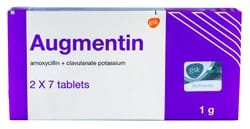
Buy Augmentin Online for Fast Prescription Delivery
Common Uses and Clinical Scenarios
Imagine walking into a doctor’s office with a throbbing sinus headache that refuses to quit. You might expect a simple antibiotic, but the reality is often a bit more complex. Doctors frequently turn to Augmentin when a standard, single-ingredient antibiotic just isn’t cutting the mustard against stubborn, lingering bacterial invaders.
The medication is a heavy hitter for various bacterial skirmishes. It excels at tackling infections that reside in the upper respiratory tract, such as acute sinusitis or chronic bronchitis. When the bacteria decide to play hard to get, this combination therapy steps up to the plate to clear the air.
It isn’t just about your head and chest, though. Many patients find relief from skin and soft tissue infections caused by *Staphylococcus* or *Streptococcus*. If a wound becomes red, swollen, or angry, a physician might reach for this particular tool to ensure the infection doesn’t spread further.
Commonly treated conditions include:
- Otitis Media: Middle ear infections that can be quite painful.
- Community-Acquired Pneumonia: Lung infections that require a strong response.
- Skin Abscesses: Localized infections that need deep-reaching treatment.
- HAP/VAP: Hospital-acquired pneumonia in more serious clinical settings.
Differentiating between these infections is a bit like sorting through a messy toolbox. A sinus infection usually presents with facial pressure and thick discharge, whereas a respiratory infection often brings a persistent, hacking cough. Skin infections, on the other hand, are much more visible to the naked eye.
A doctor looks for specific “red flags” to decide on the course of action. For instance, a simple throat infection might only require a light touch, but a deep-seated sinus blockage demands something with more muscle. It’s a delicate balancing act of clinical observation and diagnostic testing.
Sometimes, a patient might wonder why they aren’t just taking plain amoxicillin. It’s a fair question, much like asking why you’d use a Swiss Army knife instead of just a single blade. The answer lies in the sneaky way some bacteria try to hide from our defenses.
When a doctor prescribes amoxicillin-clavulanate over pure amoxicillin, they are looking for a tactical advantage. They aren’t just treating the infection; they are anticipating the bacteria’s ability to fight back. It is a proactive move designed to ensure the medication actually reaches its target.
The “secret sauce” here is the addition of clavulanate. Think of it as a specialized shield-breaker. While amoxicillin does the heavy lifting of killing bacteria, clavulanate steps in to dismantle the defensive walls that certain bacteria build to survive.
This mechanism is crucial for overcoming antibiotic resistance. Many bacteria produce enzymes called beta-lactamases, which act like tiny scissors, snipping the antibiotic molecules before they can do any real damage. This makes the bacteria effectively “immune” to standard treatments.
Clavulanate acts as a decoy, soaking up those destructive enzymes so the amoxicillin can work its magic undisturbed. Without this partnership, many common infections would become incredibly difficult, if not impossible, to treat with standard penicillin-class drugs. It’s a high-stakes game of biological chess.
Below is a comparison of how these medications differ in clinical application:
| Scenario | Preferred Medication | Reasoning |
| Simple Strep Throat | Amoxicillin | Low resistance risk; simpler approach. |
| Chronic Sinusitis | Augmentin | Targets resistant bacteria in sinus cavities. |
| Bite Wounds | Augmentin | Covers diverse, aggressive oral bacteria. |
Standard Dosage Protocols and Administration
Navigating the world of prescriptions can feel like walking through a dense fog without a flashlight. When a physician decides that Augmentin is the right tool for the job, they don’t just hand over a bottle and wish you luck. They follow specific protocols tailored to the severity of your infection and your body’s unique needs.
The strength of the dose is a critical variable in this biological equation. Depending on whether you are fighting a mild skin irritation or a deep-seated sinus infection, the milligram count will shift. It is not a “one size fits all” situation, as the concentration of the active ingredients must match the enemy’s strength.
Commonly, you will see three primary concentrations available at the pharmacy. These variations allow doctors to scale the treatment up or down. It is a bit like adjusting the volume on a radio; sometimes you need a whisper, and sometimes you need a loud, clear signal to drown out the noise of the infection.
- 250mg/125mg: Often used for pediatric patients or milder infections.
- 500mg/125mg: A standard middle-ground option for many adults.
- 875mg/125mg: A high-strength dose typically reserved for more aggressive bacterial battles.
Patients often ask if they can just take the pills whenever it’s convenient. The short answer is a resounding no. Timing is everything when you are trying to maintain a consistent level of medication in your bloodstream to keep those bacteria at bay.
Consistency is the name of the game here. If you take your doses at irregular intervals, the concentration of the drug in your system might dip below the “killing zone.” This gives the bacteria a chance to regroup and potentially develop even more resistance to the treatment.
Try to set a recurring alarm on your phone to act as your digital sentry. Whether it is every twelve hours or every eight, staying on schedule ensures the medication is always working hard. Think of it as a steady patrol guarding a perimeter against an invading force.
Sometimes, the biggest hurdle isn’t the infection itself, but the side effects. Stomach upset, nausea, and a bit of “tummy trouble” are common complaints when starting this medication. It can feel like your digestive system is a bit of a battlefield of its own.
To smooth out these rocky waters, many pharmacists suggest taking your dose with a meal. Food acts like a buffer, softening the blow to your stomach lining. It is a simple trick that can make the difference between a comfortable recovery and a very unpleasant afternoon.
If you happen to miss a dose, don’t panic, but don’t ignore it either. If you remember shortly after the scheduled time, go ahead and take it. However, if it is nearly time for your next dose, simply skip the missed one and get back on track.
Whatever you do, never double up to catch up. Taking a double dose is like trying to put out a small candle with a fire hose; it’s unnecessary and can lead to more side effects. Just pick up where you left off and keep moving forward.
The most vital rule of all is to finish the entire course of antibiotics, even if you feel like a superhero by day three. It is easy to feel invincible once the fever breaks and the pain subsides, but the invisible battle is far from over.
Stopping early is like leaving a job half-finished; the most stubborn bacteria might still be lurking in the shadows. If you quit too soon, you might find the infection returning with a vengeance, often stronger than it was when you started. Finish the bottle to ensure the job is done right.
Below is a breakdown of estimated retail costs for common prescription quantities:
| Quantity & Strength | Estimated Retail Cost | Terms |
|---|---|---|
| 20 Tablets (500mg) | $35 $ | Standard Co-pay |
| 60 Tablets (875mg) | $75 $ | Standard Co-pay |
| 100 Tablets (500mg) | $110 $ | Bulk Discount |
| 30 Tablets (250mg) | $25 $ | Pediatric Formulation |
Current Market Pricing and Cost Factors
Comparing Generic and Brand Costs
When you walk into a local pharmacy, you might notice two different labels on the shelf. The first is the brand-name version, which carries a premium price tag. This is often the result of heavy marketing and patent protections that allow manufacturers to charge a higher amount for the “original” recipe.
On the other hand, the generic version is the budget-friendly workhorse of the medical world. It contains the exact same active ingredients and works just as hard to fight your infection. Most people find that switching to generics is like choosing a store-brand cereal; it does the job without breaking the bank.
In the current market, you might see a significant gap between these two options. While the brand name might run you upwards of $150 for a full course, the generic alternative can often be found for a fraction of that cost. It is a simple math problem that can save you a lot of cash.
It is important to remember that “cheaper” doesn’t mean “lesser quality.” The FDA maintains strict standards to ensure generics are bioequivalent to the brand. You are essentially paying for the name on the box rather than a different chemical experience in your body. Always ask your pharmacist if a generic substitution is available.
Typical retail price estimates for a standard course of treatment include:
- Brand-Name Augmentin: $120 – $200+
- Generic Amoxicillin-Clavulanate: $20 – $60
Factors Influencing Price Fluctuations
The price of your medication isn’t set in stone; it shifts like the tide. One major factor is the supply chain. If a specific manufacturing plant faces a hiccup or a shortage of raw materials, the scarcity can drive prices through the roof. It is a delicate dance of supply and demand.
Geographic location also plays a massive role in what you pay at the register. A pharmacy in a bustling metropolitan area might have higher overhead costs, which are passed down to you. Meanwhile, a small-town drugstore might offer different rates depending on their local distribution contracts and volume.
Seasonality can also throw a wrench in the works. Since bacterial infections often spike during certain times of the year, such as the winter flu season, demand can surge. When everyone is rushing to the pharmacy at once, the economic gears begin to turn, often resulting in higher costs for everyone.
Finally, the sheer volume of the prescription matters. Buying a large supply at once can sometimes trigger bulk discounts, whereas a small, urgent “emergency” refill might come with a steeper price tag. It is always wise to check if your pharmacy offers any loyalty programs or discount coupons.
Insurance Coverage and Out-of-Pocket Expenses
Your insurance policy acts as a shield, but the thickness of that shield depends on your specific plan. Some plans have incredibly robust coverage that makes your out-of-pocket cost almost negligible. In those cases, you might only pay a small, flat fee regardless of the medication’s actual retail price.
However, if you have a high-deductible plan, you might find yourself paying the full retail price until you hit your annual limit. This can feel like a heavy blow to your wallet, especially if you are already dealing with the discomfort of being sick. It is a frustrating reality for many.
Co-insurance is another variable that can catch you off guard. Instead of a flat fee, you might be responsible for a percentage of the total cost. If the medication is expensive, that percentage can add up quickly, making your pharmacy visit much more costly than you originally anticipated.
To navigate this, always check your formulary beforehand. A formulary is essentially a “menu” of what your insurance is willing to pay for. If your specific dosage or formulation is on a higher tier, your out-of-pocket cost will climb. Knowledge is power when you are standing at the pharmacy counter.
Pharmacy Tiers and Cost Disparities
Not all pharmacies are created equal, and they certainly don’t charge the same. Large, national chains often have the leverage to negotiate better rates with manufacturers. This can result in lower prices for their members, whereas a small, independent pharmacy might have to charge more to keep the lights on.
Mail-order pharmacies are another player in this game. They often offer the lowest prices for long-term or bulk medications because they operate with much lower overhead. If your doctor prescribes a long course of treatment, checking with your insurance for their preferred mail-order option could save you a fortune.
Retail pharmacies also categorize drugs into “tiers.” Tier 1 usually consists of the most affordable, common generics. Tier 2 and Tier 3 often include more specialized or brand-name drugs that require higher co-pays. Understanding where your prescription sits on this ladder is the key to avoiding financial surprises.
In short, being a savvy shopper pays off. Comparing prices between a local corner store, a big-box retailer, and your insurance’s mail-order service can reveal significant differences. It might take a few extra phone calls, but those few minutes of effort can keep more money in your pocket.
Safe Purchasing and Pharmacy Verification
Navigating the digital marketplace for antibiotics can feel like walking through a minefield without a map. While the convenience of clicking a button is tempting, the internet is a double-edged sword. You might find prices that look too good to be true, but in the world of pharmaceuticals, if it seems like a steal, it probably is.
Watch out for websites that promise to ship Augmentin without a doctor’s consultation. If a site offers a “no prescription required” shortcut, run the other way. These rogue operators are often operating outside the law and selling substances that require professional medical supervision to ensure they are safe for your specific health profile.
Another massive red flag is the lack of contact information. A legitimate pharmacy will clearly list a physical address and a working phone number. If the website only provides a generic contact form and refuses to disclose where their warehouse is located, you are likely dealing with a ghost operation that will vanish once your payment clears.
Price is also a major indicator of potential danger. If a vendor is offering a full course of Amoxicillin-Clavulanate for $5 when the market average is much higher, your wallet might be saving money, but your health is paying the price. Extreme discounts are often the bait used to lure unsuspecting customers into a trap.
The Legal Necessity of Prescriptions
In the United States, Augmentin is classified as a prescription-only medication. This isn’t just a bureaucratic hurdle designed to annoy you; it is a critical safety barrier. Doctors must evaluate your symptoms to ensure that an antibiotic is actually the correct treatment for the specific infection you are battling.
Using antibiotics without a valid prescription is like driving a car without brakes. You might get where you think you’re going, but the risk of a catastrophic crash is incredibly high. Taking the wrong medication for the wrong infection can lead to ineffective treatment and, more importantly, the dangerous development of antibiotic resistance.
Legitimate pharmacies are legally required to verify a prescription before dispensing any medication. This process ensures that the dosage is appropriate for your weight, age, and medical history. Skipping this step by using an unverified source bypasses the most important safety check in the entire healthcare chain.
When you possess a valid prescription, you are protected by a paper trail. This trail ensures that your pharmacist can check for potential drug interactions with other medications you may be taking. Without that prescription, you are essentially flying blind, hoping that the pill you swallow won’t clash with your body’s chemistry.
Verifying Licensed US-Based Pharmacies
To ensure you are shopping with a legitimate entity, look for the VIPPS seal or the Digital Pharmacy Accreditation. These marks of quality signify that the pharmacy has undergone rigorous inspections to meet high standards of safety and professional integrity. It is your first line of defense against the shady characters lurking online.
A reliable way to verify a pharmacy is to check the National Association of Boards of Pharmacy (NABP) website. They maintain a database of licensed pharmacies. If the website you are visiting doesn’t appear in their verified lists, you should treat the transaction with extreme caution. It is better to be safe than sorry.
You should also check for a physical address that matches the state where the pharmacy is licensed. If a site claims to be based in Florida but only provides a P.O. Box for contact, their hands are waving a giant red flag. Real pharmacies have real storefronts or registered distribution centers that you can verify.
Lastly, look at the “About Us” section. A legitimate business will be transparent about its history and its mission. If the language is vague or purely focused on “low prices” without mentioning medical expertise or professional standards, you might be looking at a storefront designed solely to harvest your credit card details.
The Perils of Counterfeit Medications
The danger of unverified medications is not just about getting the wrong dose; it is about getting something entirely different. Counterfeit pills can contain nothing more than chalk and cornstarch, or worse, they can be laced with toxic substances like heavy metals or even fentanyl. It is a literal gamble with your life.
When a medication is counterfeit, it lacks any guarantee of potency. You might take a pill thinking it will fight a nasty sinus infection, but because the active ingredient is missing or degraded, the bacteria simply keeps multiplying. This allows the infection to grow stronger and more resistant to future treatments.
Consider the following risks associated with unverified sources:
- Contamination: Improper manufacturing conditions can lead to bacteria or mold being present in the pills.
- Incorrect Dosage: You may receive far too much or far too little of the drug, leading to toxicity or failure.
- Expired Ingredients: Unregulated sellers often offload expired stock that has lost its effectiveness.
- Identity Theft: Many “pharmacies” exist only to steal your personal and financial information.
Think of it this way: you wouldn’t buy car parts from a stranger in a dark alleyway just to save a few cents. Your internal organs deserve the same level of scrutiny. Stick to the professionals, use your insurance-approved providers, and never let a “too good to be true” price dictate your medical decisions.
Shipping Logistics and Delivery Timelines
Standard Shipping Methods
When you place an order for Augmentin, you aren’t just buying pills; you are initiating a high-stakes logistics operation. Most reputable pharmacies utilize standard ground shipping via major carriers like UPS or FedEx. These services are the workhorses of the medical supply chain, ensuring that your prescription travels from the warehouse to your doorstep with consistent reliability.
If your infection is particularly aggressive, you might opt for expedited shipping. This “fast track” option often carries a premium price tag, sometimes ranging from $15 to $45 depending on the distance. It is the difference between waiting a week and having the medication arrive by tomorrow afternoon. Speed often matters when you are feeling under the weather.
Some pharmacies also offer specialized courier services for high-priority medical needs. These are less common for standard antibiotic tablets but are vital for urgent care scenarios. Always check the shipping options at the final checkout stage. Choosing the right method ensures your treatment plan stays on track without any unnecessary delays or hiccups.
It is important to remember that shipping costs are rarely included in the initial price of the medication. You will likely see a breakdown of fees before you hit the “confirm” button. Always look at the total cost, including any handling fees, to avoid a surprise when your credit card statement arrives later that month.
Expected Delivery Windows
Timing is everything when you are dealing with an active infection. For domestic orders within the United States, you can typically expect your package to arrive within 3 to 7 business days. This window accounts for the time needed for a pharmacist to verify your prescription and prepare the specific dosage for shipment.
International shipping is a different beast entirely. If you are ordering from a provider located outside your home country, prepare for a longer wait. Customs inspections can be a real headache, often pushing delivery times to 2 to 4 weeks. It is like waiting for a slow-moving train; you can watch it approach, but you can’t make it go faster.
The following table provides a general overview of what you might expect regarding transit times:
| Order Type | Estimated Transit Time | Typical Cost Range |
| Domestic Standard | 3 – 7 Business Days | $5 – $12 |
| Domestic Express | 1 – 2 Business Days | $25 – $50 |
| International | 14 – 30 Days | $30 – $75 |
Keep in mind that holidays and extreme weather can throw a wrench in these estimates. A blizzard in the Midwest or a major postal strike can turn a five-day delivery into a ten-day ordeal. Always allow for a little bit of “buffer time” when planning your medication schedule around a new shipment.
Temperature Control and Handling
While many Augmentin tablets are quite stable, some liquid suspensions or specific formulations are sensitive to the heat. If your medication requires refrigeration, it must be shipped in specialized, insulated packaging. This is non-negotiable. If a liquid antibiotic arrives warm to the touch, do not assume it is safe to consume.
The integrity of the chemical compound is at stake if the temperature fluctuates wildly. Heat can degrade the active ingredients, turning a potent antibiotic into an expensive piece of useless chalk. It is better to be safe than sorry; if the packaging looks compromised or feels unnaturally warm, contact your pharmacist immediately.
When the package arrives, inspect the seals before opening. You want to ensure that the thermal barrier remains intact during its journey. If you are receiving a liquid form, check the temperature indicators if the pharmacy provided them. Proper storage is the silent guardian of your medication’s overall efficacy.
Once you receive your shipment, follow the storage instructions on the label to the letter. Most tablets should stay in a cool, dry place, away from direct sunlight. Treat your medicine like a delicate piece of technology; keep it away from the steam of the bathroom or the intense heat of a windowsill.
Tracking and Lost Shipments
In this digital age, “where is my package?” is a question that should have an immediate answer. Legitimate pharmacies will provide a tracking number via email or through your patient portal. This number is your lifeline. It allows you to watch the progress of your medication as it moves through various distribution hubs.
If your tracking information hasn’t updated in several days, don’t panic just yet. Sometimes, packages sit in a sorting facility for a bit while the system catches up. However, if the status hasn’t changed for over a week, it is time to roll up your sleeves and take action. Contact the pharmacy’s customer service department directly.
Lost shipments are a headache, but they are usually covered by the pharmacy’s shipping insurance. If the carrier confirms the package is lost, the pharmacy will typically issue a replacement or a refund. Make sure you have your order number and tracking ID ready. It makes the process much smoother and less frustrating for everyone.
Never try to “chase” a package by calling the shipping company before calling the pharmacy. The pharmacy is the sender and the contract holder; they have much more leverage to resolve disputes with the carrier. Let them do the heavy lifting while you focus on getting healthy and feeling better.
Side Effects and Interaction Management
Common Digestive Disruptions
Taking a potent antibiotic like Augmentin can sometimes feel like a storm brewing in your gut. Many patients report experiencing mild nausea or an upset stomach shortly after their first dose. It is quite common for the body to protest slightly as it adjusts to the medication’s chemical profile during the initial stages.
Diarrhea is perhaps the most frequent uninvited guest when using this medication. This happens because the antibiotic doesn’t just target the bad bacteria; it sometimes takes out the “good” microbes in your digestive tract too. Think of it as a cleaning crew that accidentally knocks over a few vases while scrubbing the floors.
To mitigate these issues, many doctors suggest taking your dose with a meal. This can act as a buffer, shielding your stomach lining from direct irritation. If you find yourself dealing with persistent loose stools, don’t just ignore it. While a little bit of discomfort is expected, anything severe requires a quick call to your doctor.
Staying well-hydrated is non-negotiable if you experience any gastrointestinal changes. Sip on water or electrolyte-rich drinks throughout the day to stay ahead of any potential dehydration. It is a small price to pay to ensure your body stays balanced while it fights off the underlying infection.
Identifying Severe Allergic Reactions
While most people tolerate the medication well, we must address the “elephant in the room”: allergic reactions. A mild rash or a few itchy hives might seem like a nuisance, but they are the body’s way of waving a yellow flag. You should never ignore these early warning signs when taking antibiotics.
A truly serious reaction, known as anaphylaxis, is a medical emergency that strikes like lightning. If you notice your throat tightening or difficulty breathing, stop everything and call emergency services immediately. This is not the time to wait and see if it passes; every second is precious in these critical situations.
Watch out for swelling in the face, lips, or tongue, as this can quickly obstruct your airway. Some people also experience a widespread, blistering skin rash or fever alongside these symptoms. If you see these signs, do not attempt to drive yourself; have someone else take you to the nearest emergency room.
It is vital to keep a list of any known allergies on your person at all times. If you have a history of reacting poorly to penicillin, you must inform your healthcare provider before they write a prescription. Being proactive is the best defense against a potentially life-threatening medical event.
Managing Medication and Supplement Interactions
Augmentin doesn’t play well with others if you aren’t careful. One of the most significant interactions involves oral contraceptives. If you are taking birth control pills, be aware that antibiotics can potentially decrease their effectiveness. It is like a noisy neighbor disrupting the signal of a radio station.
Because of this potential interference, many physicians recommend using a backup method, such as condoms, during your course of treatment. It is better to be overly cautious than to face an unplanned pregnancy due to a temporary medication clash. Always double-check with your pharmacist to see if your specific brand has unique risks.
Other medications, such as certain blood thinners or kidney-related drugs, may also require careful monitoring. If you are already on a complex cocktail of prescriptions, your doctor needs to see the full picture. They will often adjust your dosages or schedule your blood tests to ensure everything stays on the straight and narrow.
Be mindful of supplements too, particularly those containing minerals like calcium, iron, or magnesium. These can sometimes bind to the antibiotic in your stomach, preventing it from being absorbed properly. It’s like trying to walk through a crowd; the more “stuff” in your gut, the harder it is for the medicine to get through.
When to Contact Your Doctor
Communication with your healthcare provider is the cornerstone of safe medication use. You should reach out if you experience persistent vomiting that prevents you from keeping the pills down. If you can’t hold the medicine in your system, the infection will not have the chance to clear up.
Keep a sharp eye out for signs of a Clostridioides difficile (C. diff) infection. This typically manifests as severe, watery diarrhea or stomach cramps that feel much more intense than standard indigestion. This condition can become serious very quickly and requires immediate medical intervention to prevent dehydration and systemic issues.
If you notice any changes in your urine output or experience unusual swelling in your ankles or feet, give your doctor a ring. These can be subtle indicators that your kidneys are working harder than usual to process the medication. It is always better to have a professional tell you it’s nothing than to ignore a real problem.
Lastly, if the infection you are treating doesn’t seem to be improving after a few days of treatment, speak up. You might need a different type of antibiotic or a change in dosage. Don’t assume the medicine is “just taking its time”; your doctor is your best ally in navigating the road to recovery.