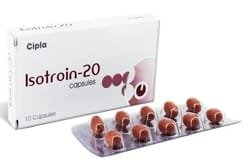
Buy Isotroin Online: Best Prices and Fast Shipping
Navigating the Acne Treatment Landscape
Walking into a dermatologist’s office can feel like entering a battlefield when your skin is under siege. Patients often arrive looking for a miracle, hoping for a magic pill to erase years of scarring. This is where the conversation usually turns toward Isotroin, a potent player in the world of clinical dermatology.
Many people hear the name and immediately think of Accutane. It is a common point of confusion, like mistaking a generic soda for a specific brand. To set the record straight, Accutane is a brand name, whereas Isotroin contains the active ingredient isotretinoin. They are essentially two different labels for the same chemical powerhouse.
Think of it like buying a gallon of milk; whether you grab the store brand or the name brand, the nutritional content remains the same. While the price might fluctuate between $30 and $100 depending on your pharmacy, the underlying medicine is the same. They both aim to tackle the most aggressive forms of skin inflammation.
The Threshold for Treatment
Doctors do not hand out these prescriptions like candy at a parade. There is a very strict gatekeeping process involved. Generally, Isotroin is reserved for severe, disfiguring nodular acne. This isn’t just about a few stubborn pimples that pop up before a big date.
We are talking about deep, painful lumps that sit beneath the skin’s surface. This type of acne can leave permanent scars that act as a constant reminder of the struggle. It is a heavy emotional burden that goes far beyond simple vanity or surface-level aesthetics.
When the skin is being physically reshaped by inflammation, the stakes are incredibly high. This is why the medical community treats this medication with such gravity. It is a heavy hitter brought in only when the battle has become truly overwhelming for the patient.
The criteria for diagnosis usually involve:
- Nodular acne that causes physical scarring.
- Cystic lesions that are widespread across the face or body.
- Acne that significantly impacts a person’s psychological well-being.
The Last Line of Defense
You might wonder why doctors don’t just start with the big guns. It’s a bit like using a sledgehammer to hang a picture frame. Usually, you try the lighter tools first, such as topical creams, benzoyl peroxide, or standard oral antibiotics.
If those conventional therapies fail to move the needle, the doctor moves to the next level. Isotroin is often prescribed when other medications simply do not work well enough. It is the “break glass in case of emergency” option for those whose skin has become totally recalcitrant.
It is a common scenario: a patient tries every over-the-counter wash and prescription gel under the sun. Nothing touches the deep-seated inflammation. At that point, the medical team looks toward oral retinoids to reset the skin’s entire biological process.
Oral retinoids act as a systemic overhaul for your sebaceous glands. Instead of just treating the surface, they work from the inside out to change how your skin produces oil. It is a profound shift that changes the very landscape of the skin’s cellular behavior.
Prescription Protocols and Daily Dosage
Getting a prescription for Isotroin isn’t as simple as picking a snack off a grocery shelf. Because this medication fundamentally alters your body’s chemistry, it requires a watchful eye from a medical professional. You cannot simply decide to start this regimen on your own whim or based on a friend’s recommendation.
Medical supervision acts as the safety net that keeps the treatment from veering off course. Doctors must monitor your bloodwork and liver function regularly to ensure your internal organs are handling the medication well. It is a collaborative dance between you and your dermatologist to maintain your systemic health.
Think of the doctor as a pilot navigating through a storm. They aren’t just giving you a pill; they are managing a complex biological reaction. Skipping check-ups or ignoring laboratory results is like flying blind in heavy fog. You need that professional guidance to ensure the treatment remains therapeutic rather than toxic.
The oversight is non-negotiable due to the drug’s potency. Without regular blood tests and clinical oversight, the risks to your liver and lipid levels could skyrocket. This is why the prescription process is so rigorous and why your doctor will be a permanent fixture in your treatment journey.
Determining the Right Dose
There is no “one size fits all” approach when it comes to daily milligrams. Your dermatologist will perform a calculation that feels almost like a math equation. They have to weigh your body mass against the sheer ferocity of your breakouts to find the “sweet spot.”
Weight plays a massive role in how much medication your system can safely process. A larger person might require a higher cumulative dose to reach therapeutic levels in the bloodstream, while a smaller person might need much less. It is a delicate balancing act of biochemistry.
The severity of your acne also dictates the intensity of the approach. If your skin is currently in a state of total rebellion, the doctor might aim for a more aggressive dosage. However, they must always prioritize your long-term safety over a quick fix to the complexion.
The goal is typically to reach a specific cumulative dose over several months. This requires patience, as the process is a marathon, not a sprint. You might find yourself taking different amounts of the medication depending on how your body responds during the initial weeks.
To help you understand the potential financial commitment, consider these common pricing structures for various pharmacy plans:
| Plan Type | Estimated Monthly Cost | Terms and Conditions |
|---|---|---|
| Generic Pharmacy | $35 | Requires active prescription and valid insurance. |
| Retail Brand Option | $85 | Often used if specific capsule sizes are needed. |
| Insurance Co-pay | $15 | Subject to your specific deductible and plan. |
| Mail-Order Service | $25 | Usually requires a 90-day supply commitment. |
Strict Clinical Adherence
Following the clinical guidelines is like following a flight manual; if you skip a step, things can go sideways quickly. You cannot simply decide to skip a day because you feel fine, nor should you double up if you miss a dose. Consistency is the golden rule here.
Dermatologists follow strict protocols to ensure that the medication reaches a therapeutic threshold. If you deviate from the prescribed schedule, you might inadvertently stall your progress or cause unnecessary side effects. It is vital to treat the regimen with the utmost respect and discipline.
Many patients find the side effects, like dry lips or skin, to be a nuisance. While they are manageable, they are often signs that the medicine is working its way through your system. Learning to live within these clinical boundaries is part of the healing process.
If you experience unusual symptoms, you must call your doctor immediately rather than trying to self-medicate. This level of vigilance is what separates a successful treatment from a dangerous one. Your doctor needs to know exactly how you are reacting to the daily dose.
The Role of Previous Therapies
Isotroin is rarely the first tool pulled from the medical kit. Most doctors will insist that you have tried other options before moving to this heavy hitter. It is often the “last resort” after traditional methods have failed to tame the fire.
Antibiotics are a standard part of the ladder. Often, a patient will spend months on oral antibiotics to reduce bacteria and inflammation. If the acne remains stubborn and refuses to budge, the doctor will then look toward Isotroin as the next logical step.
It can be frustrating to feel like you are “failing” at simpler treatments, but it isn’t a personal defeat. It’s simply the biology of your skin. Sometimes, the inflammation is so deep-seated that only a systemic overhaul can reach the root of the problem.
This history of treatment is actually vital for your doctor to know. They need to understand what has and hasn’t worked in the past to tailor your Isotroin experience. Every failed cream or unsuccessful antibiotic is a piece of the puzzle in your dermatological history.
Anticipated Side Effects and Safety Measures
Navigating Common Physical Changes
Preparing for treatment often feels like bracing for a storm. One of the most predictable signs that the medication is active is a profound dryness. Your skin might start to feel like parchment paper, and your lips can become incredibly chapped, sometimes to the point of bleeding. It is a small price to pay for clear skin, but it requires constant maintenance.
Think of your skin as a sponge that has lost its ability to hold moisture. You will likely need to carry a heavy-duty lip balm and a rich moisturizer everywhere you go. Some patients also notice dry eyes or a slightly itchy scalp. While these symptoms are common, they are essentially the “telltale signs” that the drug is working its magic deep within your pores.
To manage these issues, many people find themselves investing in a new skincare arsenal. You might find yourself spending an extra $30 to $50 on high-quality, non-comedogenic emollients to combat the dryness. It is not just about comfort; it is about protecting your skin barrier while the medication does its intense work on the sebaceous glands.
Don’t be surprised if you feel a bit “crusty” during the first few weeks. It is a rite of passage for most. If the dryness becomes painful or leads to significant cracking, reach out to your doctor. They can help you adjust your routine or ensure you aren’t experiencing an adverse reaction that goes beyond standard dryness.
Serious Safety Warnings and Monitoring
Beyond the surface-level dryness, there are much heavier considerations that demand your attention. The most critical warning involves potential birth defects. Because the medication is highly teratogenic, there is a severe risk to a developing fetus. This means strict, non-negotiable prevention measures are mandatory for anyone who could become pregnant during the course of the treatment.
Doctors take these risks very seriously, often implementing strict registries to ensure compliance. If you are a person of childbearing age, the protocols are incredibly rigorous. Skipping a single dose or failing to use protection could lead to devastating consequences. It is a heavy responsibility, but it is the bedrock of safe Isotroin administration.
Monitoring your internal health is just as vital as watching your skin. Regular blood tests are a standard requirement to check your liver function and triglyceride levels. The medication can sometimes cause your cholesterol to spike or put stress on your liver. Think of these tests as a “dashboard check” for your internal organs to ensure everything is running smoothly.
Your physician will likely schedule these blood draws at regular intervals, perhaps every month or two. If your levels move outside the safe range, your doctor may adjust your dosage or pause treatment entirely. It might feel like a lot of extra appointments, but these tests are your primary safety net against more serious systemic complications.
Systemic Impact and Long-term Vigilance
Isotroin doesn’t just sit on the surface; it travels through your entire system, affecting various bodily functions. Beyond the skin, it can impact your vision, potentially causing dryness in the eyes that makes wearing contact lenses uncomfortable. Some patients also report muscle or joint aches, particularly if they are physically active during their treatment regimen.
Mental health is another area that requires careful observation. While not everyone experiences it, some people report shifts in mood or emotional stability while on the medication. It is essential to communicate openly with your healthcare provider about how you are feeling, both physically and emotionally, to ensure your well-being remains a top priority.
When evaluating your progress, keep in mind that every body reacts differently to systemic retinoids. What works perfectly for one person might cause more irritation in another. This is why medical supervision is non-negotiable. You are not just treating acne; you are managing a powerful biological intervention that requires a watchful eye.
Ultimately, the goal is to achieve clear skin without compromising your overall health. By staying vigilant and adhering to the testing schedule, you can navigate the complexities of this medication safely. It is a journey of discipline, but the reward of a clear, healthy complexion makes the effort worthwhile for many.
Market Costs and Financial Planning
Navigating the financial side of a prescription can feel like trying to walk through a thick fog. You want to focus on your skin, but the numbers on the pharmacy receipt often take center stage. For many, the cost of Isotroin isn’t just a one-time sting; it is a recurring monthly commitment that requires careful budgeting.
Estimates for retail pricing vary widely depending on your location and the pharmacy you choose. Generally, you might see out-of-pocket costs ranging from $20 to $80 per month for the medication alone. However, these figures are just the tip of the iceberg when you factor in the necessary blood tests and specialized skincare products.
It is wise to set aside a “buffer fund” for these unexpected expenses. Between the pharmacy visits and the dermatologist’s office, the total financial footprint can grow quite quickly. Being prepared helps prevent the stress of a sudden bill from overshadowing the relief of seeing your acne finally clear up.
Insurance and Coverage Realities
Insurance is a double-edged sword in the world of specialized dermatological care. While a good plan can slash your monthly bill significantly, getting a “thumbs up” from your provider is not always a walk in the park. Some insurers may demand “step therapy,” requiring you to try cheaper options first.
If your doctor insists that Isotroin is medically necessary, you may need to fight for a prior authorization. This process can feel like a bureaucratic marathon, but it is often the key to making the treatment affordable. Without this approval, you might find yourself stuck paying the full retail price out of pocket.
Always check your specific plan’s formulary to see where this medication sits on their list. A high deductible can make even a “covered” drug feel expensive in the short term. It is better to call your provider today than to face a massive, unexpected bill when you pick up your refill next month.
Keep a folder of all your insurance communications. If a claim is denied, having your doctor’s notes ready can speed up the appeal process. Think of it as an investment in your skin’s future; a little bit of paperwork now can save you hundreds of dollars down the road.
Brand-Name vs. Generics
When you stand at the pharmacy counter, you will likely be asked if you want the brand-name version or the generic alternative. This decision is often the most direct way to influence your total cost. Generics are essentially the same chemical compound, working in the same way to treat your skin.
The primary difference is often just the name on the bottle and, occasionally, the shape or color of the capsule. For most patients, switching to a generic version is a “no-brainer” that can save a significant amount of money each month. It is a simple way to keep your budget from breaking.
| Option | Estimated Monthly Cost | Key Consideration |
| Brand-Name | $150 – $300+ | Higher cost, specific brand recognition |
| Generic | $20 – $80 | Same active ingredient, much cheaper |
However, a small handful of people might find they react differently to the fillers used in generic versions. If you notice any strange side effects after switching, have a quick chat with your physician. Most find the savings far outweigh any minor differences in how the pill looks or feels.
Savings Programs and Coupons
If insurance is being difficult, don’t lose heart just yet. There are several “safety valves” available to help lower the sting of the price tag. Many pharmacies and manufacturers offer coupons that can act as a lifeline for those paying full price out of pocket.
- Manufacturer Coupons: Sometimes offered directly by the drug maker to help with accessibility.
- Discount Apps: Services like GoodRx can provide significant discounts at various local pharmacies.
- Pharmacy Loyalty Programs: Some large chains offer their own internal savings or membership benefits.
- Assistance Programs: Non-profit organizations may help patients with specific financial needs.
It is worth spending a few minutes online searching for “Isotretinoin coupons” before you head to the store. It is a bit of digital detective work, but the payoff can be substantial. Sometimes, a simple coupon can turn a $100 bill into a $25 bill, making a massive difference in your monthly math.
Don’t be afraid to ask the pharmacist, “Is there a way to make this cheaper?” They see this every day and often have access to discount programs or information that isn’t immediately obvious. A little bit of curiosity can lead to a lot of savings for your wallet.
Acquisition and Shipping Logistics
Securing a Valid Prescription
Obtaining a prescription for Isotroin isn’t as simple as picking a candy bar off a shelf. Because this medication is a potent retinoid, the law requires a formal consultation with a licensed healthcare professional. Your dermatologist will likely evaluate your medical history to ensure this is the right path for your skin.
Usually, doctors won’t jump straight to this heavy hitter. They often insist you try conventional therapies, like antibiotics or topical creams, first. It is a “wait and see” approach that ensures the benefits outweigh the potential side effects. Once they decide it’s necessary, they will send a digital order to your pharmacy.
If you are using a specialty pharmacy, the process might feel like a bit of a hurdle race. You may need to undergo regular blood tests or pregnancy tests to remain compliant with safety protocols. It sounds like a lot of work, but it is all part of the safety net designed to protect you.
Once that legal paperwork is in order, the “green light” is given. Without a valid, dated prescription from a certified provider, no reputable pharmacy in the country will touch the order. This strict regulation is the gatekeeper that keeps high-potency treatments in the hands of those who truly need them.
Navigating Shipping and Delivery
Once your order is processed, you have to think about how that little package actually reaches your doorstep. Most pharmacies offer a variety of shipping methods depending on how much of a hurry you are in. It is a bit like choosing between standard mail or a courier service for a precious parcel.
Standard ground shipping is the most common and budget-friendly option for most patients. It usually takes a few business days to arrive, which is fine if you have plenty of pills left in your current bottle. However, if you are running low, you might want to opt for something faster.
Expedited or overnight shipping is available if you find yourself in a pinch. While it certainly adds a few extra dollars to your total, it provides peace of mind. There is nothing quite as stressful as seeing the bottom of your pill bottle when you are halfway through a cycle.
Keep in mind that temperature control can be a factor for certain dermatological medications. While Isotroin is relatively stable, many patients prefer receiving their packages in discreet, sturdy packaging. You want your medication to arrive in pristine condition, not crushed or exposed to extreme heat during transit.
The Importance of Verified Pharmacies
In the digital age, it is incredibly easy to stumble upon websites that look official but are essentially “ghost ships.” They might promise low prices, but they lack the actual credentials to sell controlled or highly regulated substances. Using an unverified pharmacy is like playing Russian roulette with your health.
Always look for the “VIP” status of a pharmacy by checking for a legitimate license from the National Association of Boards of Pharmacy. A real pharmacy will never ask you to bypass the prescription requirement. If a site tells you that you don’t need a doctor’s note, walk away immediately.
Verified pharmacies also offer much better communication. If there is a problem with your insurance or a shortage of stock, a legitimate pharmacist will call you. A rogue online vendor will simply take your money and vanish into the digital void. It is better to be safe than sorry when it comes to your bloodstream.
You can also look for the .pharmacy domain or check the LegitScript certification. These are like gold stars for online retailers. They prove that the business has been vetted and meets strict safety standards. It might take a few extra clicks, but it is worth the effort to ensure your medicine is the real deal.
Managing Delays and Verification
Even with everything perfectly lined up, things don’t always go according to plan. You might experience a sudden delay due to insurance “red tape” or a backlog at the pharmacy. It can be incredibly frustrating when you are ready to start your journey toward clearer skin but the box hasn’t arrived.
Medical verification is another common bottleneck. The pharmacy might need to contact your doctor to confirm the dosage or the duration of the treatment. This “back-and-forth” can add several days to your wait time. Patience is a virtue, but staying on top of your provider is even better.
| Reason for Delay | Likely Impact | How to Fix It |
| Insurance Prior Authorization | Can add 1-2 weeks | Call your provider’s office |
| Doctor Verification | Can add 3-5 days | Ensure pharmacy has your doctor’s direct line |
| Supply Chain Shortage | Variable timing | Ask your doctor about generic alternatives |
If you notice a delay, don’t just sit there twiddling your thumbs. Call the pharmacy and ask, “Is there a hold on my order?” Knowing the specific reason—whether it’s a missing signature or a payment issue—allows you to take action. A proactive approach can turn a two-week wait into a two-day fix.
Comparing Treatment Efficacy and Outcomes
When it comes to tackling severe, disfiguring nodular acne, the stakes are incredibly high. Patients often feel like they are fighting a losing battle against their own skin. Isotroin enters the ring as a heavy hitter, specifically designed for those cases where standard treatments have simply failed to move the needle.
The success rate for permanent acne remission is the “holy grail” for many. Unlike topical creams that merely manage the surface, this medication works from the inside out. For many, it offers a way to finally leave the cycle of scarring and inflammation behind for good.
However, it is not a magic wand that works overnight. While many patients experience a complete cessation of new breakouts, the “permanent” nature of the cure depends on individual biology. It is a powerful tool, but it is often the final line of defense for a reason.
The Hierarchy of Acne Treatments
Think of your treatment journey like a ladder. At the bottom, you have topical retinoids. These are often the first line of defense, working to keep pores clear. They are great for mild cases, but they can feel like trying to stop a flood with a tiny sponge.
Next up are oral antibiotics. These work by reducing inflammation and killing bacteria. They can be quite effective, but they are a temporary fix. Using them for too long is like trying to hold back the tide; eventually, the bacteria can become stubborn and resistant to the medicine.
Isotroin sits at the very top of this hierarchy. It is typically reserved for recalcitrant nodular acne that hasn’t responded to the options below it. Because it is so potent, it is often the only way to address the root causes of severe, life-altering skin issues.
Comparing these options involves looking at both the depth of action and the potential for long-term results. While topical treatments and antibiotics are wonderful for many, they often lack the sheer “stopping power” required for the most aggressive forms of acne.
| Treatment Type | Primary Mechanism | Typical Efficacy |
| Topical Retinoids | Cell turnover regulation | Mild to Moderate |
| Oral Antibiotics | Bacteria/Inflammation control | Moderate (Temporary) |
| Isotroin | Sebum production reduction | High (Long-term) |
The Timeline for Visible Change
Patience is a virtue when you are staring at a mirror every morning. You won’t wake up with flawless skin after the first dose. In the beginning, you might actually see a slight “purging” effect where things seem to get a little worse before they get better.
Typically, the first noticeable improvements in skin texture and oiliness appear within a few weeks. However, the real transformation often takes months of consistent use. It is a marathon, not a sprint, and your skin needs time to adjust to the systemic changes.
Most patients begin to see the “wow” factor around the three-to-four-month mark. This is when the redness starts to fade and the deep, painful nodules become a thing of the past. It is a slow dance of healing that requires staying the course.
It is vital to stick to the prescribed schedule. Skipping doses can throw a wrench in your progress and extend the timeline. Think of it like training for a marathon; you can’t just run once a week and expect to cross the finish line without a struggle.
Navigating the Risk of Relapse
Even after a successful course, the shadow of relapse can loom in the back of the mind. For most, the skin remains clear, but certain patient groups may face a higher risk of breakouts returning. It is not a one-size-fits-all guarantee for everyone.
People with extremely high androgen levels or those with underlying hormonal imbalances may find that their acne tries to make a comeback. In these cases, the medication acts as a powerful reset button, but the body’s natural tendencies might still play a role later on.
The likelihood of relapse is generally low for most patients who complete a full, doctor-supervised course. However, if the treatment was stopped prematurely or if the dosage wasn’t sufficient to address the underlying issue, the skin may eventually revolt again.
If you notice a sudden flare-up months after finishing your treatment, don’t panic. It doesn’t necessarily mean the medication failed. Instead, it might be time to consult your dermatologist to see if a maintenance plan or a different approach is needed.