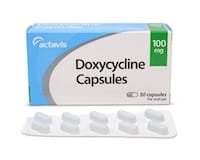
Buy Doxycycline Online at the Best Prices
Common Uses and Clinical Applications
When doctors reach for doxycycline, they aren’t just pulling a random tool from the kit; they are deploying a seasoned veteran. It is a heavy hitter in the fight against various bacterial invaders. Whether it is a stubborn case of cystic acne or a persistent chest cough, this medication often takes center stage in modern clinical practice.
For those battling skin issues, doxycycline acts like a calming force on an angry battlefield. It targets the Propionibacterium acnes bacteria that thrive beneath the surface. Instead of just masking the symptoms, it cuts down the production of inflammatory oils. This makes it a staple for teenagers and adults dealing with painful, deep-seated skin breakouts.
Respiratory health also finds a steady ally in this antibiotic. It is frequently prescribed when pneumonia or bronchitis starts knocking on the door. Because it can penetrate deep into the lung tissue, it provides a direct strike against the microbes causing the congestion. It is a reliable shield when the air feels heavy and every breath is a struggle.
Beyond the surface and the lungs, its reach extends into the complex world of infectious diseases. It is particularly famous for its role in managing Lyme disease. When a tick bites, the clock starts ticking immediately. Using doxycycline early can prevent the dreaded long-term neurological complications that often follow an untreated infection.
In many cases, clinicians use it as a proactive measure. If you are heading into a high-risk area where Lyme is common, a doctor might suggest prophylaxis. It is better to have a safety net in place than to face the grueling symptoms of the disease later. It is like wearing a raincoat before the storm actually breaks.
Gastrointestinal and Specialized Uses
Travelers often find themselves in a bind when their stomach decides to stage a protest. Travelers’ diarrhea can turn a dream vacation into a nightmare overnight. Doxycycline serves as a vital line of defense against the bacteria often found in contaminated food or water during international transit.
It isn’t just about the stomach, though. This medication is also a key player in treating specific gastrointestinal ailments like H. pylori. It works in tandem with other drugs to clear out the bacteria that can lead to painful ulcers. It is a precise tool for a very specific, very uncomfortable medical problem.
The versatility of this drug is truly remarkable when you look at the clinical data. It handles everything from respiratory tracts to the digestive system with impressive efficiency. It is the Swiss Army knife of the tetracycline family, ready to adapt to the specific needs of the patient’s unique biological battle.
While it is incredibly effective, it is important to remember that it is not a magic wand. It must be used under strict medical supervision to ensure the right dosage is applied. Taking it incorrectly is like using a sledgehammer to fix a delicate watch; it simply won’t work as intended.
Comparative Efficacy and Market Context
When we stack doxycycline up against its cousins, like minocycline or tetracycline, the differences become clear. While minocycline might offer slightly better penetration for certain skin conditions, doxycycline usually wins on the grounds of convenience. Its longer half-life means you don’t have to swallow pills every few hours.
This convenience factor is a massive advantage for patient compliance. If a treatment regimen is too difficult, people often skip doses, which is a recipe for antibiotic resistance. Doxycycline simplifies the process, making it much easier for patients to stay on track with their healing journey.
In the current market, the cost of treatment can vary wildly depending on your location and pharmacy. A standard course of generic doxycycline might cost around $15 to $30, though prices can fluctuate. It remains a highly cost-effective option compared to newer, more expensive classes of antibiotics like macrolides.
Ultimately, the choice of antibiotic depends on the specific culprit causing the illness. While doxycycline is a powerhouse, doctors will always weigh its efficacy against the patient’s history and the specific strain of bacteria involved. It is a calculated decision aimed at achieving the most efficient recovery possible.
| Comparison Metric | Doxycycline | Minocycline |
| Primary Strength | Versatility & Cost | Skin Penetration |
| Dosing Frequency | Typically 1-2x daily | Often 2x daily |
| Typical Cost Range | $15 – $30 | $40 – $70 |
Dosage Protocols and Administration
Navigating the specifics of how to take this medication is much like following a complex recipe. If you miss a step or use the wrong ingredients, the final result might not be what you hoped for. Doctors tailor the amount based on the specific enemy they are fighting within your body.
For most adults facing common bacterial infections, a standard dose typically falls between 100mg and 200mg taken once or twice daily. This approach ensures the concentration of the drug in your bloodstream remains high enough to keep the bacteria at bay throughout the day and night.
However, some conditions require a more aggressive stance. When dealing with severe respiratory issues or certain sexually transmitted infections, your physician might prescribe a higher dose or a more frequent schedule. It is vital to follow the prescribed instructions to the letter to avoid playing hide-and-seek with the infection.
Lyme disease is a notable exception where the dosing strategy changes significantly. In these cases, a long-term regimen is often necessary to ensure every trace of the bacteria is eradicated. Taking the medication for several weeks ensures the “cleanup crew” reaches every corner of your system.
Timing and Dietary Interactions
Timing is everything when it comes to maintaining steady levels of the medication. Think of your bloodstream like a reservoir; you want to keep the water level consistent rather than having it flood and then go dry. This consistency is what prevents the bacteria from finding an opening to multiply.
Food can play a tricky role in how your body absorbs the pill. While taking it with food can help if you have a sensitive stomach, certain items are absolute deal-breakers. Dairy products, such as milk or cheese, contain calcium which acts like a sponge, soaking up the medicine before it can work.
Antacids and multivitamins containing magnesium, aluminum, or iron can also interfere with the process. If you take these at the same time, you might as well be throwing your pills in the trash. It is best to space them out by several hours to ensure maximum absorption.
To avoid the dreaded “pill in the throat” sensation, always take your dose with a full glass of water. Many patients find that lying down immediately after taking it causes a burning sensation in the esophagus. It is a small discomfort, but one that is easily avoided with a little care.
Managing Side Effects and Pediatric Care
Stomach upset is the most common complaint, often feeling like a mild case of nausea or cramping. For many, this is a minor hurdle that can be managed by taking the dose with a small snack. If the discomfort becomes unbearable, your doctor might suggest adjusting the timing.
Another unique side effect is photosensitivity. The sun can feel much harsher on your skin when you are on this medication. It is as if your skin has lost its natural umbrella, making you much more prone to sudden, painful sunburns even on cloudy days. Wearing sunscreen is a wise precaution.
When it comes to children, the rules of the game change quite a bit. Historically, there were concerns about tooth discoloration in younger patients. Because of this, doctors are very careful about how they prescribe it to pediatric populations, often weighing the benefits against the potential for staining.
Pediatric dosing is strictly calculated based on the child’s body weight rather than a standard adult amount. It is a precision task that requires a steady hand. Always ensure your child is getting the exact amount prescribed to avoid under-treating the infection or causing unnecessary side effects.
Below is a comparison of common treatment options and their estimated market costs.
| Treatment Plan | Duration | Estimated Cost |
| Standard Generic Course | 7-10 Days | $15 – $35 |
| Extended Lyme Protocol | 14-28 Days | $40 – $85 |
| Traveler’s Prophylaxis | Variable | $20 – $50 |
| Specialized Pediatric Dose | Custom | $30 – $60 |
Current Market Pricing and Cost Factors
The Retail Landscape and Pill Pricing
Walking into a local pharmacy today can feel like stepping into a high-stakes marketplace. For a standard prescription of doxycycline, you might find the cost per pill hovering between $0.10 and $0.50 depending on your location. It sounds like small change, but those cents add up quickly when you’re looking at a full month’s supply.
It is not uncommon to see prices fluctuate wildly between different retail chains. Some big-box pharmacies might offer a bargain, while a small local boutique pharmacy might charge a premium for the convenience of being around the corner. It is always worth a quick phone call to compare rates before you commit to a specific location.
The price you see on the sticker isn’t the whole story, either. Insurance coverage plays a massive role in what actually leaves your wallet. With a good plan, that $30 prescription might shrink to a $10 copay, making the financial burden feel much lighter than it appears on the initial invoice.
Don’t be surprised if the price changes based on the strength of the dose. A 100mg tablet might be cheaper than a 200mg tablet, even if you need to take more of the smaller ones to reach your target. Always ask the pharmacist to run the math for you to avoid any surprises.
Generic vs. Brand Name Economics
When doctors write a script, they often specify “generic” to keep your costs from skyrocketing. In the world of doxycycline, the generic version is the undisputed king of value. It contains the exact same active ingredient as the brand name, working just as hard to fight off your infection.
Brand name versions of these medications are often a relic of the past, maintained primarily for specific proprietary delivery methods. Choosing the brand name is often like paying for the fancy packaging on a loaf of bread; it tastes the same, but you are paying a significant premium for the label on the wrapper.
Most savvy patients opt for the generic route without a second thought. The savings can be staggering, sometimes reducing your total bill by over 70%. It is a simple way to keep your healthcare budget from bleeding out while you focus on getting healthy again.
However, there are rare instances where a physician might insist on a specific brand for stability or absorption reasons. If your doctor makes this distinction, it is usually because they believe the specific formulation is better suited for your unique biology or a sensitive stomach.
Volume and Quantity Dynamics
Buying in bulk is a golden rule in almost every industry, and medicine is no thing different. If you are treating a long-term condition like Lyme disease, purchasing a 30-day supply at once is almost always more economical than grabbing a handful of pills every few days. It is a matter of logistics.
Pharmacists often have different pricing tiers based on the total quantity being dispensed. A 90-day supply might actually have a lower per-pill cost than a 10-day supply, making it a smart move for those on long-term regimens. It’s like buying the large box of cereal instead of the tiny individual portions.
On the flip side, short-term treatments for a quick infection might not benefit from these bulk discounts. If you only need a week of medication, don’t feel pressured to overbuy. The goal is to find the sweet spot where you aren’t paying for extra pills that might expire before you use them.
Keep an eye on your insurance’s “preferred” quantities. Sometimes, an insurance company will only cover a 30-day supply at a certain tier, and anything more might trigger a higher cost-sharing requirement. Always check your specific policy to ensure you are maximizing your coverage efficiency.
Supply Chain and Pharmacy Markups
The price you pay is ultimately shaped by a complex web of invisible hands. From the manufacturing plants to the distribution centers, every stop along the way adds a little bit of a “tax” to the final cost. These supply chain logistics can be quite volatile and unpredictable.
If there is a sudden shortage of raw ingredients or a hiccup in manufacturing, prices can spike like a fever. When the supply gets tight, the cost of obtaining the medication can jump, and unfortunately, that extra expense often trickles down directly to the consumer at the pharmacy counter.
Pharmacy markups are another piece of the puzzle. Every pharmacy has its own overhead, including rent, electricity, and the salaries of highly trained staff. While they need to make a profit to stay in business, the margin on common generics is often quite thin, leaving little room for negotiation.
Ultimately, you are seeing the end result of a global dance of supply and demand. While it can feel frustrating to see prices shift, understanding these underlying drivers can help you navigate the system with a bit more grace and foresight.
Purchasing Options and Pharmacy Selection
Walking into a local brick-and-mortar pharmacy feels like a walk in the park compared to the digital wild west. You can look the pharmacist in the eye and ask questions about your doxycycline regimen. There is a tangible sense of security when you hand over your insurance card and walk away with a physical bottle in hand.
Online pharmacies offer a different kind of convenience that is hard to ignore. You can skip the waiting room and have your pills delivered right to your doorstep. For those living in rural areas, this isn’t just a luxury; it is a vital lifeline. However, the digital ease comes with a set of rules you must follow.
The main difference lies in the speed of the transaction versus the depth of the service. Local shops are great for immediate needs, especially if you are dealing with an acute infection. Online retailers excel when you need a steady, predictable supply of medication sent to your home without the hassle of travel.
If you choose the online route, always look for a physical address and a working phone number. A legitimate pharmacy should be able to tell you exactly where they are located. If a website feels like a ghost town—no contact info, no real street address—it is best to run the other way immediately.
Watch out for the “too good to be true” trap. If a site offers doxycycline without a prescription or at a price that seems like a steal, your alarm bells should be ringing loudly. These are often rogue operations selling counterfeit or expired pills that could be dangerous to your health.
Always verify that the online pharmacy is licensed in your specific state. Many reputable sites will display a seal from the National Association of Boards of Pharmacy. If you see a website claiming to be a “discount” pharmacy but they refuse to ask for a valid prescription, consider them a major red flag.
The Necessity of a Valid Prescription
Think of a prescription as your golden ticket through the pharmacy gates. It is more than just a piece of paper; it is a legal command from a licensed healthcare provider. You cannot simply pick up doxycycline like you would a bottle of vitamins or over-the-counter pain relief.
A legitimate prescription ensures that the medication you are taking is actually appropriate for your specific condition. It acts as a safety net, confirming that a professional has vetted your medical history. Without it, you are essentially flying blind, which is a recipe for disaster when dealing with antibiotics.
When shopping online, a legitimate pharmacy will always require you to upload a script or have your doctor send it over directly. They should never ask you to “skip” this step. If a site offers to bypass the doctor entirely, they are operating outside the law and putting your safety at risk.
It is also wise to ensure your doctor is aware of where you are sourcing your pills. If you switch to an online provider, your physician needs to know so they can coordinate your care. This keeps everyone on the same page and prevents any gaps in your treatment plan.
Subscription Models vs. One-Time Purchases
For many, the choice between a one-time purchase and a subscription is like choosing between a snack and a meal plan. A one-time purchase is perfect if you are treating a brief, acute infection. Once the course is finished, your transaction is done, and you move on with your life.
Subscription models, however, are designed for the long haul. If you are managing a chronic condition that requires daily doxycycline, a subscription can be a lifesaver. It automates the process, ensuring you never run out of medication because you forgot to reorder on a Tuesday afternoon.
The economics of these models can vary wildly. Some services offer significant discounts if you commit to a monthly delivery, making it much cheaper than buying single bottles. It is a way to lock in a lower price and enjoy the peace of mind that comes with automation.
However, be wary of “subscription traps” where it is easy to sign up but incredibly difficult to cancel. Always read the fine print before you enter your credit card details. You want a service that is flexible, allowing you to pause or stop deliveries without a headache.
| Purchase Type | Best For | Primary Advantage | Potential Downside |
| One-Time | Acute infections | No long-term commitment | Higher cost per dose |
| Subscription | Chronic conditions | Convenience & savings | Difficult to cancel sometimes |
Shipping Logistics and Delivery Expectations
Timeline and Arrival Expectations
When you place an order for doxycycline, time is often of the essence. Most domestic shipments move through the system like a well-oiled machine, typically arriving within 3 to 7 business days. If you are in a rush, express shipping options are usually available for an extra fee, often ranging from $15 to $30 depending on your location.
It is important to remember that “business days” exclude weekends and holidays. If you order on a Friday afternoon, don’t expect a knock on the door by Monday morning. Think of the delivery window as a general guide rather than a rigid promise, as weather or carrier delays can occasionally throw a wrench in the gears.
Tracking your package is like watching a slow-motion movie where you wait for the next scene. Most reputable pharmacies provide a tracking number via email as soon as the label is printed. You can follow the journey from the warehouse to your doorstep, ensuring you are home to receive the package if necessary.
If your package goes missing in the digital void, don’t panic immediately. First, check with neighbors or your local post office, as sometimes carriers mark items as “delivered” a day early. If the package truly hasn’t arrived after the estimated window, contact the pharmacy’s support team to initiate a claim or a replacement.
Maintaining Medication Integrity
Antibiotics are somewhat sensitive creatures that require a stable environment. While doxycycline is generally robust, it shouldn’t be left out in the blistering sun or in a humid garage. Extreme temperatures can cause the chemical composition to degrade, effectively turning your medicine into expensive, useless chalk.
Most professional shippers use climate-controlled facilities, but the journey through the postal system is unpredictable. To keep your pills in peak condition, store the container in a cool, dry place once it arrives. Avoid the bathroom cabinet if it gets steamy during your morning showers, as moisture is a silent enemy.
If you notice any discoloration, a strange smell, or if the pills look crumbly, do not take them. It is better to be safe than sorry when it comes to your health. If the integrity of the medication is in doubt, contact your provider or the pharmacy to request a replacement shipment immediately.
Shipping costs for temperature-sensitive specialized packaging can vary. While standard shipping might be $5, a specialized insulated container might add another $15 to your total. This extra cost is a small price to pay for the peace of mind that your treatment remains effective and safe.
International Shipping and Customs
Sending medication across borders is like navigating a minefield of regulations. Every country has its own set of rules regarding what can enter its soil. What is perfectly legal in the United States might be strictly prohibited or require special permits in the United Kingdom or Canada.
Customs officials are the gatekeepers of international mail, and they are notoriously thorough. If you attempt to ship doxycycline to a country where it is controlled, the package may be seized or destroyed. This can lead to frustrating delays and the loss of the money you spent on the order.
Before you even click the “buy” button, do your homework. Check with your local customs agency to see if you need a specific prescription or authorization. It is much better to spend ten minutes researching than to lose your shipment to a customs warehouse halfway across the globe.
Be prepared for potential customs fees that are not included in your initial checkout price. Sometimes, a package might arrive with a bill for import taxes or handling fees. It is wise to have a little extra cash on hand to cover these unexpected costs to ensure a smooth delivery.
Comparative Value and Savings Strategies
Maximizing Discounts and Coupons
Staring at a high price tag on a pharmacy screen can feel like a punch to the gut. Luckily, you don’t have to pay full retail every single time. Many manufacturers offer digital coupons that act like a golden ticket, slashing your out-of-pocket expenses significantly. These are often found on the official manufacturer website.
Don’t overlook the power of discount cards, which function similarly to a library card for your wallet. These third-party cards can often reduce the cost of a standard prescription by $20 or $30. They are frequently free to use, so there is no reason to leave money on the table when you are paying for health.
Sometimes, the best deal is hidden in plain sight within a pharmacy’s mobile app. Many major chains offer “instant savings” if you use their specific digital platform. It is worth the two minutes of effort to scan through these options before you finalize your checkout to ensure you are getting the best possible price.
If you find yourself needing a long-term supply, keep a close eye on seasonal promotions. While antibiotics aren’t typically seasonal, some large-scale retailers run massive sales on generic medications. Being a savvy shopper means staying alert to these shifts so you can time your purchases perfectly for maximum financial benefit.
Bulk Buying vs. Individual Refills
When it comes to long-term treatment, the “buy in bulk” mantra often holds true. Purchasing a 90-day supply of doxycycline can sometimes be cheaper than paying for three separate 30-day refills. It is a classic case of economies of scale, where the unit price drops as the quantity of pills increases significantly.
However, you must weigh the upfront cost against your immediate budget. While a large bottle might save you $40 in the long run, it requires a larger lump sum today. If your finances are tight this week, it might be smarter to stick to smaller, more manageable refills to keep your cash flow steady.
Consider the logistics of storage and expiration dates as well. Buying a massive pile of pills only makes sense if you are certain you will finish them before they lose potency. There is nothing quite as frustrating as having to toss half a bottle because the expiration date finally rolled around too soon.
To see the actual math, look at a quick comparison of typical costs:
| Order Type | Estimated Total Cost | Estimated Monthly Average |
| 30-Day Refill | $45 | $45 |
| 90-Day Bulk Supply | $95 | $31.66 |
Navigating Insurance Coverage Nuances
Insurance companies are notoriously fickle, and their coverage rules can feel like a labyrinth. One month, doxycycline might be covered with a minimal copay, but the next, your plan might demand a higher tier of payment. Always check your “formulary” to see where your specific medication falls in their hierarchy.
Prior authorization is a common hurdle that can stall your treatment in its tracks. This is essentially the insurance company saying, “We need your doctor to prove this is absolutely necessary before we pay a dime.” If this happens, don’t panic; it is a standard part of the bureaucratic dance of modern healthcare.
Sometimes, a “step therapy” requirement might be thrown your way. This means your insurer wants you to try a cheaper, alternative medication before they will agree to cover the doxycycline. It can feel like a tedious game of hoops, but understanding this requirement can save you weeks of waiting for approvals.
Always verify if your plan has a “preferred pharmacy” network. Using an out-of-network pharmacy is like taking the scenic route through a thunderstorm; it’s much slower and much more expensive. Sticking to their preferred providers can often shave $20 or more off your total pharmacy bill every single month.
Negotiating with Local Providers
The pharmacy counter doesn’t have to be a “take it or leave it” situation. Many local pharmacists are surprisingly willing to help you find a way to lower the price. If the cost seems sky-high, simply ask, “Is there a generic version or a discount program available for this?” It never hurts to ask.
You can also try comparing prices between different local chains. A pharmacy three miles down the road might have a significantly lower cash price for the same medication. A little bit of “window shopping” via phone calls can lead to discovering massive savings that aren’t advertised on the front windows.
If you are facing a truly high bill, ask about “GoodRx” or similar price-comparison tools. These services can sometimes bring a price down from $100 to $15 in a matter of seconds. It is like having a secret menu for medication pricing that most people completely ignore out of sheer habit.
Finally, if you are dealing with a chronic condition, ask about “maintenance medication” programs. Some pharmacies offer specialized pricing for patients who need the same prescription filled every month. Building a relationship with a local pharmacist can often result in them looking out for you when prices start to climb.