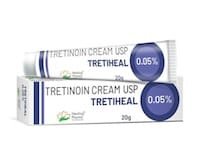
Buy Tretinoin Cream Online at the Best Price
Mastering the Application Ritual
Think of tretinoin as a slow dance with your skin’s biology rather than a quick fix. You wouldn’t sprint a marathon without a warm-up, so don’t expect miracles by tomorrow morning. It is a long game that requires patience and a steady hand to actually see the benefits of cellular turnover.
Applying this potent retinoid is like handling a piece of fine china. One wrong move can crack your skin barrier. Start small. If you dive into the deep end too quickly, you might end up with a desert of dryness and peeling skin.
The “sandwich technique” is a lifesaver for people with sensitive complexions. Apply a thin layer of moisturizer, follow it with a pea-sized amount of tretinoin, and then add another layer of moisturizer. This creates a buffer, softening the impact while still letting the active ingredients do their work.
Consistency is your best friend here. Skipping nights might feel easier when your face feels a bit tight, but consistency is what truly transforms your complexion. You have to play by the rules if you want to see the glow everyone talks about.
The Golden Rules of Timing
Sunlight is the sworn enemy of tretinoin. This ingredient is notoriously photosensitive, meaning it breaks down when exposed to UV rays. If you apply it in the morning, you are essentially throwing your money down the drain and inviting sun damage.
Always wait until the sun has tucked itself away before starting your routine. Nighttime is when your skin goes into repair mode, making it the perfect window for this heavy hitter. It is a nocturnal ritual that works while you dream of smoother skin.
Furthermore, ensure your skin is bone-dry before application. Applying tretinoin to damp skin is like pouring gasoline on a fire; it absorbs too deeply and too quickly. This can lead to intense irritation that leaves your face feeling like a piece of sandpaper.
Wait at least twenty minutes after washing your face before applying the cream. This ensures any residual moisture has evaporated. It might seem like a tedious wait, but it is the difference between a glowing complexion and a red, angry breakout.
The Pea-Sized Protocol
Less is truly more with this medication. Many people make the mistake of thinking a dollop the size of a grape will work faster. In reality, that is a recipe for a chemical burn. You only need a pea-sized amount.
Dot the product onto your forehead, cheeks, and chin. Spread it thinly and evenly, avoiding the sensitive corners of your nose and the delicate skin around your eyes. These areas are prone to “pooling,” which can cause localized peeling and extreme redness.
If you find yourself struggling with the texture, try mixing it with a gentle, non-active moisturizer. This dilutes the strength slightly but helps prevent the dreaded “retinoid purge.” It is better to use a little more often than a lot once a week.
Keep track of your progress to ensure you aren’t overdoing it. If your skin feels tight, itchy, or looks shiny like plastic, you are likely over-applying. Scale back immediately and focus on hydration until your skin barrier feels sturdy again.
| Phase | Frequency | Primary Goal |
| Acclimatization | 2x per week | Build tolerance |
| Integration | Every other night | Minimize irritation |
| Maintenance | Nightly | Maximize results |
Essential Accompaniments
You cannot walk into a storm without an umbrella, and you shouldn’t use tretinoin without a high-quality SPF. Even if you stay indoors, the UVA rays penetrating through your windows are working against you. A daily SPF 30 or higher is non-negotiable.
Hydration is your secret weapon. Look for ingredients like hyaluronic acid and ceramides to bolster your skin’s natural defense system. Think of these as the protective armor that allows your skin to handle the heavy lifting done by the tretinoin.
Avoid other harsh exfoliants while you are starting out. Using salicylic acid or glycolic acid at the same time as tretinoin is like trying to sand a piece of wood with two different grits at once. It’s simply too much for the skin to handle.
If you find yourself reaching for a soothing balm, don’t panic. It is all part of the learning curve. Just remember that a little bit of redness is normal, but actual pain or intense burning means you need to step back and breathe.
- Use a gentle, non-foaming cleanser.
- Apply moisturizer while skin is still slightly damp.
- Always use a broad-spectrum sunscreen every single morning.
- Avoid physical scrubs during the initial adjustment period.
Navigating Concentrations and Formulations
Deciphering the Strength Scale
Walking into a pharmacy or browsing an online apothecary can feel like walking through a minefield. You might see 0.025%, 0.05%, and 0.1% staring back at you from the labels. These aren’t just random numbers. They are the dial settings for how aggressively your skin cells will turn over.
Starting at the highest concentration is a rookie mistake that often ends in a fiery disaster. Think of it like jumping into a cold pool in the dead of winter. It is better to dip your toes in with a low dose to let your skin acclimate slowly.
The 0.025% strength is generally the “training wheels” of the tretinoin world. It allows your skin to learn how to handle the rapid cell turnover without losing its mind. Once your skin stops flaking like an old newspaper, you might consider moving up the ladder.
Many dermatologists suggest that 0.05% is the “sweet spot” for many users. It offers a potent punch for acne and fine lines without being quite as punishing as the maximum strength. It is a delicate balance between seeing results and maintaining a healthy, intact skin barrier.
Creams, Gels, and Lotions
The vehicle—the substance that carries the active ingredient—is just as important as the dose itself. Creams are often the friendliest option for those with dry or sensitive skin. They act like a soothing hug, providing a bit of extra moisture while the medicine works its magic.
If your skin is an oil slick, a gel formulation might be your best friend. Gels are lightweight and absorb almost instantly, leaving no greasy residue behind. However, they can be a bit more drying, so keep a heavy-duty moisturizer standing by to catch any fallout.
Lotions sit somewhere in the middle, offering a balance of hydration and a quick finish. Choosing the wrong texture can lead to a frustrating cycle of breakouts or extreme dryness. Listen to your skin; it will tell you which delivery method it prefers through its texture and shine.
Some people even prefer a “sandwich technique” where they layer products to control the intensity. Applying a light moisturizer, then the tretinoin, and then another layer of cream can turn a harsh gel into a much more tolerable experience. It is all about customizing the delivery to your unique biology.
Below is a comparison of common market options to help you understand the cost of maintaining your regimen.
| Product Type | Typical Volume | Estimated Monthly Cost |
|---|---|---|
| Prescription Cream (0.025%) | 15g | $45 |
| Prescription Gel (0.05%) | 15g | $60 |
| Prescription Cream (0.1%) | 15g | $85 |
| Generic Compounded Cream | 30g | $55 |
Finding Your Perfect Match
Don’t let the marketing hype drive your decision-making process. A more expensive brand doesn’t always mean a better result; sometimes, you are just paying for fancy packaging and a scent that won’t last long anyway. Focus on the active concentration and the texture that suits your skin type.
It is a marathon, not a sprint, so don’t rush to upgrade your strength just because you haven’t seen a miracle in two weeks. Tretinoin is a slow burn. It takes months of consistent application to truly see the structural changes in your skin’s texture and tone.
Keep a journal or a simple note on your phone to track how your skin reacts to different concentrations. Noting when you feel “the sting” or when your skin looks particularly radiant can help you decide when to stick or when to pivot. Knowledge is power in this skincare journey.
If you find that even the lowest dose makes you peel like a sunburn, step back for a week. There is no shame in taking a break to rebuild your moisture barrier. A healthy skin barrier is the foundation upon which all other beauty products are built.
- Choose creams if you have dry or flaky skin.
- Opt for gels if you are prone to oily skin or congestion.
- Start with the lowest percentage to avoid chemical burns.
- Monitor your skin’s reaction before stepping up in strength.
Price Breakdown and Cost Efficiency
Navigating the financial side of prescription skincare can feel like walking through a minefield. You might find yourself staring at a pharmacy bill that looks more like a car payment than a skincare routine. It is easy to get lost in the sea of pricing tiers and varying quantities.
Many users find that the initial outlay for a prescription can sting a bit. However, if you look at the long game, tretinoin is actually a bargain. It is much cheaper to invest in a single tube of gold-standard retinoid than to chase a dozen expensive, over-the-counter serums.
The true cost isn’t just the number on the receipt. You must also account for the “hidden” expenses. This includes the high-quality, non-comedogenic moisturizers and the mineral-heavy sunscreens required to protect your skin while it undergoes this chemical metamorphosis.
If you are on a tight budget, generic options are your best friend. Many insurance companies will cover the cost if you have a valid prescription from a dermatologist. Don’t be afraid to ask your doctor about the most cost-effective way to maintain your regimen.
Pharmacy vs. Online Platforms
The traditional pharmacy route is a classic for a reason. You walk in, hand over your script, and walk out with your medicine. It is straightforward, but it can be pricey depending on your specific insurance coverage and the pharmacy’s internal pricing structure.
On the other hand, online telehealth platforms have completely changed the landscape. These services often offer bundled pricing that includes the consultation and the medication. It feels like a modern, streamlined approach for the digital age, saving you a trip to the doctor’s office.
I remember a friend who spent a fortune at a high-end boutique clinic. Meanwhile, her neighbor was getting the exact same active ingredient from a mail-order service for a fraction of the price. It was a wake-up call regarding how much we often overpay for convenience.
When comparing these options, always look at the price per gram. A larger tube might seem expensive upfront, but it often offers a much lower price per ounce. It is the skincare equivalent of buying in bulk at the grocery store to save money.
| Provider Type | Estimated Cost Range | Pros/Cons |
|---|---|---|
| Local Retail Pharmacy | $40 – $90 | Fast pickup; may be high without insurance. |
| Telehealth Services | $30 – $75 | Convenient; price includes doctor visit. |
| Compounding Pharmacies | $50 – $110 | Customized strength; can be expensive. |
Maximizing Your Investment
To get every penny’s worth out of your tube, you have to be disciplined. A little goes a long way, and using too much won’t speed up your results; it will only increase your irritation. Think of it like a concentrated espresso shot rather than a cup of drip coffee.
The “pea-sized” rule is sacred. Applying more than a small amount across your entire face is essentially throwing money down the drain. It is a waste of product and a recipe for a red, peeling mess that will keep you up at night.
Storing your product correctly is another way to protect your investment. Keep it in a cool, dark place. Heat and sunlight are the enemies of stability, and you don’t want your expensive cream turning into useless liquid before you finish the tube.
Finally, consider the timing of your purchases. If you can, try to time your refills so you don’t run out. Being without your active ingredient for a week can disrupt your skin’s acclimation process, making it harder to maintain the progress you’ve worked so hard for.
- Use a pea-sized amount to avoid wasting expensive product.
- Check for generic versions to lower your monthly expenditure.
- Always account for the cost of accompanying sunscreens.
- Store tubes in a cool, dark place to maintain potency.
Sourcing Your Prescription Safely
Navigating the world of prescription skincare can feel like walking through a minefield of misinformation. You might encounter shady websites promising “miracle cures” at lightning-fast speeds. Please, take my advice: do not bite that bait. If a deal looks too good to be true, it usually is, and your skin might pay the price for your curiosity.
The golden rule is to ensure your source is legitimate and regulated. A true prescription must come from a licensed healthcare professional who has evaluated your skin concerns. Cutting corners by buying from unverified international vendors is like playing Russian roulette with your facial barrier. You might save a few bucks, but the risks are astronomical.
I once knew a woman who ordered a “bargain” tube from a social media ad. It arrived in a plain, unlabeled box with no expiration date. Within three days, her skin was a bright, angry red. It turned out to be a counterfeit product containing harsh, undisclosed chemicals. Stick to the professionals to avoid such a nightmare.
Identifying Red Flags
The internet is a vast wilderness where counterfeiters hide in plain sight. Be wary of any site that offers to sell you tretinoin without requiring a formal consultation or a valid prescription from a doctor. Legitimate pharmacies are bound by strict regulations and will never skip the medical assessment phase of your journey.
Watch out for suspicious pricing that deviates wildly from the market average. If most providers are charging around $50, but a random site is offering a massive tube for $5, your alarm bells should be ringing loudly. These “too-good-to-be-true” offers are often laced with impurities or incorrect concentrations that can cause chemical burns.
Always check for physical indicators of authenticity when your package arrives. A legitimate tube should have a clear expiration date, a full list of ingredients, and a manufacturer’s seal. If the packaging looks flimsy, the text is blurry, or the cream has an odd, pungent smell, stop using it immediately and contact your provider.
Verify the pharmacy’s credentials before you ever enter your credit card information. Look for the VIPPS (Verified Internet Pharmacy Practice Standards) seal or check with the National Association of Boards of Pharmacy. This extra step provides a layer of security that is well worth the few minutes of effort you spend researching.
- Avoid any website that does not require a prescription for sale.
- Be skeptical of prices that seem drastically lower than all reputable competitors.
- Check for clear expiration dates and ingredient labels upon delivery.
- Verify pharmacy legitimacy through official regulatory boards.
The Importance of Professional Oversight
Tretinoin is a powerful tool, but it is a double-edged sword that requires a steady hand. A dermatologist does more than just hand over a script; they assess your skin’s current tolerance and history. This professional guidance is what differentiates a successful skin transformation from a frustrating cycle of irritation and damage.
Sometimes, you might find that the standard 0.05% strength is simply too aggressive for your complexion. A doctor can recommend a lower concentration or a specific formulation that minimizes the inevitable “retinoid purge.” Without this professional roadmap, you are essentially flying blind into a storm of potential side effects.
Medical oversight also helps you navigate the inevitable “peeling phase” that many newcomers encounter. A doctor can prescribe a specific schedule, such as the “sandwich method,” to buffer the medication. This professional strategy helps you reap the anti-aging benefits without turning your face into a flaky, sensitive mess.
Think of a dermatologist as your personal guide through a complex landscape. They can adjust your dosage as your skin builds tolerance, ensuring you never hit a plateau. Investing in a professional consultation is the smartest way to ensure your journey toward clearer skin is both effective and safe.
Managing the Purge and Side Effects
Walking into the retinoid phase is a bit like bracing for a storm. You might notice a sudden flare-up of acne or widespread dryness. This phenomenon, often called “the purge,” happens because the medication accelerates cell turnover. It essentially pushes all the hidden congestion to the surface of your skin all at once.
It is easy to panic when you see a new whitehead popping up after a week of use. However, try to stay the course. Think of it as a deep cleaning for your pores; the old debris has to come out before the new, healthy skin can shine through. Patience is your best friend here.
If you skip the purge phase, you might feel like you’re failing. In reality, your skin is just doing its job. It is a temporary, albeit frustrating, rite of passage. Most users find that this period lasts anywhere from two to six weeks before things start looking significantly better.
If the irritation feels less like a “deep clean” and more like a chemical burn, pull the emergency brake. There is a massive difference between mild flaking and raw, weeping skin. If your face feels like it’s on fire, you are likely using too much product or applying it too frequently.
Navigating Common Skin Reactions
Redness and peeling are the most common uninvited guests. Your skin might start looking like a desert landscape after a few days of application. This happens because the skin’s natural moisture barrier is temporarily disrupted as it adapts to the potent active ingredients in the cream.
To combat this, you must treat your skin with kid gloves. Integrating a heavy, ceramide-rich moisturizer can act like a soothing balm for your complexion. Think of your moisturizer as a protective shield that helps your skin rebuild its barrier while the tretinoin does the heavy lifting underneath.
I once worked with a client who tried to “power through” the dryness by using more tretinoin. She ended up with a damaged barrier that took months to heal. Instead of fighting the dryness, she embraced a more gentle, slower approach to application. This was a game-changer for her results.
Keep a close eye on how your skin responds to other products. During this time, you should put away the harsh physical scrubs and strong acids. Using a glycolic acid exfoliant while also using tretinoin is like trying to sand a piece of wood with two different grits at once—it’s just too much.
| Side Effect | Typical Sensation | Management Strategy |
| Mild Peeling | Dryness and flaking | Use a thick, bland moisturizer |
| Purging | Increased breakouts | Stick to the schedule; don’t pick |
| Sensitivity | Stinging or redness | Reduce frequency of application |
Strategies for Minimizing Irritation
The “sandwich method” is a lifesaver for those with sensitive skin. You apply a thin layer of moisturizer first, then your tretinoin, and then another layer of moisturizer on top. This creates a buffer that slows down the absorption, making the transition much smoother for your face.
Another vital rule is to use a pea-sized amount for your entire face. It is tempting to glob it on, hoping for faster results, but more is definitely not better. Using too much is like trying to start a fire with too much gasoline; you’ll just end up with a mess and a lot of damage.
Sunscreen is non-negotiable during this process. Tretinoin makes your skin significantly more photosensitive, meaning you will burn much faster than usual. Even if you are staying indoors, a broad-spectrum SPF 30 or higher is your best defense against sun damage and uneven skin tone.
If you find yourself struggling, you might consider the “short contact therapy” method. This involves applying the cream, leaving it on for a few minutes, and then washing it off. It allows the ingredients to work without sitting on the skin for hours, which can be a great way to build tolerance.
- Use a pea-sized amount to avoid chemical burns.
- Apply moisturizer before or after to buffer the strength.
- Wear SPF 30+ every single morning, without exception.
- Avoid all other exfoliating acids during the initial weeks.
Strategic Ingredient Pairings and Conflicts
The Dynamic Duo of Hydration and Repair
Think of tretinoin as a high-performance engine that requires premium fuel to run smoothly. While the cream does the heavy lifting of cellular turnover, it can leave your skin’s surface feeling like a parched desert. This is where hyaluronic acid enters the chat to save the day.
Applying a hydrating serum before your cream acts like a refreshing drink of water for thirsty cells. This doesn’t just soothe the immediate dryness; it helps maintain the structural integrity of your skin barrier. It is a match made in heaven, ensuring your complexion stays plump rather than flaky.
I remember a friend who spent $80 on a luxury moisturizer only to realize she was applying it too late. By layering a lightweight hyaluronic acid serum first, she transformed her routine from a battle against dryness into a seamless, glowing ritual. Timing is everything when you are playing with such potent ingredients.
Niacinamide is another superstar that plays incredibly well with retinoids. It works behind the scenes to bolster the skin’s natural barrier and calm down redness. When you pair these two, you are essentially giving your skin a protective hug while it undergoes its intense transformation.
The Danger Zone of Chemical Overload
Mixing tretinoin with other aggressive actives is a recipe for a skincare disaster. If you decide to use a high-strength Glycolic Acid or Salicylic Acid at the same time, you are essentially throwing gasoline on a small fire. The result is often a red, angry, and stinging complexion.
It is vital to understand that “more” does not equal “faster.” Using multiple acids can strip your skin’s protective mantle, leaving you vulnerable to infection and long-term damage. You should treat your skin like a delicate silk fabric rather than a piece of heavy denim.
If you absolutely must use an exfoliating acid, do so on different nights. For instance, you might use your acid in the morning and tretinoin at night, though I wouldn’t recommend that for beginners. Most dermatologists suggest keeping them in separate “lanes” to avoid a total skin meltdown.
Vitamin C is another ingredient that requires a bit of finesse. While it is a powerhouse for brightening, applying L-ascorbic acid simultaneously with tretinoin can cause significant irritation. Many people find success by using Vitamin C in the AM and tretinoin in the PM to keep things balanced.
| Ingredient | Interaction | Recommended Strategy |
| Hyaluronic Acid | Synergistic (Good) | Apply to damp skin before tretinoin. |
| Niacinamide | Synergistic (Good) | Use together to soothe and strengthen. |
| AHA/BHA Acids | Conflict (Bad) | Use on separate nights; avoid overlap. |
| Vitamin C | Potential Conflict | Vitamin C in AM; Tretinoin in PM. |
Building a Balanced Regimen
When you are building your routine, remember that simplicity is often your best friend. It is tempting to buy every new product that hits the shelves, especially those priced at $50 or $100 per bottle. However, your skin doesn’t need a dozen steps; it needs the *right* steps.
A solid routine should focus on three pillars: cleansing, treating, and protecting. If you add too many variables, you won’t know which ingredient is causing a breakout or a rash. It’s like trying to solve a puzzle when someone keeps adding new pieces every single day.
If you experience a sudden flare-up, strip your routine back to the basics immediately. This means going back to just a gentle cleanser, a basic moisturizer, and sunscreen. Once your skin has settled down and stopped screaming, you can slowly reintroduce your actives one by one.
Patience is the ultimate secret ingredient in any skincare journey. You won’t see dramatic changes overnight, and rushing the process will only lead to frustration. Treat your skin with respect, and it will eventually reward you with that elusive, healthy glow you’ve been chasing.
- Pair with ceramides to repair the skin barrier.
- Use hyaluronic acid to combat surface dehydration.
- Avoid physical scrubs that can cause micro-tears.
- Keep Vitamin C and acids on separate schedules.